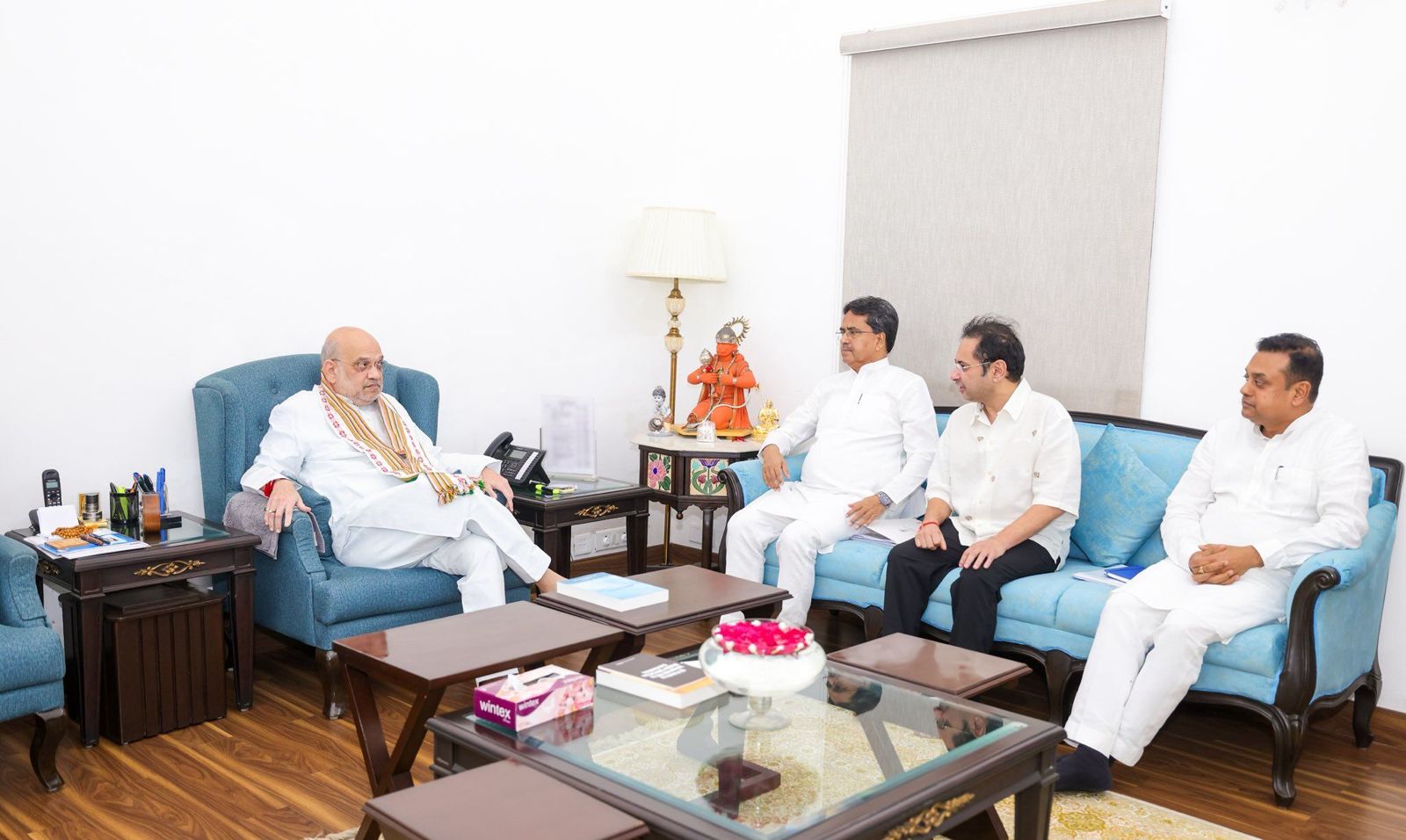
Union Home Minister Amit Shah assured stakeholders that the 2024 Tripura tripartite agreement will be implemented in two phases. Following a high-level meeting in New Delhi with Chief Minister Manik Saha and TIPRA Motha founder Pradyot Kishore Debbarma, initial land rights provisions are expected to move forward this month.
Backed by high-level official announcements, the central government has committed to executing the landmark tribal agreement in two structured phases.
Advancing regional political frameworks, Union Home Minister Amit Shah announced that the tripartite agreement concerning the indigenous population of Tripura will be systematically implemented in two phases. The assurance was delivered during a 90-minute high-level meeting held at the Home Minister's residence in New Delhi on Friday, September 4, 2026.
The consultation brought together key political figures, including Tripura Chief Minister Dr. Manik Saha, Indigenous Progressive Regional Alliance (TIPRA Motha) founder Pradyot Kishore Manikya Debbarma, and BJP North East coordinator Dr. Sambit Patra. Discussions focused heavily on safeguarding tribal identity and finalizing critical land rights under the provisions of the Sixth Schedule of the Constitution.
Evaluating Phased Timelines, Land Rights, and Political Alignment
Analyzing the structural outcomes of the New Delhi discussions reveals a coordinated push to fulfill long-standing commitments made under the March 2024 accord. According to official state updates and administrative briefings released on September 5, 2026, key parameters of the agreement include:
Staged Implementation Strategy: The pact will roll out across two distinct operational phases, with initial administrative measures addressing land rights expected to move forward within the current month.
Constitutional Safeguards: Discussions centered on operationalizing protections for the history, culture, land, and political rights of Tripura's indigenous tribal communities.
TTAADC Autonomy: Proposals include enhancing the financial autonomy and administrative powers of the Tripura Tribal Areas Autonomous District Council (TTAADC).
Electoral Context: The high-level meeting carries substantial political weight ahead of the upcoming Village Committee elections scheduled across the autonomous district council regions.
Why It Matters
The practical implications of the phased implementation affect regional governance, tribal welfare, and political stability across Northeast India. By providing definitive timelines for land rights and institutional autonomy, the central government addresses core grievances raised by indigenous stakeholders. For local communities and regional political entities, executing the accord helps bridge administrative gaps and ensures balanced socio-economic development within autonomous district boundaries.
Key Facts at a Glance
Key Leadership: Union Home Minister Amit Shah, Tripura CM Manik Saha, and TIPRA Motha founder Pradyot Kishore Debbarma.
Implementation Plan: Staged rollout across two operational phases.
Immediate Focus: Land rights provisions under the Sixth Schedule slated to move forward within September.
Original Accord Date: Signed on March 2, 2024, to resolve indigenous political and cultural rights.
FAQ Section
What did Union Home Minister Amit Shah announce regarding the Tripura tripartite agreement?
Amit Shah assured stakeholders that the 2024 tripartite pact will be implemented in two structured phases, with land rights measures expected to advance within the month.
Who attended the high-level meeting in New Delhi?
The meeting included Union Home Minister Amit Shah, Tripura Chief Minister Dr. Manik Saha, TIPRA Motha founder Pradyot Kishore Manikya Debbarma, and BJP North East coordinator Dr. Sambit Patra.
What are the primary objectives of the tripartite agreement?
Signed originally on March 2, 2024, the accord aims to find an amicable, constitutional resolution for Tripura's indigenous population concerning land rights, political representation, cultural preservation, and economic development.
How does this development impact local governance in Tripura?
The phased execution addresses long-pending demands concerning the TTAADC, granting greater administrative focus and land-related powers ahead of upcoming local elections.
Source: Ministry of Home Affairs (MHA), The Economic Times, The Assam Tribune, Tripurainfo