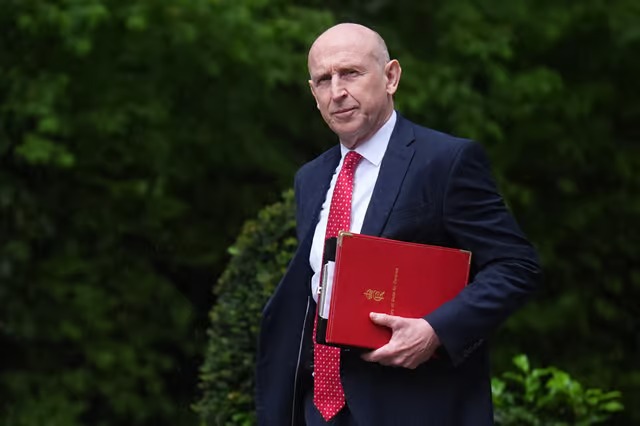
British Defence Secretary John Healey resigned on June 11, 2026, protesting insufficient military funding. Healey criticized the government's proposed Defence Investment Plan, arguing it fails to meet the nation’s security needs. The dispute over the MoD’s budget vs. Treasury fiscal limits creates a major political challenge for the Starmer administration.
LONDON — British Defence Secretary John Healey resigned from his post on Thursday, June 11, 2026, following a high-stakes disagreement with Prime Minister Keir Starmer and the Treasury regarding the future of the UK’s military budget. The departure, announced via a formal letter posted on social media, marks a significant political rift within the Labour government as it grapples with fiscal constraints and a volatile international security landscape.
A Conflict Over National Security Funding
The crux of the resignation centers on the Defence Investment Plan, a policy framework that has been subject to months of internal debate. Healey, who had been pushing for a more robust financial commitment to meet evolving global threats, stated that the settlement offered by the Treasury was insufficient.
In his resignation correspondence to the Prime Minister, Healey noted that the plan "falls well short of what is required at this dangerous time." Reports indicate that while the Ministry of Defence (MoD) had requested funding increases of up to £28 billion, the Treasury aimed to cap the additional investment at approximately £15 billion. Healey argued that current fiscal policies leave the Armed Forces underfunded, with projections suggesting defence spending would only reach 2.68% of GDP by 2030, a figure he deemed inadequate to address rising risks from regional conflicts and global military tensions.
Cabinet Tensions and Political Implications
The resignation highlights deep-seated divisions within the government’s leadership. While the administration has previously been credited with raising defence investment to 2.5% of GDP and initiating significant reforms, Healey’s departure suggests that these achievements have not satisfied the requirements for long-term strategic readiness.
The timing of the resignation is particularly sensitive, as the government faces pressure ahead of a NATO summit scheduled for early July. The inability to finalize a consensus on the Defence Investment Plan has sparked concerns among military experts and international allies regarding the UK’s long-term capability to maintain its commitments to NATO and regional security.
Official Stance and Rationale
According to official records of the resignation, Healey emphasized that he had "great regret and reluctance" in making the decision. He maintained that he could no longer support a policy framework that he believed did not provide the Armed Forces with the resources necessary to defend the country.
While acknowledging the government’s progress—including support for Ukraine, military pay rises, and infrastructure improvements for service families—Healey ultimately concluded that he had no option but to resign after failing to reach an agreement on a settlement that matched his security assessment.
Why It Matters
The resignation of a senior cabinet minister over military funding carries significant practical implications for the UK’s economic and national security policy:
Fiscal Policy: The event intensifies the debate over whether the government will need to resort to tax increases or further borrowing to meet rising departmental costs.
Military Readiness: Defense analysts suggest that the funding cap could force the government to scale back modernization projects or reduce future operational capacity.
Political Stability: The departure signals a growing challenge for Prime Minister Starmer in balancing his government's fiscal targets with the demands of the defence establishment.
Key Facts at a Glance
Resignation Date: June 11, 2026.
Primary Cause: Disagreement over the funding levels outlined in the delayed Defence Investment Plan.
Fiscal Gap: Reports suggest the MoD requested up to £28 billion, while the Treasury proposed a £15 billion cap.
Strategic Stated Goal: Healey advocated for spending targets to reach 3% of GDP by 2030 to counter growing security threats.
FAQ
Why did Defence Secretary John Healey resign?
Healey resigned due to a fundamental disagreement with the Prime Minister and the Treasury over the funding levels allocated for the UK’s military in the upcoming Defence Investment Plan.
What is the Defence Investment Plan (DIP)?
The DIP is a long-term strategy designed to modernize the UK Armed Forces and address security threats; its publication has been delayed for several months due to budgetary negotiations.
What happens next for the Ministry of Defence?
Following the resignation, the Prime Minister is expected to appoint a successor to manage the transition and finalize the government’s stance on defence spending ahead of the upcoming NATO summit.
Source: UK Ministry of Defence, Prime Minister's Office, NATO