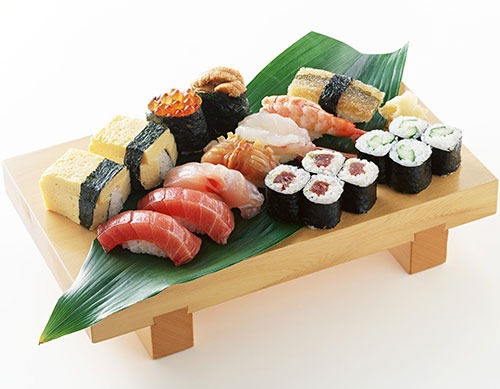
Raw and undercooked seafood dishes such as sushi, sashimi, and ceviche remain popular worldwide, yet they carry potential food safety risks including bacterial contamination and parasitic infections. According to food safety authorities and public health officials, adhering to proper freezing protocols, sourcing from certified suppliers, and observing hygiene standards are essential to minimizing these health hazards.
Understanding Food Safety Risks in Raw Seafood
The rising global popularity of Japanese sushi, sashimi, and Latin American ceviche has brought increased scrutiny to the safety standards governing raw seafood consumption. Unlike cooked fish, raw or minimally processed seafood has not undergone thermal processing sufficient to neutralize biological pathogens. Consequently, consumers face potential exposure to foodborne microorganisms if proper handling protocols are neglected.
According to public health agencies and food safety researchers, the primary hazards associated with raw marine dishes include pathogenic bacteria such as Vibrio, Salmonella, and Listeria, alongside parasitic organisms like Anisakis nematodes. While wild-caught fish often require specific freezing procedures to eliminate parasites, farmed fish managed under strict aquaculture controls face distinct environmental monitoring requirements to ensure safety prior to commercial distribution.
Regulatory Standards and Preparation Protocols
To safeguard public health, regulatory bodies worldwide enforce stringent handling, storage, and freezing guidelines for commercial seafood vendors and restaurants preparing raw dishes. According to official food safety codes, fish intended for raw consumption must be subjected to deep-freezing temperatures—typically -20 degrees Celsius for at least seven days or -35 degrees Celsius until solid—to effectively destroy parasitic worms and larvae.
For consumers, culinary establishments, and retail seafood markets, maintaining strict cold-chain integrity from the point of harvest to final preparation is critical. Health inspectors emphasize that proper sanitation, avoiding cross-contamination with cooked foods, and consuming freshly prepared dishes promptly significantly reduce the likelihood of foodborne illness. Vulnerable populations, including pregnant women, young children, the elderly, and immunocompromised individuals, are routinely advised by medical professionals to avoid raw seafood entirely.
Official Sources Section
Food safety guidelines, parasite mitigation protocols, and health advisories cited in this report are sourced from official publications issued by the U.S. Food and Drug Administration (FDA), the World Health Organization (WHO), and food safety standards provided via the Food Safety and Standards Authority of India (FSSAI).
Quote Section
"According to public health officials, while commercial freezing and strict regulatory sanitation protocols significantly reduce biological hazards in raw seafood, individuals with compromised immune systems should exercise caution and consult medical guidance before consuming uncooked dishes."
Why It Matters
Understanding the food safety parameters surrounding raw seafood helps consumers make informed dietary choices while preventing foodborne illnesses. For restaurants, suppliers, and regulatory agencies, strict adherence to freezing and hygiene standards ensures consumer protection and maintains public trust in the global seafood supply chain.
Key Facts at a Glance
Primary Dishes: Sushi, sashimi, and ceviche featuring raw or acid-cured seafood
Main Biological Risks: Bacterial pathogens (Vibrio, Salmonella) and parasites (Anisakis)
Standard Prevention Method: Deep-freezing seafood at specified sub-zero temperatures to eliminate parasites
Primary Regulatory Authorities: FDA, WHO, and national food safety administrations
FAQ Section
Are sushi, sashimi, and ceviche safe to eat?
Yes, they are generally safe when prepared according to strict food safety regulations, certified sourcing, and proper freezing protocols, though inherent raw food risks remain.
How does freezing make raw fish safe from parasites?
Deep-freezing fish at specific sub-zero temperatures (such as -20 degrees Celsius for seven days) kills parasitic worms and larvae commonly found in certain wild-caught species.
Can citrus juice in ceviche cook or sterilize raw fish?
No. While the acid in citrus juice changes the texture and opacity of the fish protein, it does not kill bacteria or parasites effectively like cooking heat or freezing.
Who should avoid eating raw seafood?
Pregnant women, young children, elderly individuals, and people with compromised immune systems are advised to avoid raw or undercooked fish to prevent severe foodborne illness.
Source: Food Safety and Standards Authority of India, U.S. Food and Drug Administration (FDA), World Health Organization (WHO)