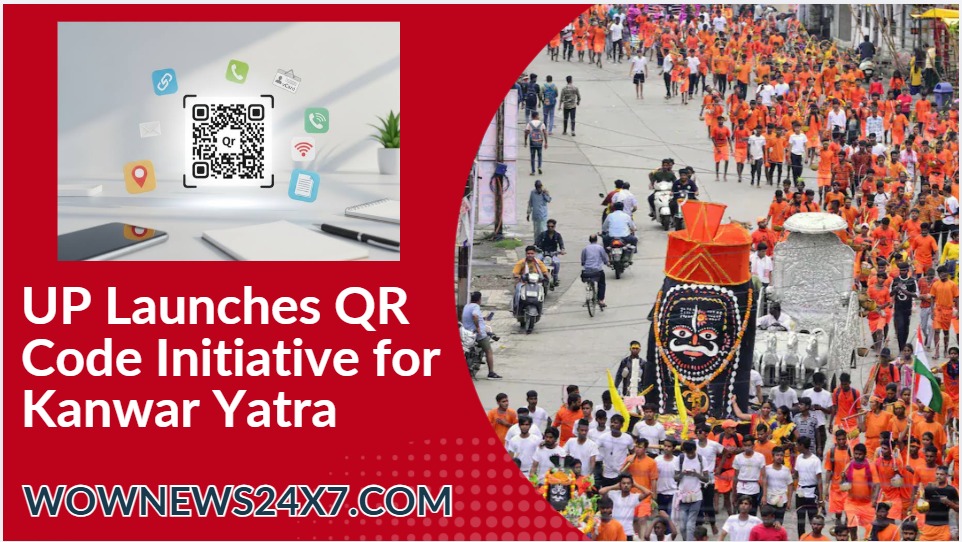
Uttar Pradesh has mandated that all eateries along the Kanwar Yatra route display QR codes linked to the Food Safety CONNECT App. This digital initiative allows pilgrims to verify the registration and ownership details of food vendors, aiming to enhance food hygiene and consumer transparency throughout the 2026 pilgrimage.
New transparency initiative requires food vendors along the pilgrimage path to display digital verification for improved consumer safety and hygiene compliance.
GHAZIABAD — As the annual Kanwar Yatra pilgrimage begins, the Uttar Pradesh government has implemented a mandatory requirement for all eateries located along the designated Yatra routes to display QR code stickers. This digital mandate, which links directly to the Food Safety CONNECT App, aims to enhance transparency, hygiene, and accountability for the estimated four crore pilgrims expected to traverse the state during the holy month of Shravan.
The directive requires food establishments—ranging from roadside stalls to high-end restaurants—to affix these QR codes in a prominent location. When scanned by pilgrims or authorities, the codes provide verified information including the food business operator’s registration or license number, the owner’s name, the establishment's address, and the current menu.
Strengthening Food Safety and Accountability
According to state officials, the initiative is primarily a reform focused on food safety and consumer rights. By creating a direct digital link between the vendor and the Food Safety and Drug Administration (FSDA), the government intends to facilitate immediate feedback and grievance redressal.
Assistant Commissioner of Food Safety Suresh Mishra stated that the system is designed to create a two-way communication channel. "Pilgrims and other customers will be able to submit feedback on the quality and safety of food served at these establishments," he noted, adding that this allows authorities to respond more rapidly to potential health concerns. In districts like Ghaziabad, specialized food safety teams have been trained to monitor compliance and act as first responders for any food-related complaints.
Context and Regulatory Background
This year’s digital mandate follows broader efforts by the Uttar Pradesh administration to regulate the Kanwar Yatra route. The government has prioritized maintaining "sattvik" (pure vegetarian) standards for food sold during the pilgrimage period.
While the use of QR codes for regulatory compliance has seen administrative support, it has drawn attention due to debates regarding the transparency of vendor information. Previous iterations of similar directives faced legal challenges; however, authorities maintain that the current system is a neutral tool for ensuring that every kitchen along the pilgrimage route is traceable and adheres to official health standards. The administration has clarified that the primary objective is to empower the consumer, ensuring they have full information about the establishments they patronize.
Impact on Pilgrims and Businesses
For the millions of Kanwariyas, the QR code system serves as a tool to verify the legitimacy of food providers. The government has also implemented other logistical measures, including strict caps on the size of music-playing vehicles (DJ trucks) to prevent traffic congestion and accidents, and the deployment of extensive drone surveillance to monitor route safety.
For local businesses, the mandate requires strict adherence to licensing and display norms. Failure to comply with these food safety regulations could result in inspection and potential administrative action, particularly as officials strive to ensure a safe and organized experience for the large volume of travelers.
Why It Matters
The implementation of QR code-based verification represents a shift toward digital-first governance during large-scale public events. By standardizing the display of licensing and ownership details, the government aims to reduce food-borne health risks and ensure that pilgrims are served at establishments that are registered and compliant with state health mandates.
Key Facts at a Glance
Digital Requirement: All eateries on the Kanwar Yatra route must display QR codes linked to the Food Safety CONNECT App.
Verified Data: Scanning the code reveals the owner’s name, license/registration number, address, and menu details.
Safety Focus: The mandate is part of an intensified state-wide food safety and cleanliness drive for the 2026 Yatra.
Broader Regulations: In addition to QR codes, authorities have set size limits for DJ vehicles and increased drone surveillance to manage crowds.
FAQ
1. Who is required to display the QR code?
All food establishments, including restaurants, dhabas, and roadside food stalls, along the designated Kanwar Yatra route are required to display the official QR code.
2. What information is revealed when the QR code is scanned?
Scanning the code provides the food business operator's registration or license number, the establishment's name, owner’s details, address, and the available menu.
3. How does this help pilgrims?
Pilgrims can use the app to verify if an establishment is licensed and can also submit real-time feedback regarding food quality or safety issues to the authorities.
4. When does the Kanwar Yatra conclude?
The 2026 Kanwar Yatra is scheduled to conclude on Sawan Shivratri, Tuesday, August 11, 2026.
Official Sources