




Loading market data...
ADVERTISEMENT

Latest Top News

Upcoming IPO: What PhonePe’s ESOP Numbers Mean For Its Public Offer
PhonePe’s upcoming IPO in 2026 is drawing attention not only for its scale but also for its massive ESOP (Employee Stock Ownership Plan) costs. With ESOP expenses accounting for nearly half of its revenue, analysts are weighing the impact on profitability, valuation, and investor sentiment.
Stay Ahead – Explore Now! Finkurve Financial Services Approves ₹1 Billion NCD Issuance
ADVERTISEMENT

Latest Updates
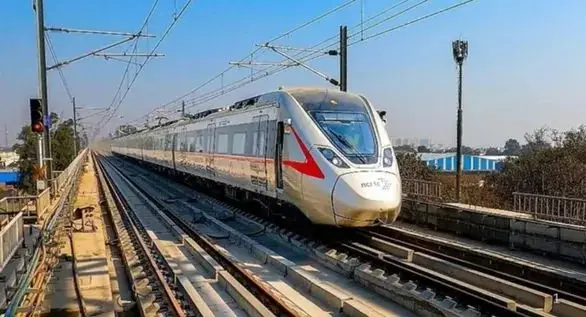
Track to Uttarakhand: Namo Bharat Expansion Nears...
15 Jun 2026, 10:18 PM
From Silt to Sustainability: BMC Starts Rejuvenati...
15 Jun 2026, 02:01 PM
Jharkhand Secures GI Tags for Bhagaiya Silk and Tr...
15 Jun 2026, 02:24 PM
Reel Deal: Mumbai International Film Festival 2026...
15 Jun 2026, 10:07 PM
Nepal Tea Trade: Factories Shut Down Over India’s...
15 Jun 2026, 10:03 PMADVERTISEMENT

Top Stories
Track to Uttarakhand: Namo Bharat Expansion Nears...
15 Jun 2026, 10:18 PM
From Silt to Sustainability: BMC Starts Rejuvenati...
15 Jun 2026, 02:01 PM
Jharkhand Secures GI Tags for Bhagaiya Silk and Tr...
15 Jun 2026, 02:24 PM