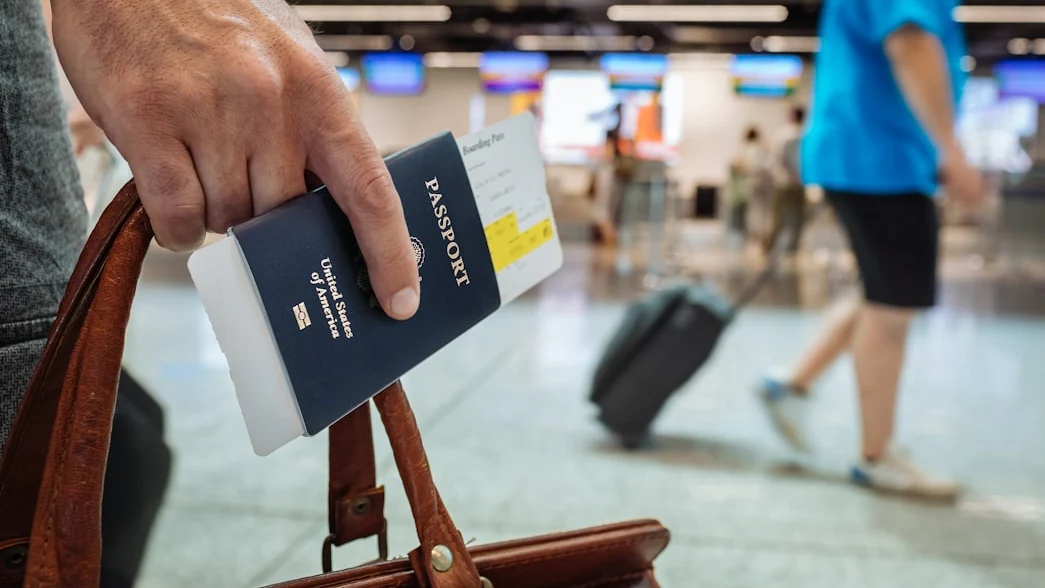
The U.S. State Department and USCIS have launched a pilot program allowing prospective immigrants to post bonds up to $250,000 to overcome "public charge" visa denials. Initially deployed in the Dominican Republic, the refundable bond mechanism allows applicants to demonstrate financial self-sufficiency before securing permanent entry into the United States.
WASHINGTON — The U.S. Department of State, in coordination with the Department of Homeland Security’s U.S. Citizenship and Immigration Services (USCIS), has launched a pilot program allowing prospective immigrants to post financial bonds of up to $250,000 to overcome visa denials. The initiative specifically targets immigrant visa applicants who were initially refused entry on "public charge" grounds under the Immigration and Nationality Act, permitting them to demonstrate financial self-sufficiency through substantial monetary guarantees. Officials confirmed that the pilot is kicking off initially for applicants processing through the U.S. Embassy in Santo Domingo, Dominican Republic, with the potential to expand to dozens of other nations.
The development represents a major shift in federal immigration enforcement, establishing high-dollar financial thresholds as a mechanisms to resolve inadmissibility determinations while generating clear compliance obligations for foreign nationals seeking permanent U.S. residency.
High-Value Bonds Target Public Charge Inadmissibility
Under U.S. immigration law, consular officers and immigration officials can deny visa applications if an individual is deemed likely to become a "public charge"—meaning they may become primarily dependent on government assistance programs for subsistence. The newly established pilot program creates a formal administrative pathway for prospective immigrants to overcome those specific denials.
By depositing refundable bonds ranging up to $250,000 with the U.S. government via official payment channels like Pay.gov, applicants tangibly demonstrate access to private capital. The bond funds remain held in escrow by federal authorities and are returned to the payer—known as the obligor—only if the visa holder maintains legal status, complies with all immigration requirements, and avoids accessing restricted public benefits.
Scope, Expansion, and Context Across Border Policies
Department officials selected the Dominican Republic for the initial rollout due to the significant volume and operational scale of immigrant visa processing at the U.S. Embassy in Santo Domingo. However, federal authorities noted that the framework could be expanded to include applicants from approximately 50 additional countries that are already subject to heightened nonimmigrant visitor visa bond requirements.
This high-value immigrant bond program operates separately from the Department of State's nonimmigrant visitor (B-1/B-2) visa bond rules, which require select temporary tourists and business travelers from designated nations to post bonds between $10,000 and $20,000 to ensure timely departure.
Official Sources Section
Official policy information and executive statements regarding the immigrant visa bond pilot program were published through formal announcements by the [suspicious link removed] and operational directives managed by U.S. Citizenship and Immigration Services (USCIS).
Regulatory frameworks governing bond processing, payment platforms, and form compliance were communicated in joint guidance issued by U.S. Customs and Border Protection (CBP) and published on the U.S. Department of the Treasury Pay.gov Portal.
Official Statements and Executive Commentary
Federal spokespersons outlined the core policy rationale driving the financial bond requirement during official press briefings.
"Those who seek to obtain that privilege must be capable of demonstrating that they will be a benefit — rather than a burden — to our nation," stated U.S. Department of State spokesperson Tommy Pigott in an official release.
Officials further clarified that prospective immigrants pay high-value bonds "as a way to tangibly demonstrate they have access to the funds needed to support themselves," ensuring public funds are protected while offering visa seekers an objective remedy to overcome administrative refusals.
Why It Matters: Financial and Practical Implications
The pilot program introduces immediate practical considerations for immigrant families, legal sponsors, and global business organizations:
Immigrant Applicants and Families: Prospective residents initially refused under public charge provisions gain a legal mechanism to appeal or overcome denials, provided they or their sponsors can secure substantial liquidity.
Financial Sponsors and Guarantors: Third-party sponsors, employers, or family members posting bonds assume direct risk; funds are forfeited if the visa holder breaches bond terms or draws unapproved public assistance.
Legal and Immigration Advisors: Attorneys must guide clients through complex escrow requirements on Pay.gov and ensure compliance with designated entry protocols to protect posted capital.
Key Facts at a Glance
Maximum Bond Threshold: Immigrant visa applicants can be required to post up to $250,000 in bonds to overcome public charge denials.
Initial Target Location: Launched first at the U.S. Embassy in Santo Domingo, Dominican Republic, with potential expansion to 50 additional nations.
Managing Agencies: Jointly administered by the State Department, USCIS, CBP, and the U.S. Department of the Treasury.
Refund Eligibility: Bonds are fully refundable upon verified compliance with legal status and departure or citizenship conditions.
Frequently Asked Questions (FAQ)
What is the primary purpose of the $250,000 immigrant visa bond pilot program?
The pilot allows immigrant visa applicants initially denied under "public charge" rules to post financial bonds to prove they have sufficient financial resources to support themselves without relying on government assistance.
Which applicants are currently subject to this visa bond program?
The program is initially kicking off with immigrant visa applicants processing through the U.S. Embassy in Santo Domingo, Dominican Republic, but may expand to additional countries subject to high visa restrictions.
How are the visa bonds paid and refunded?
Bonds must be paid in U.S. dollars via the official U.S. Department of the Treasury Pay.gov Portal using DHS Form I-352. Funds are returned to the payer once the visa holder fully satisfies all legal immigration conditions.
Source: Official press statements and regulatory bulletins published by the [suspicious link removed], operational directives from U.S. Citizenship and Immigration Services (USCIS), border compliance notices from U.S. Customs and Border Protection (CBP), and electronic payment guidelines from the U.S. Department of the Treasury.