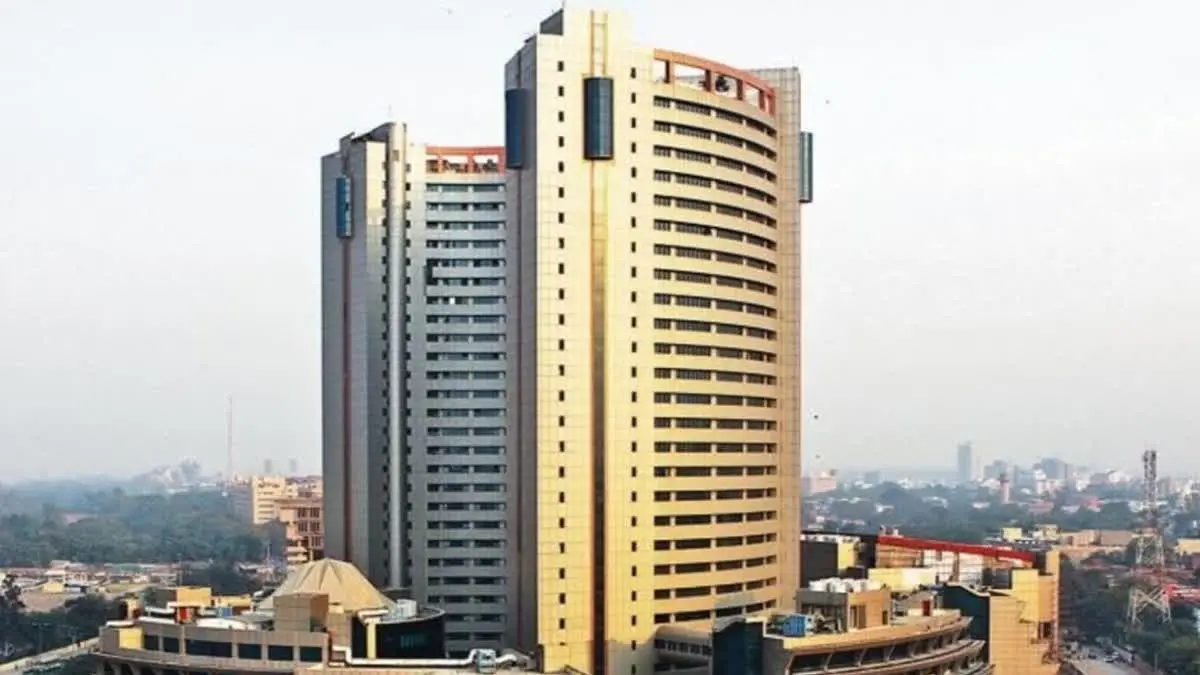
VA Tech Wabag's consortium has won a $30 million to $75 million contract to build Phase 3 of the Ajman Sewage Biorefinery Plant in the UAE. The 60 MLD facility features advanced biological treatment and an integrated biogas power generation loop to recycle wastewater sustainably while reducing reliance on the local electrical grid.
CHENNAI, India — Indian pure-play water technology multinational VA Tech Wabag Limited announced on Tuesday that its consortium has secured a large design and build contract for the Ajman Sewage Biorefinery Plant (Phase 3) in the United Arab Emirates. The infrastructure project, valued between $30 million and $75 million (approximately 2.5 billion to 6.2 billion Indian Rupees), establishes the company's operational footprint in the UAE amid accelerating Middle Eastern investments in sustainable wastewater management.
Expanding the GCC Water Ecosystem
The contract was awarded by the Ajman Sewerage Private Company Limited to a consortium led by VA Tech Wabag. According to a regulatory filing submitted to the National Stock Exchange of India, the engineering group will spearhead the execution of the project over a strict 24-month timeline.
Aviation, energy, and municipal utilities across the Gulf Cooperation Council (GCC) region have drastically heightened parameters for resource recovery, driven by regional net-zero targets and severe freshwater scarcity. Prior to this breakthrough, VA Tech Wabag maintained a presence in other Middle Eastern markets, but the Ajman development represents its first major industrial entry into the UAE water ecosystem.
Technical Scope and Sustainable Power Generation
The Phase 3 expansion centers on constructing a 60 million liters per day (MLD) Sewage Treatment Plant. The technical blueprint leverages an Activated Sludge Process (ASP) paired with advanced biological and mechanical treatment tiers.
The design mandates comprehensive upstream and downstream infrastructure, including:
Inlet works and primary-to-secondary purification systems.
Tertiary treatment units utilizing automated disc filtration systems to meet strict effluent quality standards.
Odor control installations to mitigate local environmental impacts.
Crucially, the facility functions as a biorefinery rather than a traditional disposal site. The contract includes the installation of heavy sludge management facilities equipped with anaerobic digesters, gas holders, scrubbers, and internal power generation units. By capturing and converting biogas, the plant will generate a portion of its own operational electricity, lowering grid dependence and reducing the facility's overall carbon footprint.
Market Impact and Financial Outlook
For industrial consumers, agricultural municipal sectors, and local businesses in Ajman, the expanded facility ensures a stable supply of high-grade recycled water, easing the demand on energy-intensive desalinated water.
For investors, the contract strengthens VA Tech Wabag's multi-billion rupee international order book, which exceeded 172 billion Indian Rupees at the close of the last fiscal quarter. The deal signals the company's capacity to win capital-intensive infrastructure bidding processes against European and Asian competitors in the dynamic GCC utility market.
Official Sources Section
Details regarding the project timeline, capacity constraints, and technological frameworks were verified via corporate disclosures published by VA Tech Wabag Limited and official regulatory statements distributed by the National Stock Exchange of India on June 9, 2026.
Quote Section
Commenting on the development in an official release to the market, Rohan Mittal, Head of Strategy and Business Growth for the GCC region at VA Tech Wabag, stated:
"This project marks our strategic entry into the UAE market and represents an important milestone in our Middle East growth journey, a region we have identified as a key growth engine for the future. Beyond expanding our geographic footprint, this project reinforces our ability to compete and succeed in one of the world's most dynamic and strategically important water infrastructure markets."
Why It Matters
The transition toward circular utility frameworks in the Middle East has changed how sewage projects are structured. By incorporating green power generation and strict resource recovery into municipal sewage treatment, the Ajman biorefinery sets a precedent for regional infrastructure. It provides municipal districts with a blueprint to manage rising urban populations while minimizing localized environmental liabilities.
Key Facts at a Glance
Project Name: Ajman Sewage Biorefinery Plant – Phase 3 (UAE).
Contract Value: Disclosed within the $30 million to $75 million range.
Plant Capacity: 60 million liters per day (MLD).
Timeline: 24-month execution window under design and build terms.
Key Feature: Green power generation utilizing integrated sludge biogas digesters.
FAQ Section
What is an Activated Sludge Process (ASP)?
An Activated Sludge Process is a biological method of wastewater treatment that utilizes a mixture of bacteria and other microorganisms to break down organic matter in sewage, accelerating natural decomposition under highly aerated conditions.
What makes a wastewater facility a "biorefinery"?
Unlike standard treatment facilities that treat sewage solely for disposal, a biorefinery actively extracts valuable resources from waste streams. In this case, the facility processes leftover sludge to generate biogas, which is then converted into electricity to partially power the plant.
Who is financing and overseeing the Ajman Phase 3 plant?
The project is commissioned by the Ajman Sewerage Private Company Limited, which manages the wastewater infrastructure network for the Emirate of Ajman in the UAE.
Source: VA Tech Wabag Limited Corporate Disclosures, National Stock Exchange of India (NSE) Filing Archives.