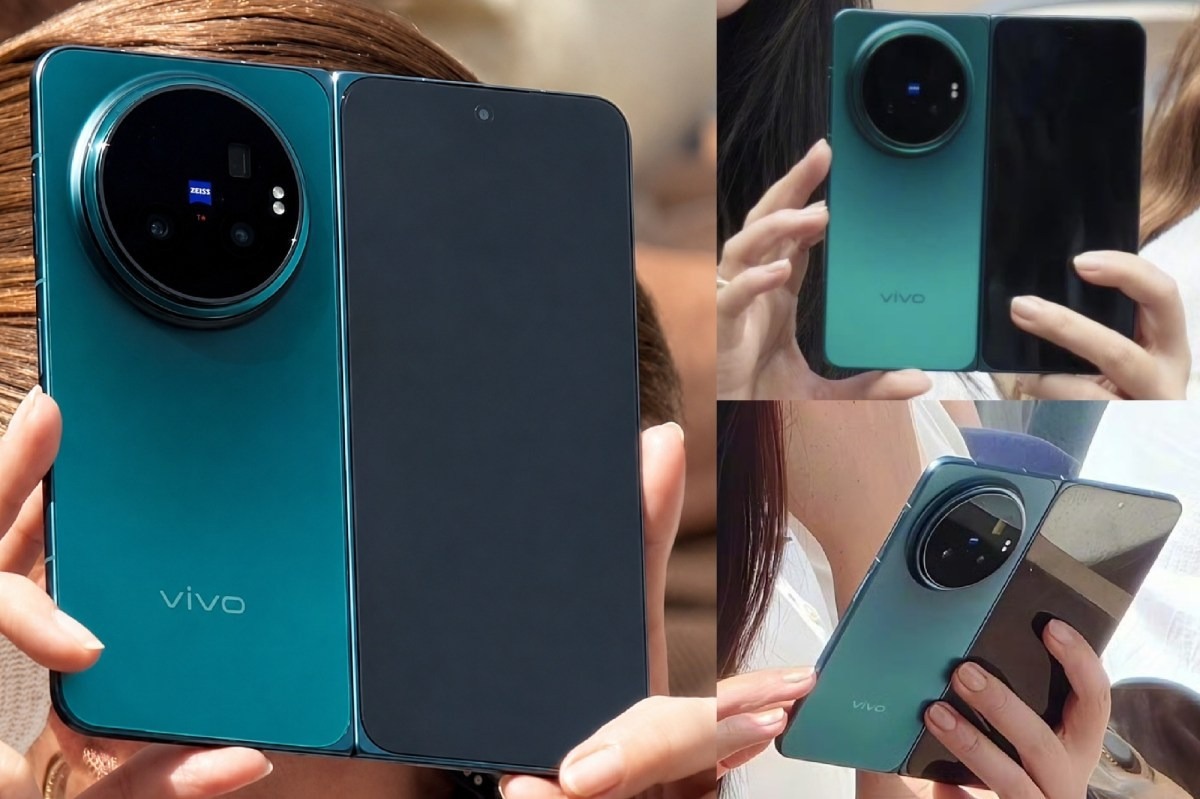
Supply chain disclosures indicate that Vivo’s upcoming flagship foldable smartphone, the Vivo X Fold 6, will feature MediaTek’s next-generation Dimensity 9500 chipset. Built on an advanced 3-nanometer architecture, the premium platform signals a strategic shift from Qualcomm silicon to optimize on-device AI performance and device thermal efficiency.
In a major technological shift within the premium smartphone industry today, June 12, 2026, supply chain disclosures reveal that consumer technology brand Vivo is planning to power its upcoming flagship smartphone, the Vivo X Fold 6, with MediaTek’s unreleased top-tier mobile platform, the Dimensity 9500. This strategic component choice marks a notable departure from the brand's long-standing reliance on Qualcomm’s Snapdragon platforms for its top-tier folding devices.
The engineering pivot, tracked via component supplier registries and semiconductor factory allocations, highlights how MediaTek is strengthening its competitive foothold in the premium foldable hardware segment, which has historically been dominated by rival processors.
Supply Chain Realignment Redefines Flagship Performance
According to internal factory data emerging from regional electronics manufacturing hubs, the Vivo X Fold 6 is currently being developed around the structural power and thermal specifications of the MediaTek Dimensity 9500. This upcoming system-on-chip (SoC) utilizes an advanced 3-nanometer foundry process managed by the Taiwan Semiconductor Manufacturing Company (TSMC), optimizing both energy efficiency and heavy multi-tasking workloads.
Industry analysts at Counterpoint Research point out that integrating the Dimensity 9500 into a premium foldable device like the Vivo X Fold 6 highlights a growing industry trust in MediaTek's ultra-premium silicon capabilities. The device is expected to balance the high power needs of its large internal display panel without causing thermal throttling or shortening battery life.
Technical Specifications and Structural Engineering
The Vivo X Fold 6 is engineered to maximize the specific AI core layout and graphics processing capabilities built into the Dimensity 9500 architecture. Preliminary supply chain tracking reports suggest the following configuration profile for the upcoming product cycle:
Processor Core Infrastructure: Full all-big-core CPU architecture designed to process massive computational workloads simultaneously.
Thermal Mitigation: Customized extra-thin vapor chamber cooling loops engineered to disperse heat across both halves of the folding frame.
Display Controller Integration: Advanced display logic built directly into the Dimensity silicon to maintain variable refresh rates up to 120Hz across the flexible internal screen.
Furthermore, compliance documents indicate that Vivo's device engineers are prioritizing an ultra-lightweight carbon fiber hinge structure. This material choice aims to keep the total thickness of the handset under 9.5 millimeters when folded closed, putting it in direct competition with contemporary thin-profile book-style foldables.
Official Sources Section
While the internal product timeline remains confidential, initial registration codes and preliminary equipment testing protocols have appeared within database environments overseen by the Ministry of Industry and Information Technology (MIIT) of China. Performance benchmarks have also been documented on third-party verification platforms, confirming ongoing field testing for the new hardware configuration.
Quote Section
"According to officials familiar with regional supply chain logistics, the adoption of the Dimensity platform allows mobile manufacturers to better manage production costs while achieving high performance scores. This strategy provides more flexibility when setting final retail prices for foldables."
Why It Matters
For mobile technology consumers and corporate enterprise users, the integration of a Dimensity 9500 chipset inside the Vivo X Fold 6 means a significant boost in day-to-day productivity. The chip's upgraded onboard artificial intelligence processing units (NPUs) can manage complex on-device machine learning tasks—like real-time voice translation and complex document indexing—directly on the phone's large screen layout without needing a constant cloud connection.
Key Facts at a Glance
Silicon Component Pivot: The upcoming Vivo X Fold 6 will switch to the MediaTek Dimensity 9500, moving away from previous Qualcomm configurations.
Advanced Manufacturing: The processor leverages TSMC's 3-nanometer nodes, ensuring low power draw and reduced heat output.
Form Factor Ambitions: Component designs point toward an ultra-slender chassis profile measuring less than 9.5mm thick.
Market Release Path: Regulatory test entries suggest an official release schedule targeted for late 2026 or early 2027.
Frequently Asked Questions
Why is Vivo choosing the Dimensity 9500 instead of a Snapdragon processor?
The shift to the Dimensity 9500 allows Vivo to maximize high-end performance and on-device AI computing capabilities, while diversifying its component supply chain to mitigate manufacturing bottlenecks.
Will the change in processor make the Vivo X Fold 6 run hotter?
No, the Dimensity 9500 is manufactured using a highly efficient 3-nanometer process node, which is specifically optimized to lower thermal emissions inside tight smartphone frames.
When is the Vivo X Fold 6 expected to launch globally?
While Vivo has not yet announced an official launch date, supply chain tracking and regulatory testing trends point toward a commercial rollout window late in the current product cycle.
Source: Component allocation logs from MediaTek Inc., manufacturing equipment manifests tracked via TSMC, and mobile hardware registration databases managed by the Ministry of Industry and Information Technology (MIIT).