Electric truck and bus manufacturers in India are seeking an extended exemption from domestic localization norms under the PM E-DRIVE scheme, citing severe shortages of rare earth permanent magnets. Automakers warn that without continued import relief beyond current deadlines, commercial electric vehicle production faces severe operational disruptions.
NEW DELHI — Electric truck and electric bus manufacturers in India are preparing to formally request an additional extension of localization deadlines under the Phased Manufacturing Programme (PMP) of the ₹10,900-crore PM E-DRIVE scheme. According to industry executives and official Ministry of Heavy Industries (MHI) notifications, commercial vehicle makers face persistent domestic non-availability and global supply bottlenecks for rare earth permanent magnets—a critical component used in high-torque traction motors. Without extended relief beyond current mandates, manufacturers warn that vehicle assembly lines face significant slowdowns, threatening national urban fleet electrification targets.
Supply Chain Constraints and the Magnet Supply Gap
Heavy commercial electric vehicles—such as N2/N3 category e-trucks and M2/M3 category e-buses—rely primarily on Permanent Magnet Synchronous Motors (PMSM). These drivetrains utilize neodymium-iron-boron (NdFeB) rare earth magnets, which offer high power density and efficiency essential for heavy payload transport.
China currently controls over 90% of global rare earth processing and permanent magnet production. Following export restrictions and global trade friction, domestic Indian original equipment manufacturers (OEMs) have struggled to source raw magnets locally or build indigenous motor sub-assemblies within existing policy timelines.
Regulatory Framework and PM E-DRIVE Phased Manufacturing Norms
Under the government’s flagship PM E-DRIVE initiative, subsidy disbursements are directly linked to compliance with Phased Manufacturing Programme rules. Under these regulations, vehicle manufacturers must progressively localize critical components, including traction motor magnet fitment, stator and rotor assemblies, enclosures, and integrated power electronics.
While the Ministry of Heavy Industries previously granted a temporary breather extending import permissions for traction motors through August 31, 2026 (enforcing local mandates from September 1, 2026), automobile industry bodies—including the Society of Indian Automobile Manufacturers (SIAM)—are seeking a further pushback to March 2027. Manufacturers state that domestic rare earth processing infrastructure requires an additional 12 to 24 months to reach commercial scale.
Strategic Implications for Fleets, Investors, and Supply Chains
The requested exemption carries significant financial and operational stakes across India's transport ecosystem:
For Fleet Operators and Logistics Firms: Subsidy eligibility under PM E-DRIVE provides upfront price support of up to ₹9,60,000 per electric truck. Any disruption or loss of subsidy eligibility would elevate fleet acquisition costs and weaken total cost of ownership (TCO) economics.
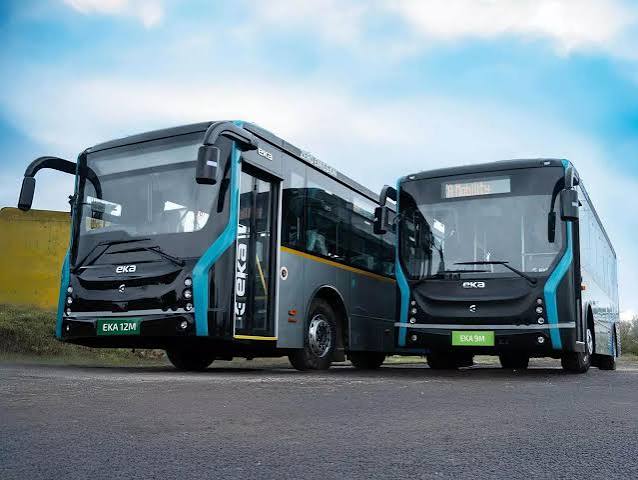
For Domestic EV Manufacturers: Extended timelines allow companies like Tata Motors, Ashok Leyland, Eka Mobility, and Olectra Greentech to maintain delivery schedules for major municipal e-bus tenders without incurring regulatory penalties.
For Government Policy and Clean Energy Infrastructure: To reduce long-term foreign dependency, the Union Cabinet approved a ₹7,280-crore scheme to build domestic sintered rare earth permanent magnet (REPM) manufacturing capacity. However, these facilities require a two-year gestation period before full-scale commercial output begins.
Official Sources Section
According to official government announcements, industry statements, and regulatory notices:
Policy updates and Phased Manufacturing Programme notifications from the Ministry of Heavy Industries.
Automotive manufacturing and policy representation updates from the Society of Indian Automobile Manufacturers.
Clean energy and EV subsidy guidelines published on the PM E-DRIVE Portal.
Quote Section
According to official communications and industry representations:
"According to officials, the Ministry of Heavy Industries is reviewing industry requests regarding component supply constraints, balancing the need for rapid domestic supply chain localization against the immediate operational requirements of electric bus and truck manufacturers."
Why It Matters
Rare earth magnets are the critical operational bottleneck in heavy electric vehicle manufacturing. Because India currently lacks large-scale domestic rare earth processing plants, rigid localization deadlines risk halting commercial EV production and increasing costs for public transport authorities and logistics fleets. Extending import permissions provides necessary transition time while the nation builds indigenous magnet manufacturing capacity.
Key Facts at a Glance
Industry Request: Electric truck and bus makers are seeking extended import relief for rare earth traction motors under the PM E-DRIVE scheme.
Current Deadline: The Ministry of Heavy Industries previously permitted imported traction motor assemblies until August 31, 2026, with mandatory localization starting September 1, 2026.
Core Vulnerability: Heavy electric commercial vehicles require 3 to 5 kilograms of neodymium-iron-boron (NdFeB) magnets per motor, a supply chain currently dominated by China.
Long-Term Strategy: The government has launched a ₹7,280-crore scheme to establish domestic sintered rare earth permanent magnet manufacturing facilities over a seven-year period.
Frequently Asked Questions (FAQ)
Why are electric bus and truck makers asking for localization exemptions?
Commercial EV manufacturers face a global shortage of rare earth permanent magnets and lack sufficient domestic processing facilities to meet mandatory local manufacturing rules without disrupting production schedules.
What is the PM E-DRIVE scheme?
The PM E-DRIVE scheme is a ₹10,900-crore government initiative designed to accelerate electric vehicle adoption across India by providing demand incentives for e-buses, e-trucks, and electric two- and three-wheelers linked to local manufacturing rules.
Which rare earth materials are used in electric commercial vehicles?
Electric buses and trucks primarily use neodymium-iron-boron (NdFeB) magnets in permanent magnet synchronous motors to deliver high torque and energy efficiency.
What is the current deadline for localizing traction motor manufacturing?
Under the latest Ministry of Heavy Industries notification, manufacturers are permitted to import traction motor assemblies until August 31, 2026, after which localized manufacturing rules take effect unless further extensions are granted.
Source: Ministry of Heavy Industries, Society of Indian Automobile Manufacturers, PM E-DRIVE Portal