Commonwealth Games Federation leadership has defended the restructured, ten-sport format selected for the Glasgow 2026 Games. CGF officials stated that the multi-sport event remains a crucial launchpad where global sports champions are made, emphasizing that a lean, sustainable framework protects the event's long-term financial viability.
GLASGOW — The Commonwealth Games Federation (CGF) has strongly defended the downsized event framework for the upcoming 2026 multi-sport event in Glasgow, asserting that the competition remains a vital stage where champions are made despite significant structural reductions.
Speaking at an official CGF briefing, leadership addressed concerns surrounding the streamlined 10-sport roster approved for the Scottish host city. The restructuring was enacted after the Australian state of Victoria withdrew as host in July 2023 due to escalating operational costs, prompting the CGF to create a flexible, budget-conscious hosting model.
Despite dropping several traditional sports including hockey, badminton, table tennis, and wrestling CGF officials reaffirmed that the primary athletic purpose of the event remains intact. The federation emphasized that the Commonwealth Games continues to offer rising elite athletes an indispensable international pathway to Olympic success and global recognition.
Operational Restructuring and Economic Blueprint
The Glasgow 2026 Games will feature approximately 3,000 athletes from 74 member nations and territories, down from over 5,000 competitors who participated in Birmingham in 2022. The 10 core disciplines selected for the program are Athletics (Track and Field), Swimming and Para-Swimming, Artistic Gymnastics, Track Cycling, Netball, Weightlifting, 3x3 Basketball, Judo, Lawn Bowls, and Boxing.
By strictly utilizing existing venue infrastructure within a compact eight-mile radius in Glasgow including the Emirates Arena, Tollcross International Swimming Centre, and Scottish Event Campus (SEC) organizers aim to hold total operational expenditures below £114 million. The budget is heavily subsidized by the £100 million compensation settlement received from the Victorian government following its host contract cancellation.
Federation leadership indicated that this decentralized and venue-ready approach represents the future blueprint for multi-sport competitions seeking to avoid public debt burdens.
Athletic Pathways and Stakeholder Reactions
While international governing bodies for excluded sports expressed disappointment over their omission, the CGF reiterated that the condensed program was necessary to ensure the survival of the movement.
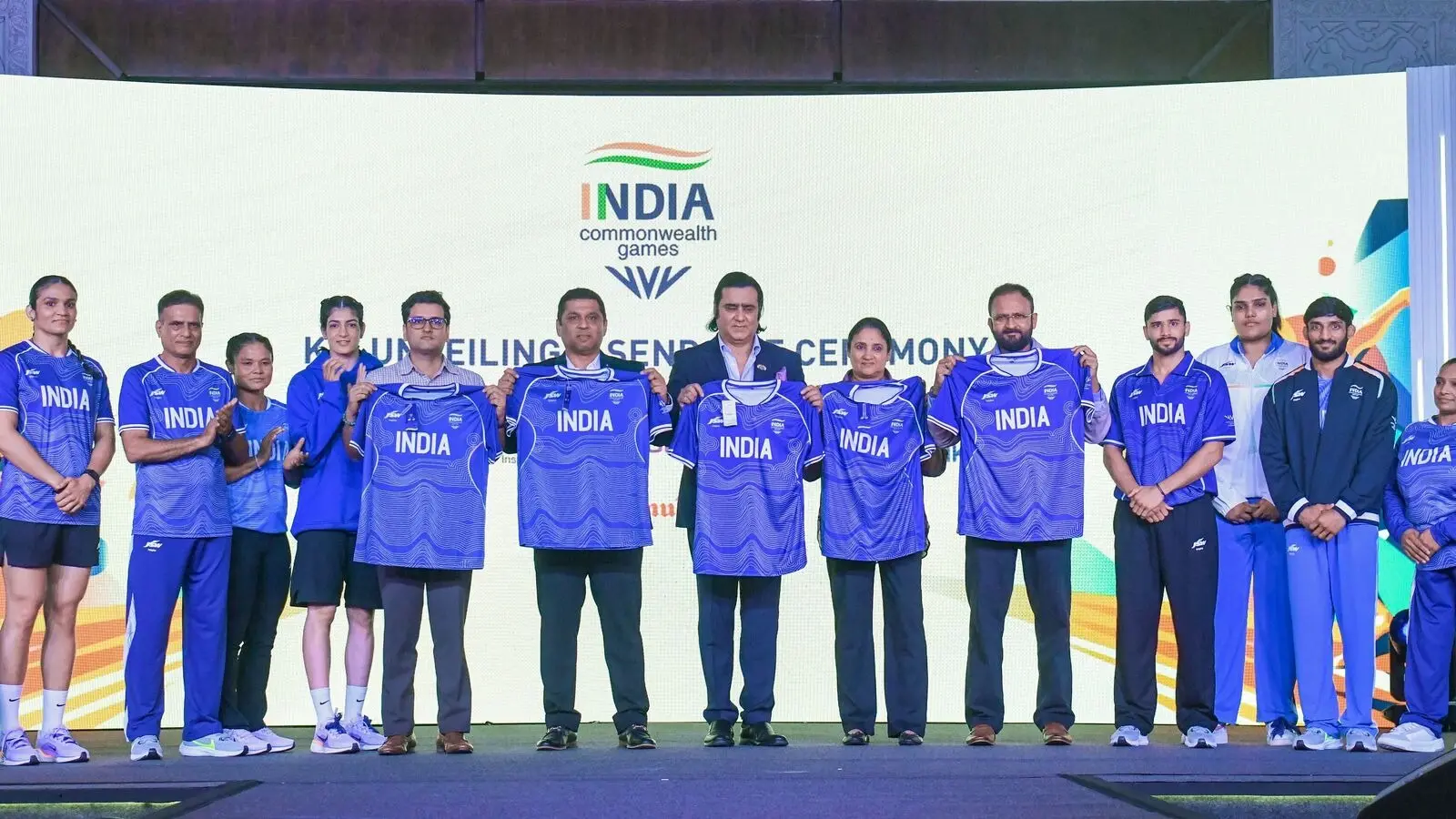
For young and emerging competitors, the Commonwealth Games remains one of the few high-profile international stages offering integrated Para-sport events alongside able-bodied competitions on a unified platform. National Olympic Committees and Commonwealth Games Associations (CGAs) have adjusted their athlete selection frameworks to align with the revised medal event distribution.
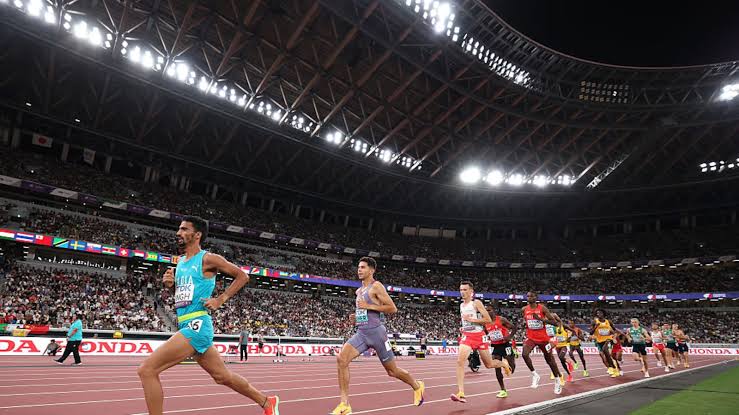
Athletics federations and sports analysts noted that the high level of competition across core events like track and field, swimming, and cycling guarantees that world-record performances and top-tier competition will define the 2026 edition.
Official Sources Section
Official statements regarding event governance, venue selection, and sport scheduling are managed by statutory sports authorities and organizing committees:
Quote Section
"According to officials from the Commonwealth Games Federation, the streamlined model developed for Glasgow demonstrates how international multi-sport events can remain fiscally responsible while delivering elite competition. Organizers stated that the platform continues to be a proven proving ground where champions are made, providing vital high-pressure experience for athletes competing on the international stage."
Why It Matters
For Elite Athletes: Maintains an essential international competition stepping stone between regional meets and the Olympic Games, preserving high-level exposure for competing sports.
For Host Cities: Establishes a replicable, low-risk operational blueprint that eliminates the requirement for taxpayers to fund specialized venue construction.
For National Sports Governing Bodies: Requires strategic reallocations of training budgets toward the 10 core sports included on the 2026 schedule.
For International Sports Business: Signals a permanent shift across multi-sport event management toward cost containment, venue reuse, and reduced environmental footprints.
Key Facts at a Glance
Event Location & Dates: Glasgow, Scotland; scheduled for July 23 to August 2, 2026.
Sports Roster: Reduced to 10 core sports operating across four existing venue clusters.
Athlete Scale: Approximately 3,000 athletes from 74 nations and territories.
Funding Model: Private/CGF-backed budget utilizing Victorian compensation funds with minimal public taxpayer draw.
Key Exclusions: Team sports like field hockey, along with badminton, table tennis, squash, and cricket, were omitted from the 2026 program.
Frequently Asked Questions (FAQ)
Why was the sport roster reduced for the 2026 Commonwealth Games?
The sport roster was downsized to 10 core sports to ensure the event could be organized on a shortened timeline and modest budget following Victoria's withdrawal as host in 2023.
Which sports are included in the Glasgow 2026 program?
The 10 approved sports are Athletics, Swimming and Para-Swimming, Track Cycling, Artistic Gymnastics, Netball, Weightlifting, 3x3 Basketball, Judo, Lawn Bowls, and Boxing.
How does the CGF justify calling the event a place 'where champions are made'?
The CGF emphasizes that the core sports retained feature world-class athletes, intense global competition, and integrated Para-sports, maintaining the event's historic role as a stepping stone to Olympic and World Championship success.
Will public tax dollars fund the 2026 event in Glasgow?
No major public infrastructure funding is required. The operational cost of under £114 million is largely covered by CGF compensation funds and commercial revenues, leveraging Glasgow's existing 2014 venue footprint.
Source: Official briefings from the Commonwealth Games Federation (CGF), Commonwealth Games Scotland, and official announcements from the Scottish Government.