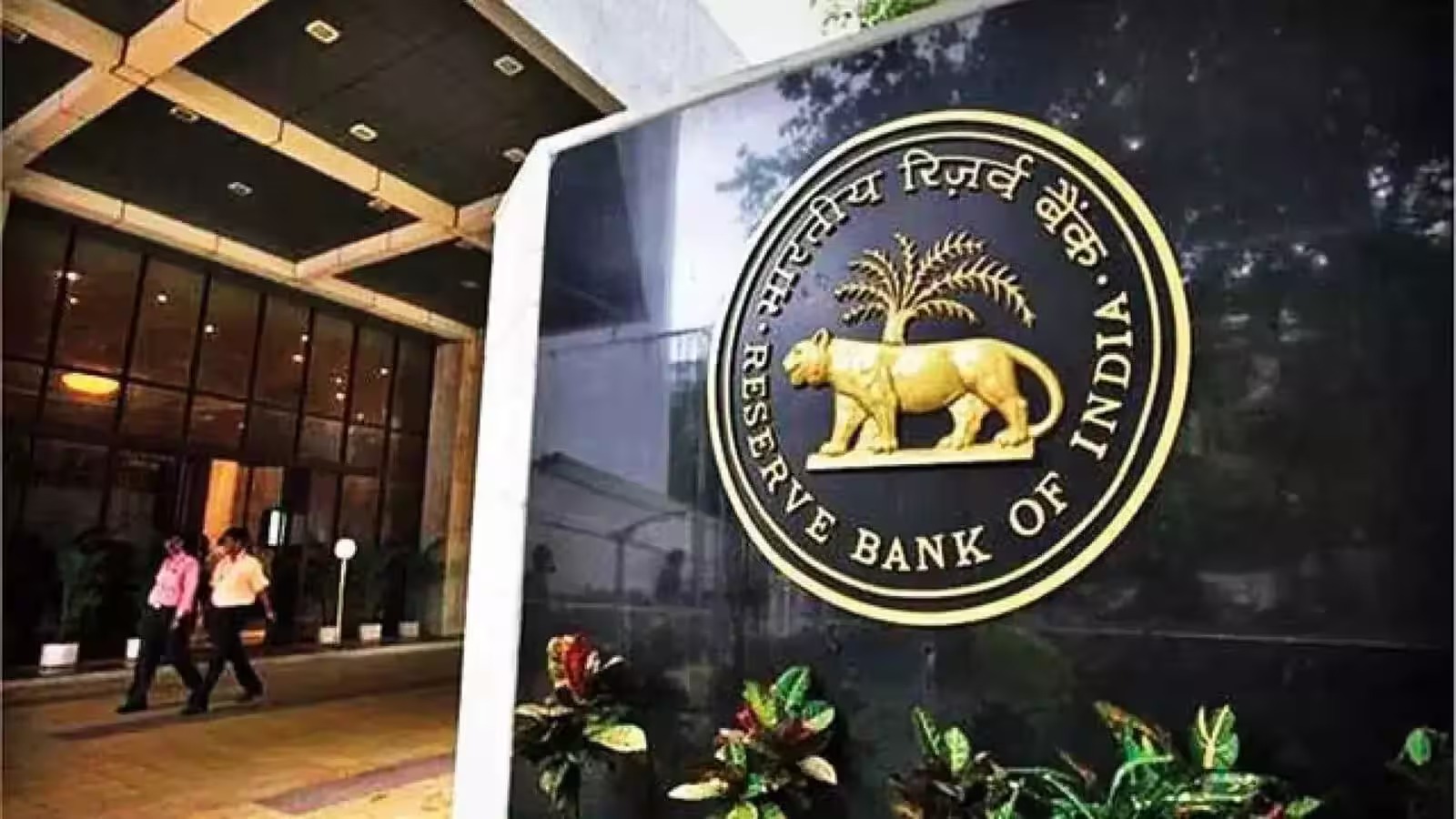
The Reserve Bank of India concluded its ₹30,000 crore government bond buyback auction without accepting any bids due to pricing disparities with market participants. The outcome ensures that targeted securities remain with holders until maturity while underlining strict central bank valuation discipline.
The Reserve Bank of India did not accept any bids during its scheduled government bond buyback auction due to unfavorable pricing demands from market participants.
The Reserve Bank of India (RBI), acting on behalf of the central government, concluded a government securities buyback auction without accepting any bids. The auction, which had targeted an aggregate face value of ₹30,000 crore, was conducted electronically through the central bank’s Core Banking Solution (E-Kuber) platform. According to official data released following the session, institutional holders submitted bids that did not align with the pricing thresholds deemed acceptable by monetary authorities, resulting in a nil acceptance outcome for the liquidity-management operation.
Mechanics of the Buyback and Pricing Mismatch
The buyback auction targeted specific maturing government securities, including multiple tranches of legacy sovereign bonds. Buyback mechanisms are deployed by central banks to proactively manage government debt profiles and inject or absorb liquidity within domestic banking channels.
However, because these transactions are strictly voluntary and executed at market-clearing prices dictated by the issuer, a mismatch frequently occurs if participating commercial banks and primary dealers demand higher yields or lower buyback prices than what the central bank is willing to approve. Market analysts noted that secondary market yield movements ahead of the auction influenced the pricing expectations of institutional holders, causing quotes to drift beyond the central bank's internal valuation limits.
Broader Liquidity Management and Market Impact
For fixed-income investors, gilt-edged security traders, and commercial banks, the rejection of all bids means that overall systemic liquidity conditions remain influenced by alternative monetary tools. The central bank routinely utilizes mechanisms such as variable rate reverse repo (VRRR) auctions alongside targeted buybacks to regulate surplus cash within the financial ecosystem.
The absence of allotment in this buyback round implies that the targeted volume of government securities will remain on institutional balance sheets until their respective maturity dates, leaving existing fiscal redemption schedules unaltered. Analysts emphasize that unconsummated buyback auctions are a standard feature of flexible open market operations, reflecting strict adherence to sovereign debt pricing discipline rather than any structural distress in government securities trading.
Official Sources Section
Operational results, buyback parameters, and auction statistics are based on official notifications and press releases issued by the Reserve Bank of India via the Ministry of Finance, Government of India. Data regarding secondary market yields and banking system liquidity was referenced through regulatory disclosures on BSE Limited.
Quote Section
"According to official notifications and central bank disclosures, the buyback auction for government securities concluded with zero bids accepted as submitted pricing did not meet regulatory parameters."
Why It Matters
Government bond buyback auctions are critical tools for managing sovereign debt maturity profiles and smoothing banking liquidity. When bids are rejected, it highlights a pricing divergence between institutional investors and monetary authorities, underscoring the central bank's commitment to fiscal prudence over debt retirement at inflated costs.
Key Facts at a Glance
Targeted Buyback Amount: Aggregate face value of ₹30,000 crore.
Auction Platform: Reserve Bank of India E-Kuber core banking system.
Outcome: Zero bids accepted due to pricing mismatches between participants and the central bank.
Impact: Securities remain with holders until maturity, leaving debt redemption timelines unchanged.
Frequently Asked Questions
What was the outcome of the government bond buyback auction?
The Reserve Bank of India did not accept any bids during the buyback auction.
What was the total notified amount for the buyback?
The auction targeted an aggregate face value of ₹30,000 crore.
Why did the central bank reject the submitted bids?
The quotes submitted by institutional participants did not align with the acceptable pricing limits established by monetary authorities.
Where were the auction results officially published?
The definitive outcome was communicated through official press releases on the Reserve Bank of India website.
Source: Reserve Bank of India, Ministry of Finance, Government of India, BSE Limited