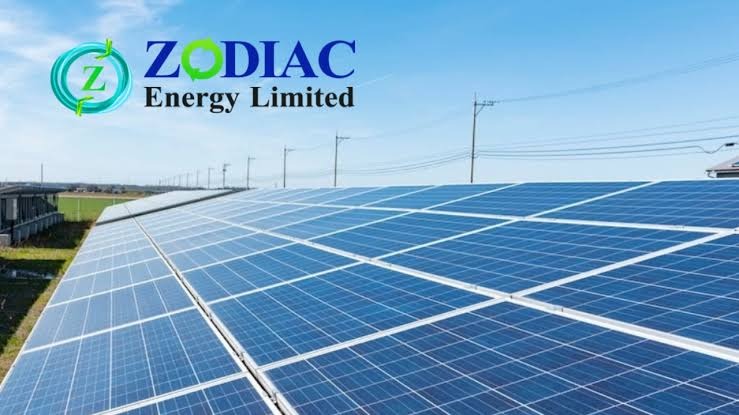
Zodiac Energy Limited’s board has authorized the creation of standalone, wholly owned subsidiaries in India and Zambia. This strategic corporate restructuring separates domestic engineering operations from expanding African solar ventures, isolating cross-border liabilities, optimizing local tax compliance, and streamlining execution for a growing portfolio of international utility-scale energy projects.
AHMEDABAD, INDIA — Renewable energy solutions provider Zodiac Energy Limited has formally approved the incorporation of new wholly owned subsidiaries (WOS) in both India and Zambia. Announced on Monday following a pivotal board of directors meeting at the company’s corporate headquarters, this dual-market expansion plan establishes separate corporate vehicles designed to capitalize on emerging engineering, procurement, and construction (EPC) pipelines. The strategic restructuring separates domestic utility installations from high-growth African solar developments as the firm positions itself to fulfill newly acquired international infrastructure contracts.
Strategic Shift Targets Domestic EPC and International Solar Markets
The regulatory framework underscores a deliberate operational transformation for the Ahmedabad-based green energy firm. By introducing dedicated wholly owned corporate subsidiaries, Zodiac Energy seeks to insulate its domestic operations from risks associated with overseas asset management, while optimizing local regulatory compliance.
The corporate action satisfies distinct business requirements across two hemispheres:
Domestic Infrastructure Expansion: The upcoming Indian subsidiary will focus entirely on solar power generation and large-scale engineering, procurement, and construction (EPC) initiatives. This allows the parent company to run lean corporate financing structures while bidding for decentralized government and open-access commercial installations.
African Market Consolidation: The dedicated Zambian subsidiary acts as a targeted legal vehicle to execute turnkey solar engineering, procurement, and construction workflows. Establishing a local footprint in Lusaka mitigates import logistics complexities and fulfills strict local corporate presence prerequisites for international utility tenders.
Navigating Regulatory Filings and Project Pipelines
The restructuring comes on the heels of major contract wins in sub-Saharan Africa. In early 2026, Zodiac Energy clinched a critical Letter of Intent (LOI) for a turnkey 6 MWp solar photovoltaic plant paired with a 1 MWh Battery Energy Storage System (BESS) in Lusaka, Zambia, valued at roughly $3.29 million (₹30.85 crore). Having previously commissioned a 4 MW installation in Mansa, Zambia, the newly formed enterprise will absorb these local operational assets directly.
Financially, the parent corporation reported net sales of ₹543.52 crore for the fiscal year ended March 2026, marking a 33.29% year-on-year increase. However, trade receivables leaped 98.1% to ₹113 crore, highlighting the operational necessity for specialized subsidiaries to manage specific cash flow, localized debt structures, and vendor obligations independently.
Impact on Shareholders and the Renewable Industry
For public market investors tracking green micro-caps, this restructuring signals a shift from a regional installer to a multi-tiered international asset builder. Separating international liabilities lowers the overall risk premium for domestic bank lending, which is vital for capital-intensive utility-scale solar farms.
Furthermore, during the same board session, administrators approved the allotment of 28,943 equity shares resulting from exercised employee stock options (ESOPs). This raised the firm's total paid-up equity share capital from ₹15,12,36,900 to ₹15,15,26,330—a move aimed at locking in key engineering talent ahead of the subsidiary rollouts.
Official Sources Section
Regulatory declarations were submitted directly to the National Stock Exchange of India (NSE) under statutory compliance rules. The ongoing setup processes remain bound by corporate law requirements governed by India's Ministry of Corporate Affairs and the Patents and Companies Registration Agency (PACRA) of Zambia.
Quote Section
"The Board has approved the incorporation of one or more Wholly Owned Subsidiaries in India to support the Company's business expansion strategy and to undertake the business of solar power generation, engineering, procurement and construction projects," organizers stated in an official regulatory disclosure.
"The Board has also approved the incorporation of one Wholly Owned Subsidiary in Zambia to explore international business opportunities, execute turnkey solar engineering, procurement and construction projects," officials added.
Why It Matters
Moving beyond a single unified corporate ledger minimizes structural friction. Rather than subjecting the primary Indian balance sheet to cross-border tariff structures, distinct political risks, or varying currency conversions, the standalone subsidiaries insulate the principal public entity while keeping specialized supply chains open for target regions.
Key Facts at a Glance
Dual Inception: Approvals cover simultaneous formations of corporate entities inside India and Zambia.
Strategic Scope: Subsidiaries will absorb future solar generation assets and distinct international turnkey EPC projects.
Capital Base Adjustment: Paid-up equity capital rose to ₹15.15 crore via freshly allocated ESOP shares.
Anchored Pipeline: The African unit is positioned to anchor a newly signed $3.29 million solar-plus-storage installation in Lusaka.
FAQ Section
Q: Why is Zodiac Energy creating separate companies in India and Zambia?
A: Splitting operations helps manage distinct financial frameworks, local taxes, and operational risks across domestic open-access markets and foreign infrastructure projects independently.
Q: What fields will the Indian subsidiary focus on?
A: The domestic division will focus explicitly on regional solar power generation alongside specialized engineering, procurement, and construction (EPC) contract management.
Q: Does the company already operate in Africa?
A: Yes, the firm previously completed a 4 MW installation in Mansa and secured a $3.29 million hybrid solar-BESS contract in Lusaka earlier this year.
Source: National Stock Exchange of India Corporate Filings, Zodiac Energy Investor Relations Division.