The Punjab government has moved the Supreme Court to contest a High Court order mandating the clearance of ₹14,191 crore in DA dues within 14 days. The state argues the deadline violates constitutional withdrawal rules, requesting instead the reinstatement of its five-year phased payout plan.
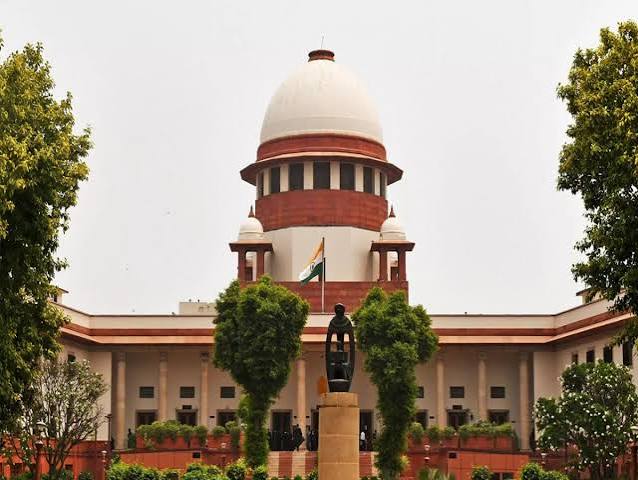
CHANDIGARH — The Punjab government has filed a Special Leave Petition in the Supreme Court challenging a Punjab and Haryana High Court order that directed the state to clear approximately ₹14,191 crore in pending dearness allowance (DA) and dearness relief (DR) dues to state employees and pensioners within 14 days.
The legal escalation comes in the wake of mounting administrative friction and employee protests over delayed payments. State officials argue that enforcing a fortnight deadline bypasses statutory financial appropriations and disregards the state's fiscal limits. The High Court's August 3 judgment had mandated the payout at rates equivalent to those granted to All India Services (AIS) officers, alongside a 6% simple interest penalty for default and restrictions on "unproductive" public expenditure.
Constitutional Constraints and Liquidation Plans
In its petition filed through the Additional Chief Secretary of the Finance Department, the Punjab government emphasized that complying with the timeline is legally and operationally unworkable. According to the filing, appropriating ₹14,191 crore—a figure representing nearly three months of the state's entire salary and pension budget—violates Article 266(3) of the Constitution. The state contended that public funds cannot be withdrawn from the Consolidated Fund without adhering to the legislative procedures outlined under Articles 202 to 206.
Furthermore, the state highlighted that the Punjab Cabinet had already approved a structured liquidation plan in February 2025 to clear the arrears in phased installments across five financial years. The petition also challenged the High Court's reliance on AIS pay scales as a benchmark, noting that AIS officers are governed by distinct central laws, whereas state employee structures operate under independent rule-making discretion.
According to official filings, state budget records, and legal submissions:
Total Financial Liability: Approximately ₹14,191 crore in pending DA and DR arrears for employees and pensioners.
High Court Mandate: Directive to clear all dues within 14 days, backed by a 6% interest clause for defaults.
Proposed State Alternative: A cabinet-approved five-year phased liquidation framework formulated in February 2025.
Committed Expenditures: Salaries, pensions, and debt servicing account for a vast majority of the state's revenue receipts, limiting immediate cash liquidity.
Official Sources Section
Supreme Court of India Case Filings: Special Leave Petition records, legal briefs, and interim stay applications filed by the state counsel.
Punjab and Haryana High Court Judgments Portal: Original writ petitions, division bench rulings, and compliance directives concerning state DA parity.
Quote Section
"According to the special leave petition filed by the Punjab government, 'Compliance is not merely difficult; it is constitutionally impossible in the time allowed, as no money may be appropriated from the consolidated fund of a state except in the manner provided by the Constitution.'"
Why It Matters
For state finances, an immediate, unbudgeted cash outflow of ₹14,191 crore would severely impair funding allocated for public infrastructure, education, and healthcare development. For over four lakh state employees and pensioners, the Supreme Court's impending review will determine the timeline and mechanism for recovering long-delayed inflation adjustments, setting a crucial precedent for fiscal federalism and employee compensation disputes nationwide.
Key Facts at a Glance
Petitioner: Government of Punjab.
Disputed Amount: ₹14,191 crore in DA and DR arrears.
Core Legal Grounds: Violation of Article 266(3) and improper comparison with All India Services pay structures.
Employee Countermeasure: Legal caveats filed by employee unions to secure representation before any interim orders are passed.
FAQ Section
Why has the Punjab government approached the Supreme Court?
The state challenged a High Court directive ordering the clearance of ₹14,191 crore in DA arrears within 14 days, calling it constitutionally impossible.
What does the state's constitutional argument entail?
The government cited Article 266(3), arguing that massive fund withdrawals from the Consolidated Fund must follow proper budgetary procedures under Articles 202–206 rather than a short judicial fiat.
What was Punjab's original plan for clearing the DA arrears?
The state cabinet approved a structured plan in February 2025 to disburse the dues in phased installments across five financial years.
Where can citizens track the progress of this legal dispute?
Case status updates and official hearings can be followed directly through the Supreme Court of India Portal.
Source: Supreme Court of India Filings, Punjab and Haryana High Court, The Hindu, The Times of India