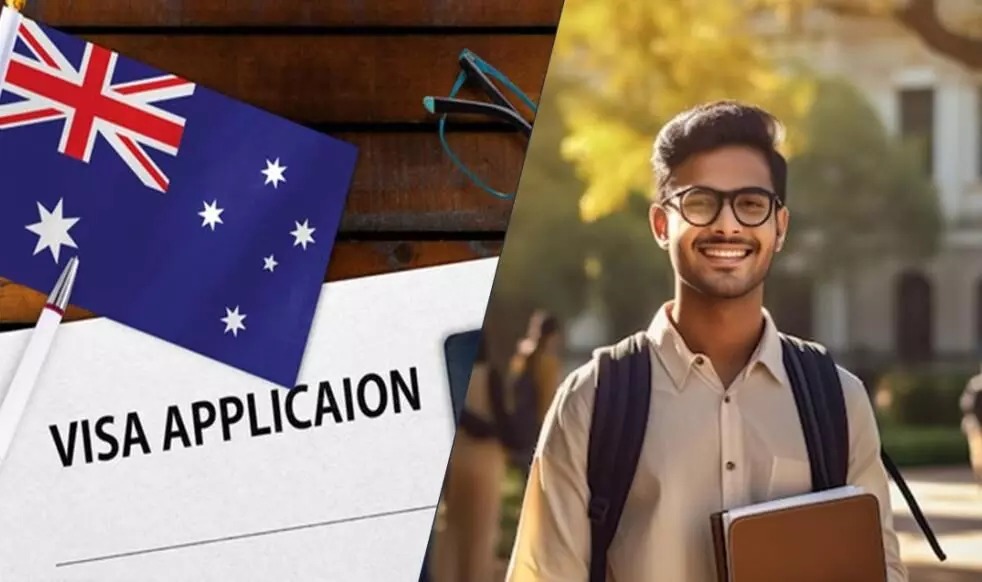
Indian students planning to study in Australia face a tougher path as student visa approval rates decline following stricter scrutiny from the Department of Home Affairs. Increased verification of financial records, higher living expense thresholds, and manual document checks under the Genuine Student framework have slowed application processing and elevated refusal rates.
CANBERRA, Australia — Indian students seeking higher education in Australia are navigating a significantly more rigorous application landscape in 2026 as the Australian Department of Home Affairs enforces stricter immigration integrity measures. Following heightened scrutiny over financial documentation and enrollment records, approval rates for offshore Indian student visa applicants have dropped, while processing timelines have extended from weeks to several months.
The tightening of visa processing parameters forms part of the Australian government's broader strategy to regulate international student intake, curb fraudulent documentation, and ensure that international arrivals possess genuine academic intentions and verifiable financial backing.
Reclassification to Stricter Verification Tiers and Increased Scrutiny
The reduction in approval rates follows regulatory measures implemented under Australia's Simplified Student Visa Framework (SSVF) and updated policy directives issued via Ministerial Direction 115. Earlier in 2026, Australian immigration authorities reclassified several South Asian nations including India, Nepal, and Bangladesh to higher risk categories (Evidence Level 3) due to a surge in unverified financial statements and inconsistent academic records.
Although processing framework levels fluctuate based on institutional risk ratings, the Department of Home Affairs has maintained manual verification protocols for a majority of offshore Indian files. Rather than relying on automated clearing systems, immigration officers now manually cross-examine bank deposits, family income statements, tax filings, and educational loan approvals.
Key factors driving the extended review timelines and increased refusal rates include:
Manual Financial Audits: In-depth verification of bank statements to ensure deposits are not temporary unverified transfers.
Income-to-Loan Misalignments: High rejection risks for applicants presenting education loans where family income profiles appear insufficient to service long-term debt.
Academic Alignment Checks: Scrutiny of applicants selecting courses that do not align logically with their previous academic qualifications or work history.
Extended Processing Periods: Visa decision timelines stretching between 45 and 90 days, causing missed intake deadlines for numerous students.
Financial Proof Demands and Genuine Student Test Metrics
Alongside increased documentation checks, the financial criteria for studying in Australia have risen. The annual living cost requirement for an individual international student was increased to AUD 29,710, up from previous benchmarks, requiring applicants to demonstrate greater upfront financial capacity.
Furthermore, Australia replaced the traditional Genuine Temporary Entrant (GTE) statement with the Genuine Student (GS) test. Under the GS framework, applicants must answer specific targeted questions demonstrating their choice of course, knowledge of the Australian education system, ties to their home country, and practical plans following completion of their studies. Generic or template-based responses are routinely flagged, contributing directly to application refusals.
Impact on Universities, Education Agencies, and Applicants
The slowdown in approvals and increased refusal rates carry notable consequences across the international education sector:
For Indian Applicants: Students face higher financial preparation hurdles, longer waiting periods, and increased risk of refusal, leading many to explore alternative destinations such as Germany, Ireland, or New Zealand.
For Australian Universities: Higher education institutions—particularly regional universities and private vocational colleges—are reporting drops in international enrollments from South Asia, placing pressure on institutional revenue models.
For Education Consultants: Recruitment agencies in India must conduct more rigorous pre-assessment checks on financial documents and academic histories before submitting files to avoid high client refusal rates.
Official Sources Section
Data, policy updates, and visa metrics referenced in this report were verified through official publications and updates from:
Quote Section
"According to officials from the Australian Department of Home Affairs, current visa processing procedures prioritize system integrity and the verification of genuine student intentions, ensuring that international education providers maintain high standards of compliance and sustainable student numbers."
Why It Matters
Australia remains one of the premier global destinations for Indian higher education students. However, the shift toward manual verification, higher living cost thresholds, and strict compliance enforcement means that successful visa outcomes now depend on meticulous documentation and verifiable financial transparency rather than mere acceptance letters.
Key Facts at a Glance
Financial Requirement: Living cost proof raised to AUD 29,710 per year for international students.
Assessment Framework: Shift from GTE to Genuine Student (GS) testing with targeted questionnaire scrutiny.
Verification Standards: Manual audits applied to 3–6 months of bank statements, tax records, and loan sources.
Processing Timelines: Processing windows extending between 45 and 90 days for offshore South Asian applications.
Frequently Asked Questions (FAQs)
Why are Australia student visa approvals declining for Indian applicants?
Approvals have declined due to increased manual scrutiny of financial records, strict verification of source of funds, higher living expense requirements, and rigorous evaluation under the Genuine Student framework.
What is the current living expense requirement for an Australian student visa?
The Department of Home Affairs requires primary student visa applicants to show evidence of AUD 29,710 per year in living expenses, in addition to tuition fees and return travel costs.
How long does it take to process an Australia student visa from India in 2026?
Due to manual document verification and higher processing scrutiny, decisions for offshore applicants typically take between 45 and 90 days.
Source: Australian Department of Home Affairs, Study Australia, Federal Register of Legislation.