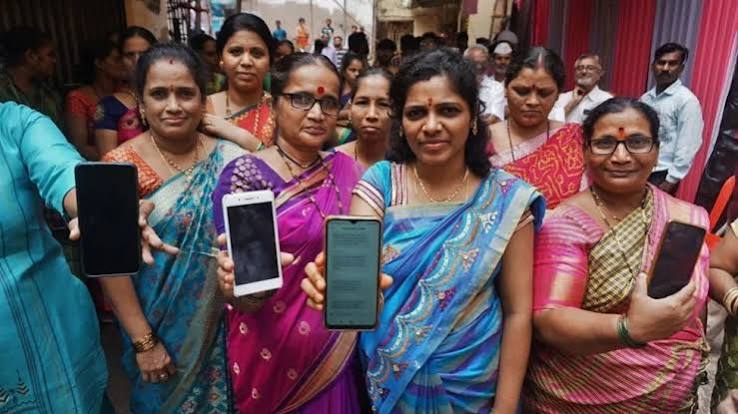
Maharashtra has removed over 9.2 million beneficiaries from its prominent Ladki Bahin Yojana cash-transfer scheme following a statewide e-KYC and eligibility verification drive. The massive reduction addresses income discrepancies, duplicate profiles, and unverified accounts, sparking intense debate over welfare administration and fiscal transparency.
MUMBAI — In one of the most substantial administrative purges of a state welfare program in India, the Maharashtra government removed over 92 lakh (9.2 million) names from the flagship Mukhyamantri Majhi Ladki Bahin Yojana. The mass exclusion comes in the wake of a comprehensive statewide verification and electronic Know-Your-Customer (e-KYC) audit.
The targeted direct benefit transfer (DBT) scheme, which provides regular financial stipends to eligible women aged 21 to 65, faced intense scrutiny following rapid rollout phases ahead of state legislative elections. State administrative bodies initiated the massive audit to eliminate systemic leakages, verify income thresholds, and ensure compliance with statutory guidelines.
Uncovering Inefficiencies and Audit Findings
The widespread reduction represents roughly 38% of the program's peak beneficiary base, which had previously scaled to over 2.43 crore women. According to official data and reports accessed via Right to Information (RTI) filings, the eliminations followed strict technological filtering and field assessments.
Government records and administrative disclosures highlight several primary reasons for removal:
Incomplete e-KYC Compliance: Failure to complete mandatory electronic Aadhaar authentication accounted for roughly 62 lakh dropped names, making up the vast majority of the exclusions.
Income Ceiling Violations: Approximately 16 lakh beneficiaries were removed after audits revealed family earnings exceeded the statutory threshold limit of ₹2.5 lakh per annum.
Administrative and Technical Errors: Additional deletions involved duplicate registrations, age limit violations, government employment disqualifications, and instances where male applicants had erroneously received payouts.
Official Sources Section
Quote Section
According to statements released by state administrative officials regarding the verification drive:
"The rigorous verification process is an ongoing administrative necessity aimed strictly at weeding out ineligible recipients, ensuring complete fiscal transparency, and protecting public exchequer resources for genuine beneficiaries."
Why It Matters
For taxpayers, policymakers, and political analysts, the removal of 9.2 million beneficiaries underscores the complex administrative friction inherent in scaling direct cash transfer initiatives. While the purge prevents potential misallocations estimated in the thousands of crores, it has ignited fierce political debates concerning hasty pre-election rollouts and the balance between welfare distribution speed and rigorous institutional oversight.
Key Facts at a Glance
Program Name: Mukhyamantri Majhi Ladki Bahin Yojana.
Total Beneficiaries Removed: Over 92 lakh (9.2 million) names.
Primary Cause: Incomplete e-KYC verification accounting for 62 lakh omissions.
Secondary Cause: Family income exceeding the ₹2.5 lakh annual ceiling.
FAQ Section
What is the Mukhyamantri Majhi Ladki Bahin Yojana?
It is a major state welfare cash-transfer initiative designed to provide regular monthly financial assistance to eligible women across Maharashtra.
Why were more than 9 million women removed from the scheme?
Beneficiaries were dropped following a mandatory verification audit that flagged incomplete e-KYC linkages, income ceiling violations, duplicate entries, and ineligible profiles.
What role did e-KYC play in the exclusions?
Incomplete electronic Know-Your-Customer authentication was the single largest factor, accounting for approximately 62 lakh of the total removals.
Can genuinely eligible women re-apply if mistakenly dropped?
State authorities have established grievance redressal channels allowing genuinely eligible individuals to submit updated documentation for re-verification.
Source: Maharashtra Government RTI Disclosures, Comptroller and Auditor General of India, Moneycontrol