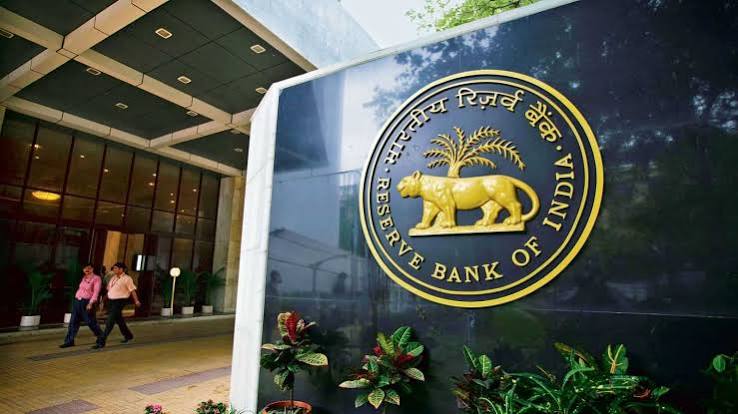
The Reserve Bank of India announced it will resume issuing fresh licences for setting up urban cooperative banks on an "on-tap" basis after a 22-year pause. Under draft guidelines, eligible co-operative credit societies with ₹300 crore net worth and a 10-year operational history can apply to convert into regulated banks.
MUMBAI, India - The Reserve Bank of India (RBI) officially announced on August 5, 2026, that it will resume issuing fresh licences for setting up urban cooperative banks on an "on-tap" basis after a 22-year freeze. Unveiled by RBI Governor Sanjay Malhotra during the post-Monetary Policy Committee (MPC) announcement at the central bank's headquarters in Mumbai, the decision follows comprehensive review and stakeholder consultations initiated via a January 2026 discussion paper. By re-opening licensing pathways for well-governed co-operative credit societies, the central bank aims to enhance credit access for small businesses, local traders, and middle-income urban households while modernizing India's co-operative banking structure.
Eligibility Norms and Draft Framework for Applicant Entities
Under the draft regulatory directions issued by the central bank, the RBI has established strict financial, operational, and governance benchmarks for entities seeking new banking permits. To ensure that only financially resilient institutions transition into full-fledged urban cooperative banks, the initial application window will focus primarily on converting established co-operative credit societies.
According to the draft guidelines, applicant societies must demonstrate an operational history of at least 10 consecutive years alongside sound financial performance for at least five preceding financial years. At the time of application, entities must hold a minimum deposit base of ₹10,000 crore and maintain a net worth of at least ₹300 crore based on audited statements as of March 31 of the previous fiscal year. In the first rollout phase, the regulator will prioritize multi-state co-operative credit societies operating across broader regional territories to encourage geographic asset diversification.
| Eligibility Parameter | Regulatory Threshold / Draft Requirement |
| Minimum Operational Track Record | 10 active years (with 5 years of verified financial stability) |
| Net Worth Benchmark | Minimum ₹300 crore |
| Deposit Base Threshold | Minimum ₹10,000 crore |
| Capital Adequacy (CRAR) | Minimum 12% at the time of licensing |
| Asset Quality Requirement | Net Non-Performing Asset (NPA) ratio below 3% |
| Individual Ownership Cap | Individual shareholding capped at 5% |
Background and Context Behind the 22-Year Licensing Freeze
The central bank halted issuing fresh permits to urban cooperative banks in 2004 following systemic distress across the co-operative sector in the early 2000s. Severe governance failures, political interference, and concentrated lending practices exemplified by the high-profile collapse of Madhavpura Mercantile Co-operative Bank in 2001 led to a high rate of financial insolvency among newly licensed institutions. Between 1993 and 2001, the RBI had issued 823 licences, but many failed to maintain adequate capital buffers.
Over the past two decades, regulatory consolidation reduced the total count of urban cooperative banks operating in India from over 2,100 entities to 1,457 as of March 31, 2025. The decision to reopen the licensing window reflects significant regulatory enhancements enacted under the Banking Regulation (Amendment) Act, 2020. The landmark amendment granted the RBI direct supervisory oversight over board appointments, professional management standards, and capital restructuring within co-operative lenders, establishing the regulatory safeguards required to resume licensing safely.
Impact on Borrowers, Local Businesses, and Financial Institutions
For micro, small, and medium enterprises (MSMEs), urban artisans, traders, and self-employed professionals, the arrival of newly licensed urban cooperative banks promises expanded access to working capital and tailored credit facilities. Co-operative lenders possess deep local market knowledge, positioning them to serve creditworthy borrowers who struggle to meet the rigid collateral standards of commercial banking institutions.
For co-operative credit societies, the transition framework offers a clear institutional scale-up path, allowing eligible entities to issue cheque books, access real-time clearing systems, and offer deposit insurance coverage up to ₹5 lakh under the Deposit Insurance and Credit Guarantee Corporation (DICGC). Meanwhile, commercial banks face heightened competition for low-cost savings deposits in semi-urban and tier-2 markets.
Official Sources Section
Regulatory proposals, draft guidelines, and executive statements cited in this news report were compiled from official announcements published by the Reserve Bank of India (RBI), statutory updates issued via the Press Information Bureau (PIB), and regulatory framework details from the Ministry of Finance.
Official Quote Section
According to official disclosures delivered during the monetary policy briefing in Mumbai, central bank leadership emphasized that improved regulatory structures permit a safe return to licensing.
Reserve Bank of India Governor Sanjay Malhotra stated: "On the basis of the feedback received on the discussion paper on licensing of urban cooperative banks, we are issuing draft guidelines for resuming licensing of UCBs on an on-tap basis. The operating environment has transformed substantially over the last two decades, and stronger supervisory powers now enable us to foster a vibrant and financially resilient co-operative banking sector."
Why It Matters
Reopening the window for new urban cooperative banks addresses a major structural gap in India's dual-tier banking system. By permitting eligible credit societies with strong balance sheets to convert into full-fledged banks, the RBI encourages grassroots capital formation while enforcing professional corporate governance and digital compliance across regional credit channels.
Key Facts at a Glance
Licensing Resume: RBI to issue fresh licences for urban cooperative banks on an "on-tap" basis after a 22-year pause.
Capital Requirements: Applicant societies must hold a minimum net worth of ₹300 crore and deposits of at least ₹10,000 crore.
Financial Health Standards: Requires minimum 12% CRAR, net NPAs below 3%, and 10 years of successful operational history.
Regulatory Context: Enabled by enhanced central bank supervisory powers granted under the Banking Regulation (Amendment) Act, 2020.
Frequently Asked Questions (FAQ)
Why did the RBI stop issuing fresh licences to urban cooperative banks in 2004?
The RBI halted new licences in 2004 due to governance failures, weak risk controls, and a high rate of financial insolvency among newly licensed cooperative lenders following the 2001 Madhavpura Bank scam.
Who is eligible to apply for a new urban co-operative bank licence?
Only credit cooperative societies with at least 10 years of active operations, ₹300 crore in net worth, ₹10,000 crore in deposits, and a net NPA below 3% can apply.
How will applications be submitted to the central bank?
Eligible entities can submit applications online on an "on-tap" basis through the RBI's PRAVAAH portal, subject to multi-stage regulatory scrutiny and physical inspection.
Where can stakeholders review the draft licensing guidelines?
The complete draft directions and public comment forms are available directly on the official portal of the Reserve Bank of India (RBI).
Source: Official regulatory announcements and draft circulars released by the Reserve Bank of India (RBI), statutory briefings from the Press Information Bureau (PIB), and policy directives from the Ministry of Finance.