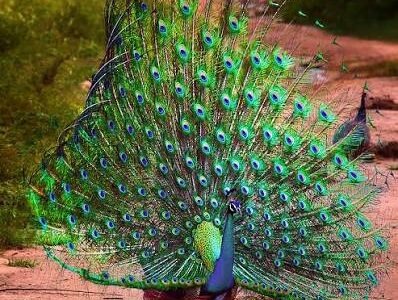
India has donated five peacocks—four blue and one rare white male—to the United Nations Office at Geneva, reviving a diplomatic tradition first established in 1981. The birds will reside in Ariana Park, restoring the historic peafowl population that has graced the international diplomatic campus for over a century.
GENEVA — India has officially gifted five young peacocks to the United Nations Office at Geneva (UNOG), replenishing the historic peafowl population at the sprawling Ariana Park estate.
The diplomatic handover, announced in August 2026, features four classic blue peacocks (Pavo cristatus) and one rare white-feathered male, aligning symbolically with the official blue and white colors of the United Nations. The gesture revives a historic precedent established in 1981 when former Indian Prime Minister Indira Gandhi donated a breeding pair from the Delhi Zoo to the international organization.
Restoring Ariana Park’s Historic Avian Legacy
The introduction of the new birds addresses a sharp decline in the estate's resident population, which had recently dwindled to just a single surviving inhabitant. According to official statements from UN Geneva, the tradition of keeping peafowl on the grounds dates back to 1890 following a legal mandate by the estate's original owner, Gustave Revilliod.
The newly arrived birds are currently housed in a temporary, spacious aviary within Ariana Park. Wildlife veterinarians and facility management teams noted that the birds will undergo a three-month acclimation period before being granted free roam of the international diplomatic campus.
Diplomatic Significance and Institutional Impact
The symbolic transfer highlights cultural cooperation and soft-power diplomacy between India and international bodies.
For International Diplomacy: The live gift introduces a unique cultural touchpoint to multilateral relations, playfully dubbed by officials as a counterpart to traditional wildlife exchanges.
For the United Nations: Restoring the flock preserves a century-old heritage asset that defines the scenic landscape of the Palace of Nations.
For Visitors and Public Engagement: The presence of the rare white peacock has already drawn widespread public interest, with UN Geneva announcing plans for a public naming contest.
Quote Section
"According to UN Geneva Director-General Tatiana Valovaya, 'We are very happy to welcome five new peacocks, four blue, one white in typical United Nations colours: blue and white. And we have created a temporary house for them. They will stay here for the next three months...and then they will be allowed to move freely and enjoy the hospitality of the Ariana Park.'"
Why It Matters
The revival of this tradition underscores the enduring cultural ties binding India to multilateral institutions. Beyond honoring a 19th-century estate mandate, the gesture reinforces environmental stewardship and adds a vibrant living heritage element to the international headquarters, fostering positive public engagement with the global body.
Key Facts at a Glance
Donation Details: India gifted five young peacocks to the United Nations Office at Geneva.
Flock Composition: Includes four blue peafowl and one rare white male, matching UN colors.
Historical Precedent: Mirrors the 1981 donation facilitated by then-Prime Minister Indira Gandhi.
Habitat Integration: Birds are undergoing a three-month acclimation phase in Ariana Park before roaming freely.
Frequently Asked Questions
Why did India donate peacocks to UN Geneva?
The donation revives a decades-old tradition dating back to 1981 to replenish Ariana Park's declining peafowl population and celebrate multilateral partnership.
What specific types of peacocks were included?
The gift consists of four classic blue peacocks and one rare white-feathered male.
When was the previous gift made by India?
India previously donated a breeding pair of peacocks to UN Geneva in 1981 under the administration of Prime Minister Indira Gandhi.
When will the peacocks roam freely in the park?
After a three-month supervised acclimation period in a specialized temporary aviary, the birds will be released to roam the Ariana Park grounds.
Source: United Nations Geneva Official News and Press Releases, Permanent Mission of India to the United Nations in Geneva, Ministry of External Affairs, Government of India