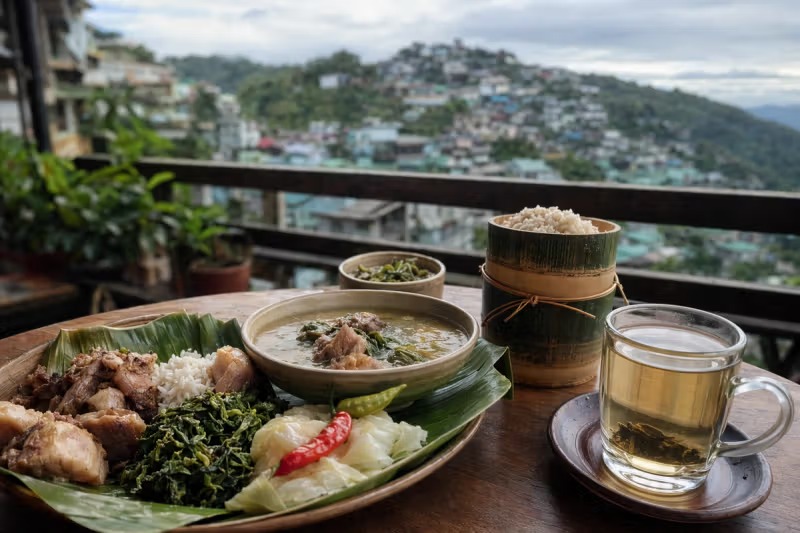
During the monsoon season, Northeast India embraces a comforting menu defined by hot herbal broths, smoky meats, foraged greens, and pungent fermented ingredients. These traditional dishes not only offer warmth against the persistent rains but also reflect the rich, sustainable culinary wisdom of the region's diverse indigenous communities.
As heavy monsoon rains sweep across the lush valleys and hills of Northeast India, the region’s culinary landscape shifts toward warm broths, smoky meats, and pungent, immunity-boosting ferments.
The Comfort of Warm Broths and Steaming Rice
When the weather turns wet and misty across states like Manipur, Meghalaya, and Arunachal Pradesh, meals are designed to provide immediate warmth and comfort. Unlike heavier, oil-rich comfort foods found in other parts of the country, traditional Northeast Indian monsoon dishes lean toward lighter fats, high-impact local herbs, and boiling methods.
Chamthong and Kangshoi (Manipur): These are comforting, oil-free vegetable stews loaded with seasonal greens, flavored with dried or fresh fish, and served piping hot over a bed of steamed rice.
Nakham Bitchi (Meghalaya): A signature rainy-season soup from Meghalaya made with sun-dried river fish (nakham) and native vegetables, finished with a heavy kick of local fiery chillies.
Thukpa and Gythuk (Arunachal Pradesh / Sikkim): Hot noodle soups packed with local mountain vegetables or meat, offering essential warmth against the damp chill of hill stations.
Fermented Foods and Smoky Meats
Monsoon is the peak season when traditional preservation methods take center stage. High humidity and heavy downpours make fermented and smoked foods a staple of daily cooking, imparting deep umami flavors that complement the rainy weather.
Smoked Pork with Bamboo Shoot or Axone (Nagaland / Mizoram): Crisp on the outside and succulent inside, smoked pork cooked with fermented soybean (axone) or tender bamboo shoots is a quintessential monsoon indulgence.
Fermented Fish and Bamboo Shoots: Ingredients like Manipuri ngari (fermented fish) and freshly harvested tender bamboo shoots are added to curries and chutneys to bring a sharp, distinct aroma that defines regional rainy-day cooking.
Impact on Local Food Culture and Travelers
For local communities, monsoon eating is deeply connected to foraging. Markets overflow with wild fiddlehead ferns (dhekia shaak), fresh bamboo shoots, and abundant leafy greens that thrive exclusively during the wet months.
For travelers and food enthusiasts, exploring these regional flavors requires a appreciation for local preparation methods. Culinary experts recommend enjoying freshly cooked, boiling-hot street snacks—such as local tea-time boras (fritters) or Manipur's spicy Kelli Chana—while sticking to hygienic, bustling local eateries to fully experience the rich gastronomic heritage of the Seven Sister States.
Quote Section
"According to local chefs and culinary researchers, the monsoon season in Northeast India transforms everyday dining into a celebration of warm broths, smoky meats, and foraged forest greens designed to combat the damp mountain chill."
Why It Matters
Understanding what Northeast India eats during the monsoon highlights the deep symbiotic relationship between indigenous communities and their local ecosystems. It showcases how seasonal weather changes dictate traditional nutrition, preservation techniques, and regional identity.
Key Facts at a Glance
Core Focus: Warm stews, steamed rice dishes, and smoked meats.
Key Seasonal Ingredients: Fresh bamboo shoots, wild ferns, and local river fish.
Flavor Profiles: High use of fermented elements (ngari, axone) and indigenous chillies like Bhut Jolokia.
Culinary Purpose: Designed to provide internal warmth, aid digestion, and utilize harvested monsoon flora.
FAQ Section
1. Why are fermented foods popular in Northeast India during the monsoon?
Fermented foods like axone and ngari provide deep, rich umami flavors and act as core pantry staples that pair well with hot rice and broths during cold, wet weather.
2. Are vegetable dishes common during the Northeast monsoon?
Yes, the rains bring an abundance of wild greens, tender bamboo shoots, and forest-foraged fiddlehead ferns that are heavily featured in daily stews and stir-fries.
3. What is Nakham Bitchi?
It is a traditional, hot, and spicy soup from Meghalaya made using sun-dried fish and native vegetables, traditionally served to guests to ward off the damp chill.
4. Is it safe for travelers to try local street food during the rainy season?
Travelers are advised to eat freshly cooked, piping-hot dishes—such as local fritters or boiled stews—from busy, trusted vendors to ensure food safety during high-humidity months.
Source: Regional culinary documentations, cultural archives, and traditional food studies of Northeast India.