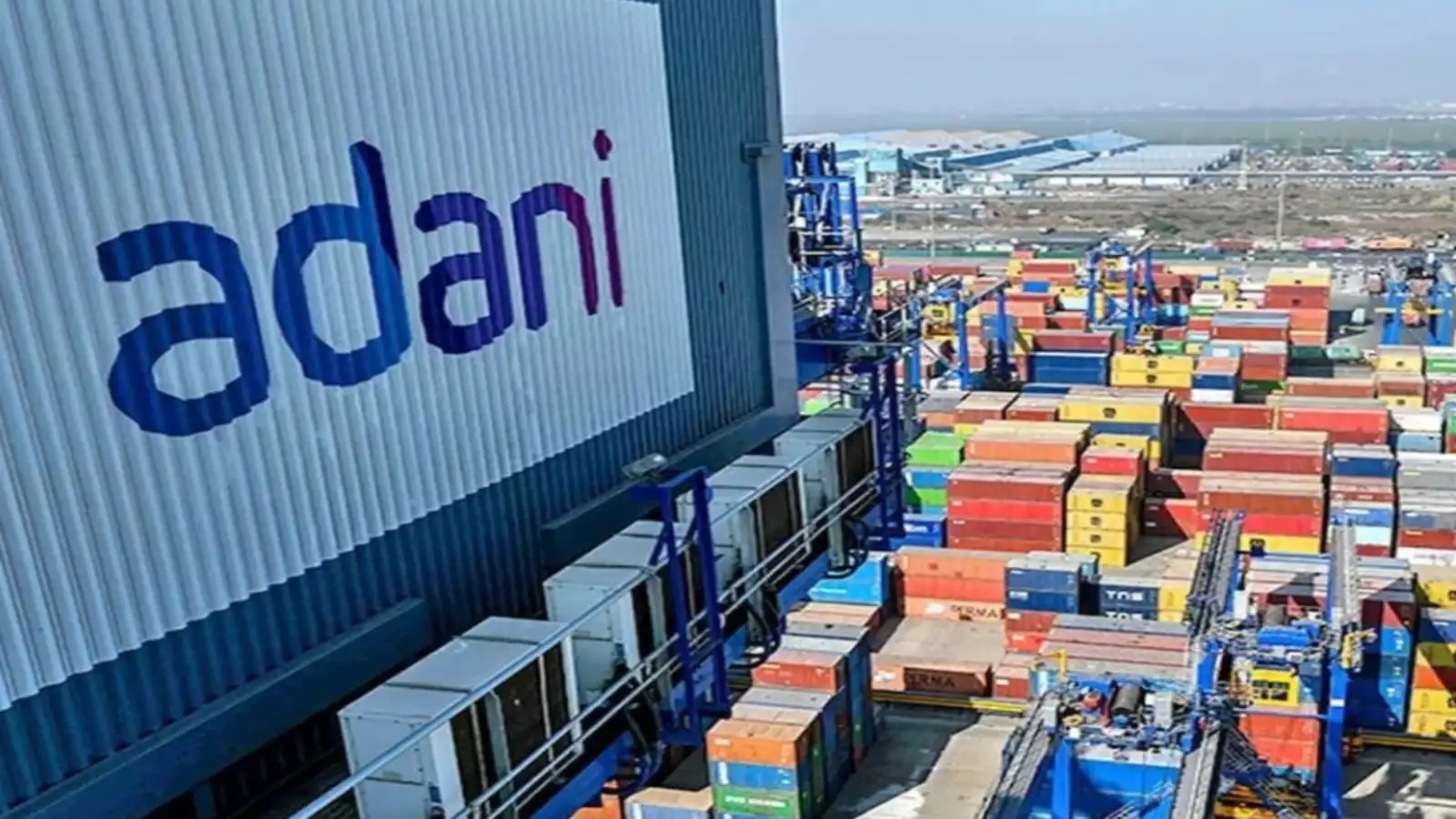
Adani Ports (APSEZ) has expanded its partnership with Kaleris to deploy AI-driven logistics solutions across 15 container terminals. This initiative is a central part of the company's USD 850 million commitment to technology and decarbonization, aimed at scaling operations to reach one billion tonnes of cargo handling annually by 2031.
AHMEDABAD — Adani Ports and Special Economic Zone Ltd. (APSEZ), India’s largest integrated transport operator, has expanded its strategic partnership with US-based technology firm Kaleris to accelerate the deployment of artificial intelligence (AI) across its maritime and logistics operations. The multi-year agreement, announced on June 16, 2026, aims to create a unified digital backbone to enhance efficiency and end-to-end visibility across 15 container terminals.
The collaboration is a core component of APSEZ’s broader 2030 vision, which includes an ambitious investment of USD 850 million dedicated to technology upgrades and decarbonization. As the company works toward its goal of handling one billion tonnes of cargo annually by 2031, it is increasingly leaning on automation to drive operational precision.
Scaling AI for Global Efficiency
Under the expanded partnership, Kaleris will deploy its advanced terminal operating system and AI-augmented container handling solutions. This expansion builds on successful pilot programs across six initial ports, with the new agreement scaling these capabilities to nine additional domestic and international locations.
According to official data provided by the company, the integration is expected to yield significant productivity improvements, including up to 20% higher performance for Rubber Tyred Gantry (RTG) cranes and a 14% efficiency boost for terminal trucks. By automating planning and optimization, APSEZ intends to move away from fragmented operations toward a seamless, "shore-to-door" integrated transport platform.
A USD 850 Million Commitment to Future-Proofing
The USD 850 million investment earmarked for technology and decarbonization reflects APSEZ’s broader strategy to align with India’s goal of becoming a global manufacturing powerhouse. In recent disclosures, the company highlighted that roughly USD 100 million of this total outlay will be spent in two phases specifically to fast-track automation through its partnership with Kaleris.
The technology push is part of APSEZ’s "Ambition 2031" roadmap, which focuses on four key pillars: scale and integration, capability and capacity, profitable growth, and balance sheet strength. Beyond software, the company’s capital expenditure is also fueling the expansion of its multi-modal logistics parks, railway rakes, and marine services to ensure it can handle the projected surge in trade volumes.
Official Sources
According to a regulatory filing submitted to the National Stock Exchange (NSE) on June 16, 2026, APSEZ confirmed the expansion of its digital roadmap. Ashwani Gupta, Whole-time Director and CEO of APSEZ, has consistently emphasized the company's focus on "technology-led revenue uplift" and cost optimization as the primary drivers for increasing its return on capital employed (RoCE).
Why It Matters
For global supply chains, the adoption of AI-managed logistics by a major operator like Adani Ports is a significant indicator of how traditional infrastructure is being re-engineered. As logistics networks face increasing pressure to handle volatile trade flows, the move toward autonomous ports and predictive maintenance is no longer optional. For investors, the consistent investment in proprietary technology platforms is seen as a key differentiator, potentially unlocking an additional 91 million metric tonnes (MMT) of capacity by 2030 through smarter asset utilization.
Key Facts at a Glance
Strategic Goal: Deployment of AI-augmented operating platforms across 15 container terminals.
Investment Outlay: Part of a USD 850 million commitment toward technology and decarbonization by 2031.
Kaleris Partnership: Includes a two-phase investment of up to USD 100 million to accelerate automation.
Target Metrics: Expected 20% gain in RTG crane productivity and 14% improvement in terminal truck productivity.
Long-term Ambition: Reaching 1 billion tonnes of cargo handling capability annually by 2031.
FAQ
What is the core purpose of the Adani Ports-Kaleris partnership?
The partnership aims to digitize and automate terminal operations using AI to enhance efficiency, consistency, and visibility across the APSEZ global port network.
How much is APSEZ investing in technology and decarbonization?
The company has committed USD 850 million toward technology upgrades and decarbonization initiatives as part of its 2031 growth plan.
What specific operational improvements are expected?
The company expects up to 20% improvement in RTG crane productivity and 14% improvement in terminal truck productivity through advanced optimization.
Does this partnership cover all Adani ports?
The expanded agreement covers 15 container terminals spanning nine domestic and international ports.
Source: Adani Ports and Special Economic Zone Ltd. (NSE Filings), APSEZ Ambition 2031 Investor Presentation