Iran and the United States are scheduled to begin formal negotiations for a final nuclear agreement on June 19, 2026. Following a mediated framework to end the West Asia war, the technical talks will span 60 days, operating alongside the complete reopening of the critical Strait of Hormuz.
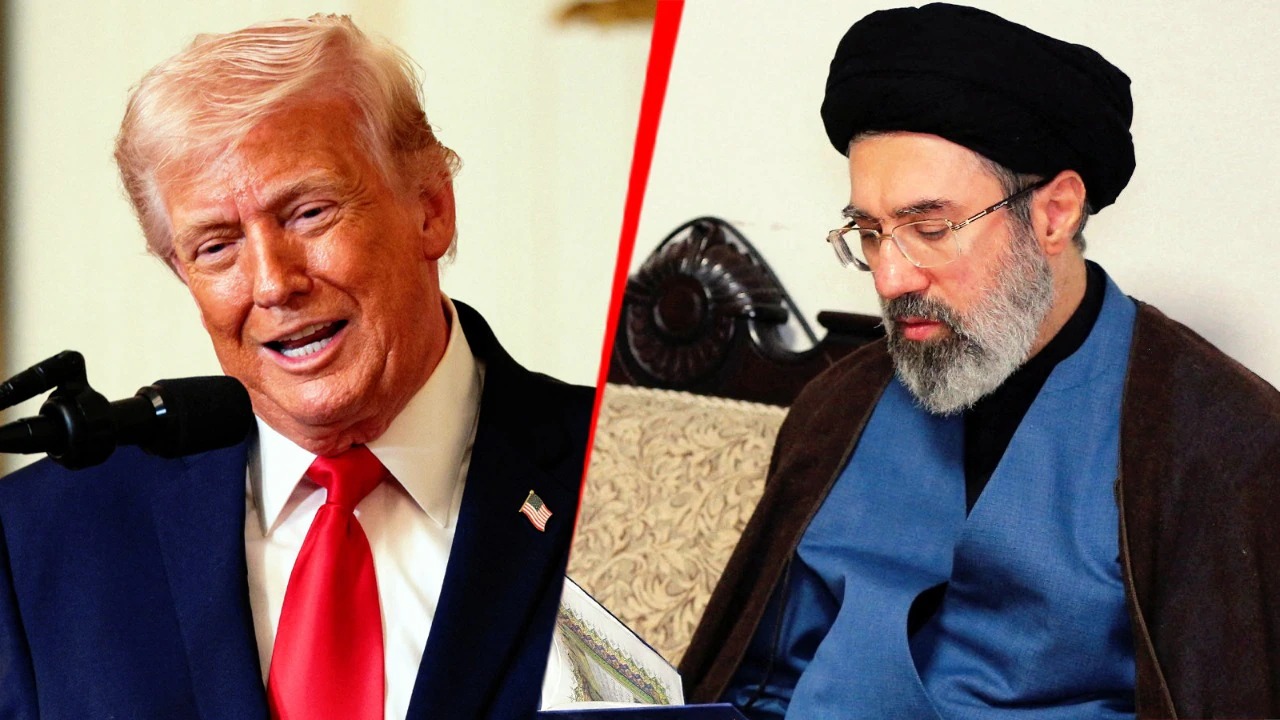
TEHRAN — Negotiations between Iran and the United States aimed at securing a final agreement over Tehran’s nuclear program are projected to commence on Friday, June 19, 2026. Iranian Foreign Minister Abbas Araghchi formally confirmed the upcoming diplomatic track on Tuesday, following a comprehensive framework memorandum of understanding (MoU) brokered by international mediators to permanently end the recent West Asia conflict. The impending technical talks mark a critical turning point for global energy security, international maritime commerce, and non-proliferation enforcement across the Middle East.
Establishing the Nuclear Negotiation Timeline
According to statements broadcast on Iranian state television during a briefing with foreign diplomats, the two long-standing adversaries will initiate intensive direct discussions at a European venue that has yet to be finalized. The diplomatic push follows a preliminary framework signed earlier this week, which instituted an immediate and permanent termination of military hostilities across all regional fronts.
The initial MoU establishes a strict 60-day window for both Washington and Tehran to hammer out a legally binding, long-term treaty. While the preliminary agreement successfully implemented a ceasefire and broke a destructive maritime gridlock, U.S. officials have acknowledged that the document is highly generalized, spanning less than two pages. The upcoming June 19 sessions will shift entirely to technical details, primarily focused on the exact boundaries of Iran's uranium enrichment capabilities, verification protocols, and the legal mechanics of Western economic sanctions relief.
Reopening the Strait of Hormuz
The immediate economic impact of the diplomatic breakthrough has already materialized across international markets. U.S. President Donald Trump announced that the strategic Strait of Hormuz—a vital maritime chokepoint through which approximately one-fifth of global oil and gas trade flows—will be "completely open" and entirely toll-free by Friday, June 19. The regional naval blockade, initially enforced by the United States following the outbreak of hostilities in late February, is being dismantled systematically.
Global energy markets reacted rapidly to the de-escalation, with Brent crude prices sliding nearly 4% to settle around $83.88 per barrel. Maritime shipping lines have welcomed the development, though logistics executives note it may take several months for commercial infrastructure to return to pre-war operational baselines. To support the security architecture of the waterway, European allies are reportedly evaluating options to deploy naval assets to safeguard the critical trade corridor.
Official Sources Section
The diplomatic timelines, operational frameworks, and institutional positions cited in this report have been verified through:
Official television broadcasts and press briefs from the Ministry of Foreign Affairs of the Islamic Republic of Iran.
Executive statements posted by the Executive Office of the President of the United States via verified White House communications.
Official diplomatic briefs filed by the Prime Minister's Office of Pakistan and the Ministry of Foreign Affairs of Qatar, serving as the primary neutral intermediaries.
Executive Statements
"Likely on Friday, at a location to be determined... a new round of negotiations between Iran and the United States to reach a final agreement will begin," stated Iranian Foreign Minister Abbas Araghchi. He noted that the terms of managing Iran's nuclear program would be finalized during the 60 days following the formal signing of the initial agreement.
"The Deal with the Islamic Republic of Iran is now complete," U.S. President Donald Trump posted on social media. "I hereby fully authorize the toll-free opening of the Strait of Hormuz, and, simultaneously herewith, authorize the immediate removal of the United States Naval blockade. Ships of the World, start your engines. Let the oil flow!"
Confirming verification measures, U.S. Vice President JD Vance stated in an interview with NBC News that international nuclear inspectors will "absolutely" be permitted to return to Iranian facilities as an existential component of the comprehensive peace pact.
Why It Matters
For global consumers and energy businesses, the stabilization of the Strait of Hormuz provides critical protection against runaway double-digit inflation and fuel shocks.
For international investors and financial markets, the transition from an active military conflict to a structured, 60-day diplomatic negotiation eliminates a massive source of geopolitical risk. While the fundamental nuclear disputes remain structurally complex, the cessation of active blockades drastically lowers maritime insurance premiums and unblocks stuck global supply chains.
Key Facts at a Glance
Start Date: Technical negotiations for a final treaty are scheduled to begin on Friday, June 19, 2026.
Core Constraint: The framework mandates a 60-day window to finalize limits on uranium enrichment and verify compliance.
Economic Relief: The United States has authorized the toll-free reopening of the Strait of Hormuz and the lifting of its naval blockade.
Inspectors Returning: U.S. Vice President JD Vance confirmed that international nuclear inspectors will secure absolute access to Iranian nuclear sites.
Asset Release: Reports indicate Washington may facilitate the conditional release of billions in frozen Iranian assets as compliance milestones are achieved.
FAQ Section
Q1: Is this upcoming June 19 meeting a final peace treaty?
No. The meeting on June 19 marks the signing of an interim framework and the immediate launch of technical negotiations aimed at producing a final, legally binding agreement within 60 days.
Q2: What is happening to the Strait of Hormuz right now?
Commercial ships have begun moving through the waterway again. President Trump confirmed the naval blockade is being removed, and the strait is projected to be fully clear and toll-free by June 19.
Q3: Will international inspectors be allowed back into Iran?
Yes. The U.S. executive administration verified that a primary pillar of the security framework involves the absolute return of international nuclear monitors to verify non-proliferation parameters.
Source: