The Brihanmumbai Municipal Corporation (BMC) has extended the banker bidding deadline for its upcoming 1,000 crore rupee green municipal bond issue. The delay allows institutions more time to formulate underwriting bids for the debut, which will secure funding for Mumbai’s multi-billion dollar environmental infrastructure projects.
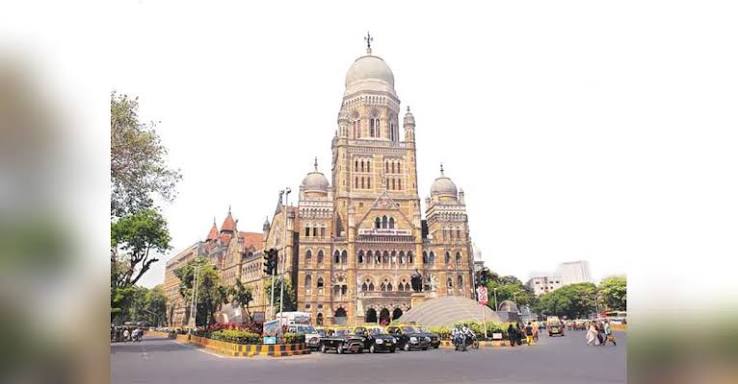
MUMBAI, June 16, 2026 — The Brihanmumbai Municipal Corporation (BMC), widely recognized as India’s richest civic body, has adjusted the operational schedule for its highly anticipated entry into the local-currency bond market. According to administrative updates from the provincial government's procurement apparatus, the municipal body extended the original June 15 deadline for merchant banking institutions to submit formal underwriting and arrangement proposals.
The tactical delay gives domestic banks more time to clear internal compliance reviews and structure long-term capital commitments. The civic body is looking to secure lead managers for a borrowing program that could eventually top 95 billion Indian Rupees (INR), starting with an initial 10 billion rupee tranche.
Technical Bid Opening Adjusted for Top-Tier Underwriters
Prior to the extension, the municipal authority had ordered prospective merchant bankers to finalize all documentation by mid-June, with technical bid evaluations slated to begin immediately after. Local treasury departments verified that more than a dozen high-profile financial institutions—including HDFC Bank, YES Bank, and SBI Capital Markets—have already participated in pre-bid discussions to iron out the structural mechanics of the debt sale.
The primary condition enforced by municipal administrators requires participating syndicates to provide a firm capital commitment to mobilize at least 10 billion rupees for the initial market float. While the timeline expansion delays the opening of technical bid folders, market analysts state the pause will likely enhance overall pricing efficiency. The extended window allows institutions to sharpen interest rate projections amid fluid macroeconomic variables in the wider domestic fixed-income market.
Financing India's Largest Urban Infrastructure Deficit
The shift toward public debt issuance marks a historic turning point for Mumbai's civic planners, who have historically relied entirely on state grants, property taxes, and a massive internal reserve corpus. However, aggressive expansion plans have pushed the corporation's capital liabilities to approximately 2.40 lakh crore rupees. This structural load stems from an array of concurrent mega-infrastructure developments across the metropolis.
As illustrated above, out of the BMC’s standing 81,774 crore rupee reserve pool, only 49 percent—roughly 39,500 crore rupees—is legally liquid and uncommitted for active project allocation. This leaves a severe capital deficit that traditional tax levies cannot cover in the near term. The upcoming capital generation program will specifically target environment-centric utilities under a dedicated "green bond" framework. This includes constructing seven multi-billion rupee sewage treatment facilities, the Gargai dam water security asset, and the city’s landmark coastal desalination plant.
Official Sources Section
The underlying fiscal targets, tender amendments, and project liability data are tracked through formal public administration mechanisms:
Quote Section
"According to officials familiar with the treasury's target parameters, extending the procurement window ensures maximum participation from top-tier institutional arrangers," a civic financial officer noted. "Organizers stated that securing competitive pricing metrics on our initial float is critical since this framework establishes the long-term yield curve for Mumbai’s future infrastructure debt."
Why It Matters
For citizens and market participants, the execution of municipal bonds alters how urban public utilities are financed in India. Tapping deep capital markets reduces the direct pressure on municipal tax rates, keeping public services affordable. For international and domestic fixed-income investors, the launch offers access to premium, highly secure municipal paper backed by the BMC's structural AAA credit rating, introducing fresh liquidity into a segment that currently accounts for less than 1 percent of India's overall bond market.
Key Facts at a Glance
Total Debt Pipeline: The overarching municipal plan permits raising up to 95 billion rupees in multiple tranches.
Initial Float Target: The premier tranche aims to generate 10 billion rupees ($120 million) explicitly under green guidelines.
Central Government Incentives: The issuance is eligible for a 100 crore rupee fiscal incentive under the central government's AMRUT 2.0 urban renewal mandate.
Mandatory Compliance: The civic body has independently initiated the appointment of a SEBI-registered credit rating agency to finalize its premium investment grade.
Frequently Asked Questions
Why did the BMC decide to issue municipal bonds instead of using its cash reserves?
While the BMC holds large reserves, a major portion is tied up in existing commitments. With long-term infrastructure liabilities reaching 2.40 lakh crore rupees, the civic body needs to build a secondary funding channel to prevent completely draining its liquid cash reserves.
What are the specific environmental targets of these proposed green bonds?
The funds raised will go toward climate-resilient urban systems in Mumbai. Key projects include constructing seven advanced wastewater treatment plants, developing the Gargai dam, and building a large-scale seawater desalination facility.
How does the central government support municipal bond offerings?
Under the federal AMRUT 2.0 urban development mission, the Ministry of Housing and Urban Affairs provides a cash incentive of 100 crore rupees to local authorities for any successful single municipal bond sale that crosses the 1,000 crore rupee milestone.
Source: Government of Maharashtra Procurement Portal, Brihanmumbai Municipal Corporation Treasury Reports, Securities and Exchange Board of India (SEBI) Municipal Debt Data