Nine Indian states raised ₹204.61 billion through the auction of State Development Loans on June 16, 2026, slightly missing the ₹216 billion target. Managed by the RBI, the borrowing supports state capital projects. The shortfall suggests states are prioritizing lower interest costs over total volume amidst stable market demand.
MUMBAI - Nine Indian state governments successfully mobilized ₹204.61 billion (approximately $2.44 billion) through the auction of State Development Loans (SDLs) on Tuesday, June 16, 2026. While the fundraise marks a significant liquidity injection for state-level infrastructure and developmental projects, the final amount remained slightly below the cumulative notified target of ₹216 billion.
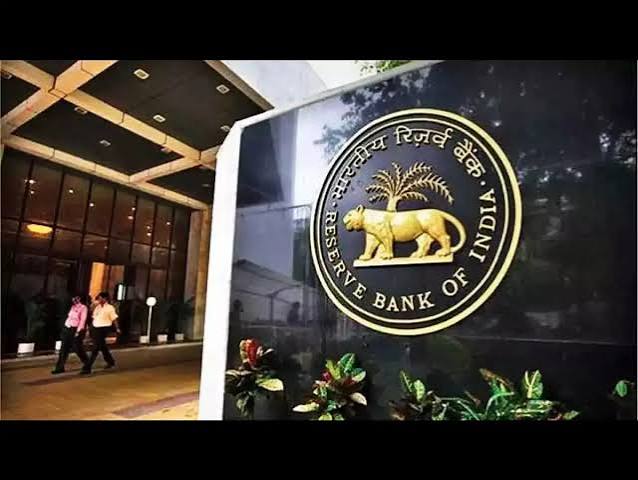
The auction, conducted by the Reserve Bank of India (RBI) on its dedicated e-Kuber core banking platform, saw varied participation from state treasuries as they navigate the first quarter (Q1) of the 2026-27 financial year.
State Borrowing Trends and Market Performance
The Reserve Bank of India, acting as the debt manager for state governments, confirmed that the primary objective of the issuance is to fund capital expenditures and budgetary requirements for the ongoing fiscal year.
According to data released following the auction, the decision by some states to accept lower-than-notified amounts suggests a strategic move to manage interest costs. Market analysts indicate that "cut-off" yields—the interest rates states agree to pay—remained competitive, reflecting stable investor appetite despite the marginal shortfall in the total raised amount.
Participation and Tenors
The participating states offered a mix of tenors ranging from 10 to 30 years. This duration diversity allows state governments to align their debt repayment schedules with the long-term nature of the infrastructure projects they are funding, such as irrigation, highway expansion, and urban development.
Target Notified Amount: ₹216 Billion
Actual Amount Raised: ₹204.61 Billion
Participation: 9 State Governments
Impact on Investors and State Finances
The lower-than-targeted borrowing is often viewed by investors as a sign of fiscal discipline or a reaction to prevailing market yields. For institutional investors—such as insurance companies and provident funds—these SDLs offer a safe, sovereign-backed investment vehicle with yields typically higher than Central Government Securities (G-Secs).
For citizens, the successful raising of over ₹204 billion ensures that state-sponsored welfare schemes and public works remain funded without immediate liquidity crunches. However, the consistent reliance on market borrowings continues to draw attention to the long-term debt-to-GDP ratios of various Indian states.
Official Sources Section
Information regarding the auction results was derived from the official press releases and data disseminated by the Reserve Bank of India (RBI). Market borrowing calendars for the first quarter (April–June 2026) were pre-notified by the central bank in consultation with state finance ministries.
Quote Section
"The auction results reflect a nuanced approach by state treasuries to balance their immediate funding needs against market pricing. According to officials familiar with the process, the decision to raise slightly less than the notified amount often stems from a rejection of higher-yield bids to prevent an increase in the state's interest burden."
Why It Matters
This development is a key indicator of the fiscal health and borrowing appetite of India's provincial governments. It impacts:
Investors: Provides clarity on the yield spread between state and central debt.
Businesses: Infrastructure spending funded by these loans creates contracts and demand in the construction and engineering sectors.
Taxpayers: Efficient debt management by states helps prevent future tax hikes or service cuts.
Key Facts at a Glance
Total Raised: Nine states raised ₹204.61 billion via market loans.
Target Shortfall: The amount was roughly ₹11.39 billion lower than the initial ₹216 billion target.
Platform: The auction was facilitated via the RBI's e-Kuber system.
Purpose: Funds are designated for state-level capital expenditure and fiscal management for FY 2026-27.
FAQ Section
1. What are State Development Loans (SDLs)?
SDLs are dated securities issued by state governments to raise funds from the market. They are similar to Central Government Securities but are issued by individual states to meet their specific budgetary requirements.
2. Why did the states raise less than the target?
States may raise less than the notified amount if they find the interest rates (yields) demanded by investors too high. By rejecting expensive bids, they maintain a lower cost of debt.
3. Who regulates these auctions?
The Reserve Bank of India (RBI) manages and regulates the auction process for both Central and State government debt in India.
4. How can individual investors participate?
Retail investors can participate in these auctions through the RBI Retail Direct portal, allowing them to invest in sovereign-backed state debt.
Source: Reserve Bank of India (RBI), Ministry of Finance