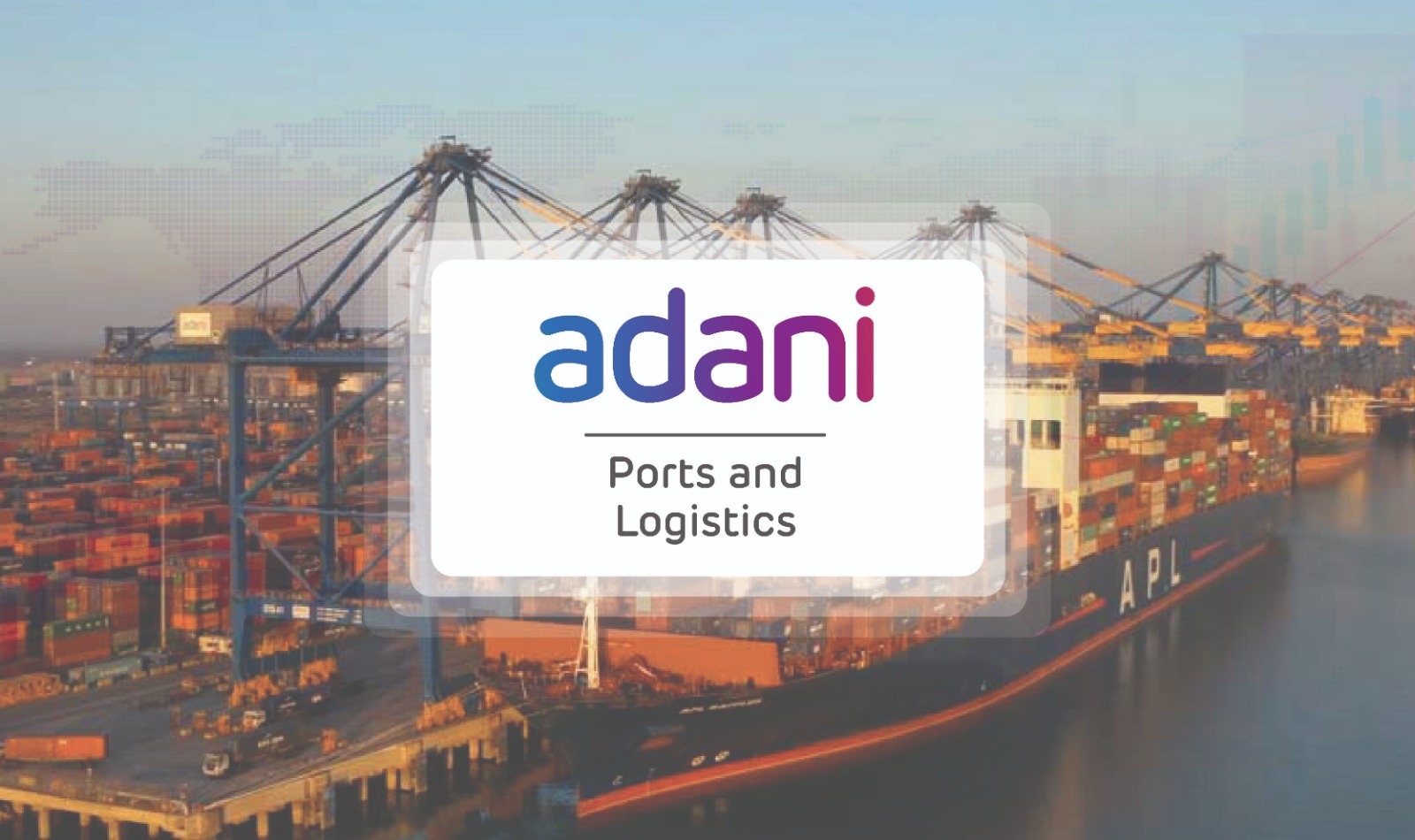
Adani Ports and Special Economic Zone Limited (APSEZ) announced a 15% year-on-year growth in total cargo volume to 138.1 MMT for Q1 FY27. The expansion was supported by a strong performance in June 2026, which saw a 13% rise to 46.8 MMT, driven by container and liquid volumes.
MUMBAI — Adani Ports and Special Economic Zone Limited (APSEZ) (NSE: ADANIPORTS) announced a major operational surge for the first quarter of the financial year 2026–27, reporting a 15% year-on-year increase in total cargo volume. The Ahmedabad-headquartered port developer filed its provisional operational updates with Indian stock exchanges, revealing robust demand across its maritime and logistics network during the initial months of the fiscal period.
According to official compliance filings submitted to the BSE Limited and the National Stock Exchange of India (NSE), the logistics operator managed a cumulative cargo volume of 138.1 million metric tonnes (MMT) during Q1 FY27, moving up from the corresponding baseline in the previous fiscal year. The jump follows a record-breaking performance in June 2026, during which the firm handled 46.8 MMT of cargo, marking a 13% year-on-year expansion for the month.
Strategic Terminals Fuel Growth Amid Global Trade Disruptions
The operational numbers released for the period ending June 30, 2026, highlight the compounding scale of APSEZ’s domestic terminal footprint. Growth was primarily anchored by a significant ramp-up in the container and liquid cargo verticals across its multi-port network.
The company's primary maritime hub at Mundra Port in Gujarat continues to lead the volume surge. Further volume contributions were recorded at newly operationalized international assets and localized expansions on India’s eastern and western coasts, including the ongoing commercial stabilization of the Vizhinjam International Deepwater Multipurpose Seaport in Kerala. The cargo volume growth reflects India’s resilient export-import (EXIM) demand, even as global maritime routes navigate ongoing geopolitical headwinds and tariff uncertainties.
Logistics and Intermodal Variations Under Review
While maritime cargo volumes grew rapidly, the provisional updates indicated a structural variance within the company’s inland intermodal networks. APSEZ reported that its logistics rail volume for the quarter stood at 145,310 TEUs (Twenty-Foot Equivalent Units), experiencing a 19% year-on-year decline.
Industry analysts suggest that the temporary contraction in rail container volumes stems from optimization adjustments within domestic container terminal lines and localized rolling stock reallocations. To balance this out, APSEZ has been aggressively expanding its asset-light trucking ecosystems and building out its International Freight Network services to maintain a comprehensive "shore-to-door" logistics chain.
Official Sources Section
The provisional volume statistics cited in this report are based on the official monthly operational filings and press releases issued by Adani Ports and Special Economic Zone Limited to domestic market regulators under SEBI obligations. The complete financial performance review and audited figures for Q1 FY27 are scheduled to be formally evaluated during the bank's upcoming Board of Directors meeting on July 29, 2026.
Quote Section
"According to officials, the continuous year-on-year expansion in our maritime cargo throughput underscores the strategic placement and operating efficiency of our major ports, positioning the group firmly toward its long-term container handling targets."
Why It Matters
For global shipping lines and industrial businesses, APSEZ's 15% cargo volume increase indicates reliable port efficiency and stable turnaround times across Indian supply corridors. For public market investors, the strong 46.8 MMT handling volume achieved in June 2026 reinforces confidence in the company’s capital allocation strategy. This progress supports its public target of achieving 1 billion tonnes of throughput capacity by 2030.
Key Facts at a Glance
Quarterly Milestone: Total cargo volume reached 138.1 MMT in Q1 FY27, accelerating 15% compared to the prior fiscal year.
June Acceleration: June 2026 monthly traffic climbed to 46.8 MMT, registering a clear 13% year-on-year increase.
Rail Logistics: Intermodal container rail volumes recorded a 19% drop during the quarter to 145,310 TEUs.
Strategic Target: The company commands approximately 27% to 28% of India's total domestic port volumes.
FAQ Section
What was the total cargo volume handled by Adani Ports in Q1 FY27?
Adani Ports handled a cumulative cargo volume of 138.1 MMT during the first quarter of the 2026–27 financial year, a 15% growth year-on-year.
How did Adani Ports perform specifically in June 2026?
In June 2026, the company recorded a cargo volume of 46.8 MMT, translating to a 13% year-on-year expansion for the month.
Why did the logistics rail volume decline during the quarter?
Logistics rail volume fell 19% to 145,310 TEUs, due to operational reallocations and localized routing adjustments within the company's broader integrated supply networks.
Source: Adani Ports Investor Disclosures via NSE India