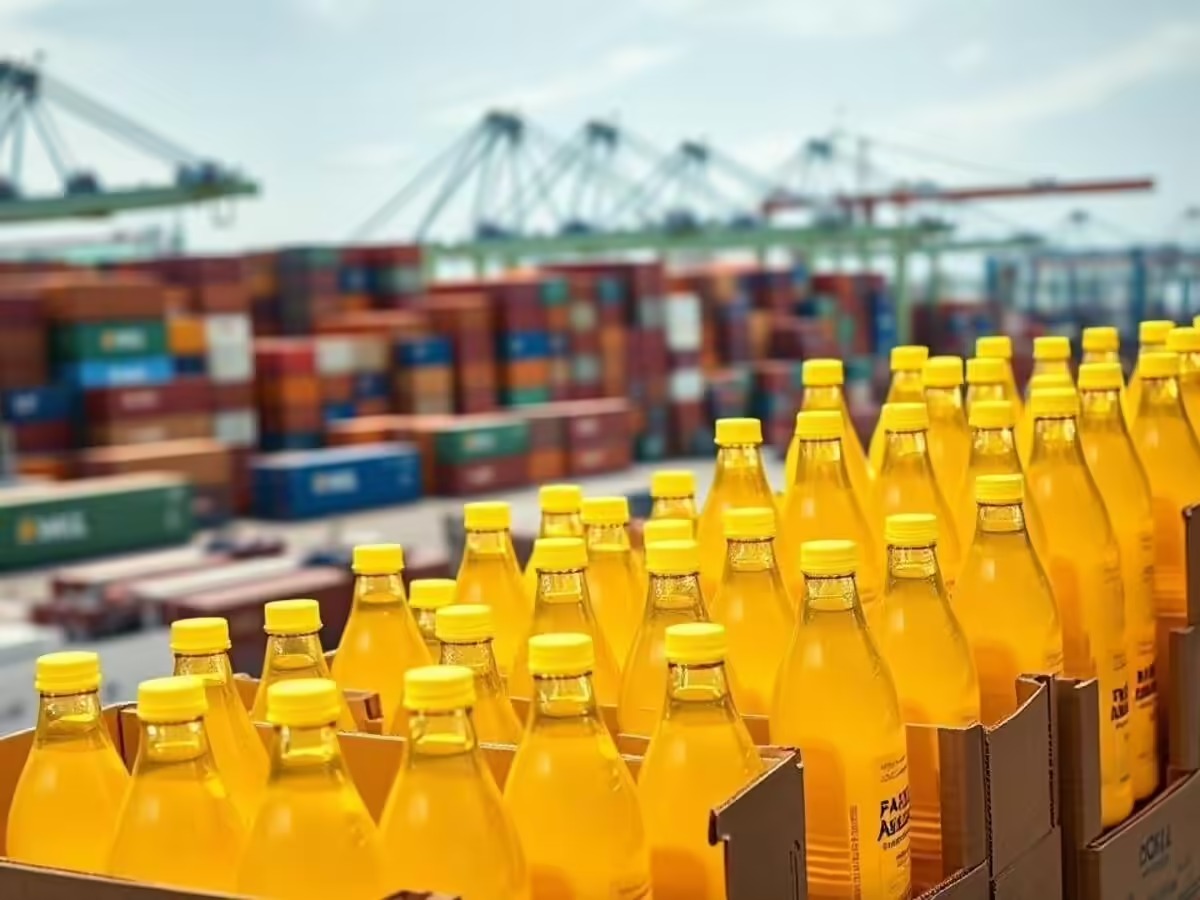
India's edible oil imports hit a 14-month low of 1.1 million metric tons in June 2026, a 16.6% month-on-month decline. Palm oil imports dropped 10.5%, sunflower oil fell 17.5%, and soyoil also saw a decrease. The decline is attributed to high domestic stocks and cautious buying by refiners amid global price volatility.
India’s edible oil imports witnessed a significant contraction in June 2026, dropping 16.6% month-on-month to approximately 1.1 million metric tons. Market data released by industry dealers on Thursday indicates that this is the lowest import volume recorded in 14 months, as domestic buyers exercised caution amid price fluctuations in the international market.
The decline was observed across all major categories of vegetable oils, including palm oil, soyoil, and sunflower oil, signaling a shift in procurement patterns among major refiners. Traders suggest that high stock levels from previous months, combined with a narrowing gap between domestic and international prices, have prompted Indian importers to slow down overseas purchases.
Sharp Decline in Palm and Soft Oil Imports
Palm oil, which traditionally accounts for a substantial share of India’s import basket, saw a notable decrease in June. Imports of palm oil fell 10.5% compared to the previous month, reaching 492,000 metric tons—the lowest volume recorded in 14 months. The decline reflects a cautious approach by Indian refiners who have been managing surplus inventories while waiting for more favorable global price signals.
The soft oil category also mirrored this downward trend. Sunflower oil imports plummeted by 17.5% month-on-month, totaling 244,000 metric tons, marking a three-month low. Simultaneously, imports of soyoil dropped to 381,000 metric tons for the same period. The cumulative effect of these drops has solidified the overall 16.6% decline in total edible oil imports, a trend that could influence retail prices in the domestic market if sustained.
Market Factors and Supply Dynamics
India, the world's largest importer of vegetable oils, relies on supplies from Indonesia, Malaysia, Argentina, and the Black Sea region to meet its domestic consumption needs. The recent dip in June edible oil imports is largely attributed to domestic refiners reducing their reliance on imports as they focus on clearing local stockpiles that accumulated during the preceding months.
According to market dealers, the softening of demand is also linked to the arrival of domestic mustard seeds in the market, which has provided a competitive alternative to imported oils for many Indian consumers. Furthermore, the volatility in global commodity markets has forced refiners to adopt a “hand-to-mouth” buying strategy, prioritizing immediate requirements over large-scale forward purchasing.
Impact on Consumers and Businesses
For Indian households and food businesses, the reduction in imports may serve as a stabilizing factor for retail prices in the short term, provided domestic production remains steady. However, analysts warn that if India’s dependence on imports remains high, any further global supply shocks or adverse weather patterns in exporting nations could lead to renewed price pressure later in the year.
Businesses operating in the fast-moving consumer goods (FMCG) sector are expected to closely monitor these import trends, as edible oil costs represent a significant component of their overall manufacturing expenses.
Quote Section
"According to market dealers, the drop in June edible oil imports was primarily driven by high domestic inventory levels and a strategic decision by refiners to curtail expensive foreign purchases while global market prices remain volatile."
Why It Matters
This data provides a critical pulse on India’s food security and inflation metrics. Because India imports a large portion of its edible oil, the volume of monthly imports is a leading indicator for supply-side stability. A 14-month low in total volumes highlights a period of adjustment for the local industry as it balances stock management with international market pricing.
Key Facts at a Glance
Total Import Volume: Dropped 16.6% month-on-month to 1.1 million metric tons.
Palm Oil: Fell 10.5% to 492,000 metric tons, a 14-month low.
Sunflower Oil: Dropped 17.5% to 244,000 metric tons, a three-month low.
Soyoil: Decreased to 381,000 metric tons.
Context: Overall import volume is at its lowest point in 14 months.
FAQ
Why did edible oil imports drop so significantly in June?
The drop is primarily due to high domestic stockpiles, lower demand from refiners, and the availability of alternative domestic oils like mustard oil.
Is this decline expected to continue?
Market experts suggest that import levels will fluctuate based on the global price parity and the pace at which existing inventory is consumed by the domestic market.
How does this affect retail prices in India?
Reduced import volumes usually occur when domestic availability is sufficient; therefore, this trend may help keep retail prices stable in the near term.
Official Sources