




Loading market data...
ADVERTISEMENT

Latest Top News
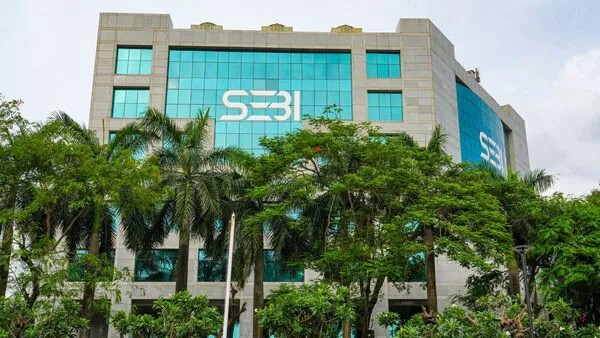
Agri Markets Rebooted: SEBI Extends Derivative Blackout on Key Staples—Game-Changer Ahead?
SEBI has prolonged the ban on derivative trading for paddy (non-basmati), wheat, channa, crude palm oil, soya bean, and mustard seeds till March 31, 2027, aiming to curb speculation and stabilize prices amid volatile agri markets. This extension builds on prior suspensions to protect farmers and consumers from excessive volatility in essential commodities.
Stay Ahead – Explore Now! Wedding Math: ChatGPT Prompts New Budget Rules for Urban Couples
ADVERTISEMENT

Latest Updates

From Silt to Sustainability: BMC Starts Rejuvenati...
15 Jun 2026, 02:01 PM
Jharkhand Secures GI Tags for Bhagaiya Silk and Tr...
15 Jun 2026, 02:24 PM
Reel Deal: Mumbai International Film Festival 2026...
15 Jun 2026, 10:07 PM
Nepal Tea Trade: Factories Shut Down Over India’s...
15 Jun 2026, 10:03 PM
Motorola’s Foldable Fold-Off: Which New Razr Fits...
15 Jun 2026, 09:59 PMADVERTISEMENT

Top Stories
From Silt to Sustainability: BMC Starts Rejuvenati...
15 Jun 2026, 02:01 PM
Jharkhand Secures GI Tags for Bhagaiya Silk and Tr...
15 Jun 2026, 02:24 PM
Reel Deal: Mumbai International Film Festival 2026...
15 Jun 2026, 10:07 PM