




Loading market data...
ADVERTISEMENT

Latest Top News
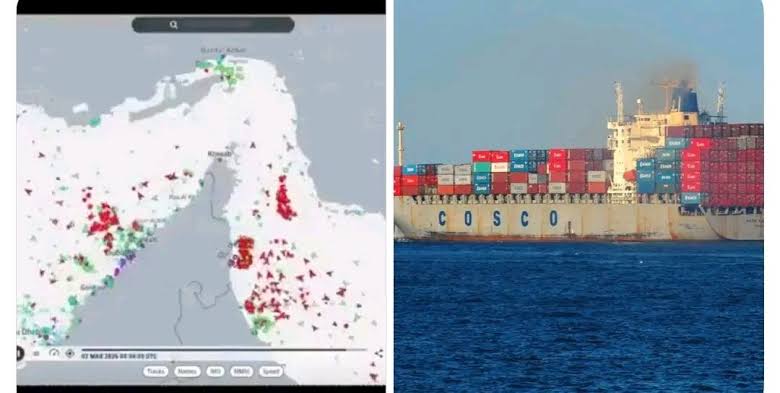
Gulf Plot Twist – Chinese Vessels Reverse in Strait of Hormuz Standoff
Two Chinese container ships attempting to exit the Gulf via the Strait of Hormuz were forced to turn back on Friday, according to real-time ship-tracking data. This incident underscores escalating maritime security concerns in this vital global chokepoint for oil and container shipping.
Stay Ahead – Explore Now! Crime Patrol Producer Shafeeq Rahman Announces Maiden Hollywood Film
ADVERTISEMENT

Latest Updates

Instamart Inks Growth: Dhanya Hemanth Raj Named Ma...
15 Jun 2026, 11:52 PM
Sri Lanka 'A' Edge India 'A' in Heated Super Over...
15 Jun 2026, 11:47 PM
Mercedes-Benz India Steers Past Headwinds to Fuel...
15 Jun 2026, 11:45 PM
Sanon’s Andheri Asset Action: Family Bags ₹4.6 Cr...
15 Jun 2026, 11:42 PM
Banking on Trust: RBI Bans Coercive Bundling and A...
15 Jun 2026, 11:39 PMADVERTISEMENT

Top Stories
Instamart Inks Growth: Dhanya Hemanth Raj Named Ma...
15 Jun 2026, 11:52 PM
Sri Lanka 'A' Edge India 'A' in Heated Super Over...
15 Jun 2026, 11:47 PM
Mercedes-Benz India Steers Past Headwinds to Fuel...
15 Jun 2026, 11:45 PM