




Loading market data...
ADVERTISEMENT

Latest Top News
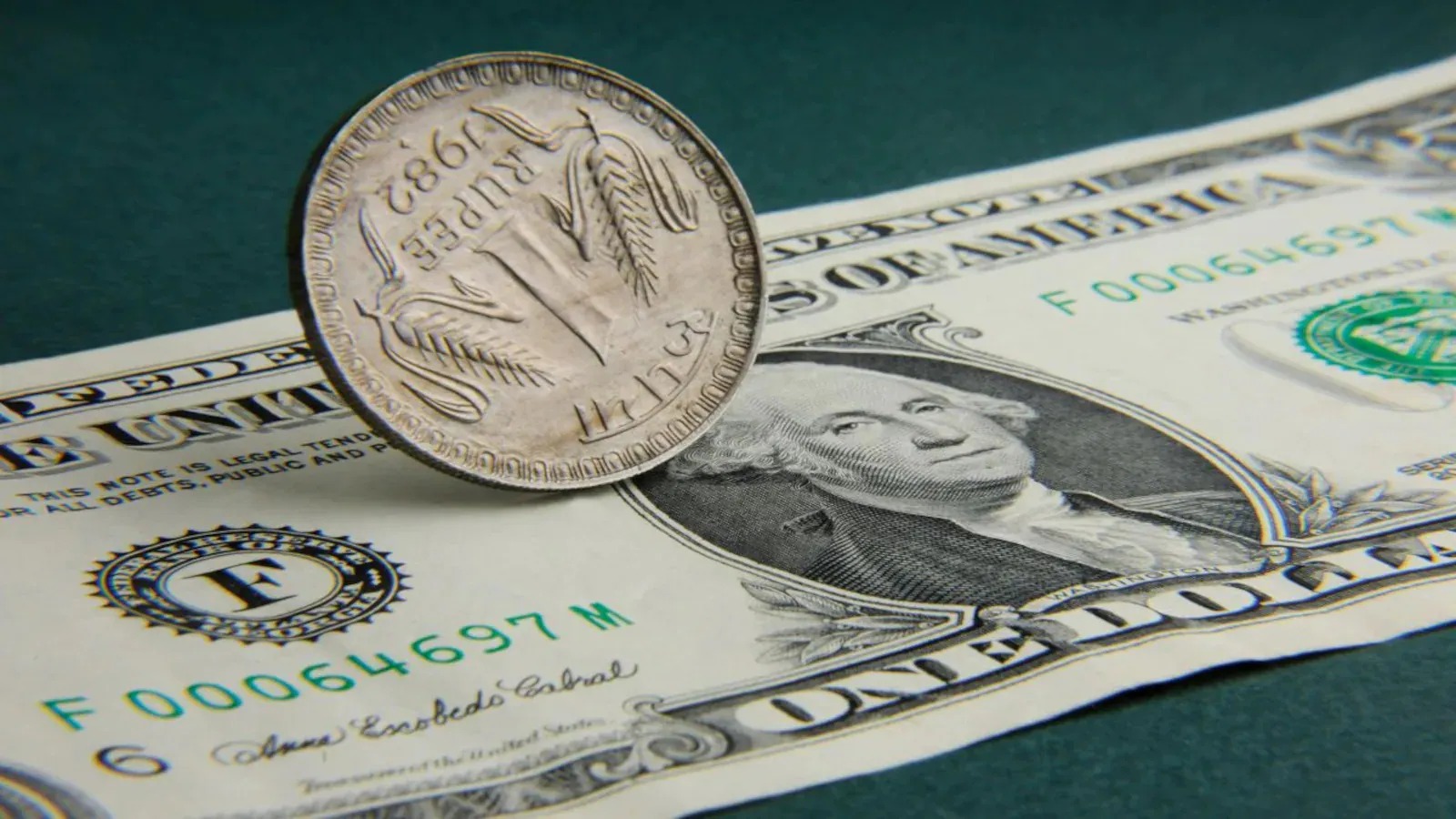
Indian Rupee Hits Record Closing Low Against U.S. Dollar
The Indian rupee ended at a record closing low of 93.9750 per U.S. dollar, slipping 0.3% in a single day. The decline reflects global dollar strength, rising crude oil prices, and persistent foreign outflows, raising concerns about inflationary pressures and import costs for the Indian economy.
Stay Ahead – Explore Now! Sula Vineyards to Sell Registered Office for ₹27 Crore
ADVERTISEMENT

Latest Updates

Jharkhand Secures GI Tags for Bhagaiya Silk and Tr...
15 Jun 2026, 02:24 PM
Reel Deal: Mumbai International Film Festival 2026...
15 Jun 2026, 10:07 PM
Nepal Tea Trade: Factories Shut Down Over India’s...
15 Jun 2026, 10:03 PM
Motorola’s Foldable Fold-Off: Which New Razr Fits...
15 Jun 2026, 09:59 PM
Pink Wins: Kareena Kapoor Steals the Show in Banar...
15 Jun 2026, 09:56 PMADVERTISEMENT

Top Stories
Jharkhand Secures GI Tags for Bhagaiya Silk and Tr...
15 Jun 2026, 02:24 PM
Reel Deal: Mumbai International Film Festival 2026...
15 Jun 2026, 10:07 PM
Nepal Tea Trade: Factories Shut Down Over India’s...
15 Jun 2026, 10:03 PM