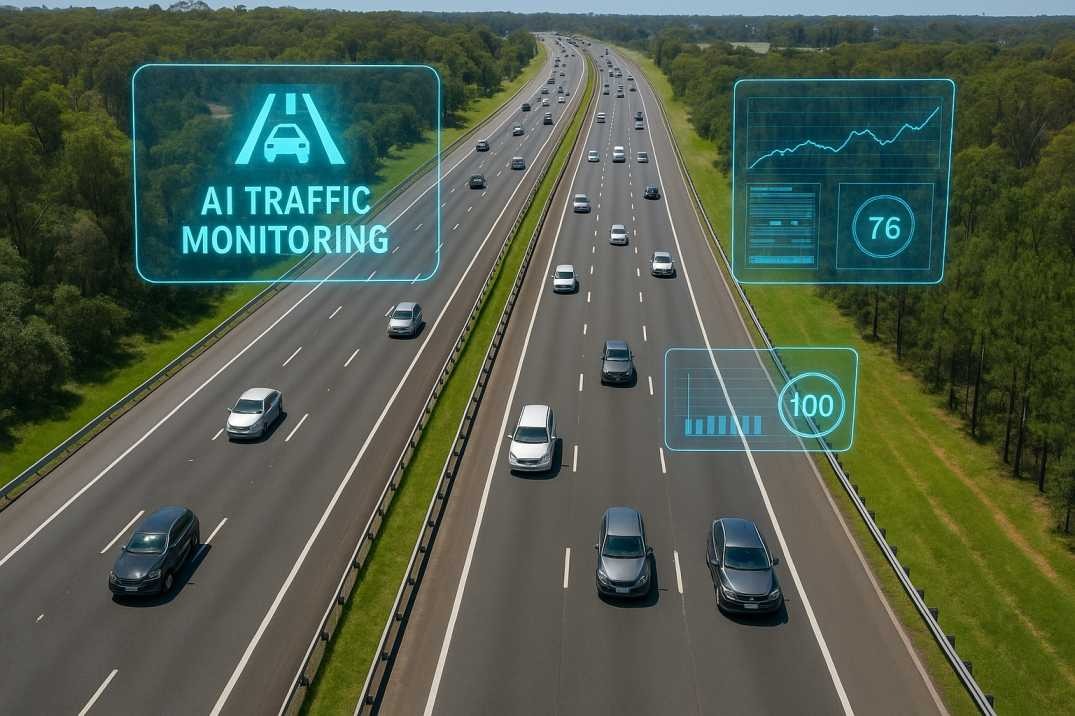
HCLTech and Transport for NSW have signed an agreement to explore artificial intelligence-driven enhancements for the Sydney Coordinated Adaptive Traffic System. Announced during an official trade mission, the partnership aims to scale advanced traffic management solutions across complex international urban markets.
HCLTech has partnered with Transport for NSW to explore artificial intelligence-driven traffic management insights leveraging the Sydney Coordinated Adaptive Traffic System (SCATS).
Technology major HCLTech and Australia's Transport for NSW have signed a strategic memorandum of understanding to investigate advanced artificial intelligence (AI) integrations for urban traffic management. Announced during a New South Wales government trade mission to India on Wednesday, September 3, 2026, the collaboration aims to adapt the globally recognized Sydney Coordinated Adaptive Traffic System (SCATS) for complex urban environments, particularly focusing on multi-lingual operational capabilities across Indian metropolitan centers.
Expanding SCATS Through Artificial Intelligence
The partnership combines Transport for NSW's established adaptive traffic control framework with HCLTech's engineering and artificial intelligence capabilities. SCATS has a long-standing international footprint, optimizing traffic signals and urban mobility across multiple countries.
Under the new agreement, technical teams will explore how generative AI and advanced analytics can process vast data streams from diverse urban transport networks. By addressing multi-language compatibility and localized operational parameters, the initiative seeks to make advanced traffic optimization more adaptable to densely populated developing markets.
Economic and Trade Implications
The agreement formed a core component of the New South Wales government's broader economic mission to India, led by state ministers seeking to expand technology exports and bilateral investment.
For municipal authorities, commuters, and transit planners, the integration of real-time AI analytics promises reduced congestion, lower vehicle emissions, and smarter urban mobility. Economically, successful deployment expands the reach of Australian government-owned technology assets, with commercial returns reinvested back into public transport infrastructure.
Official Sources Section
Details regarding the technology partnership, trade delegation objectives, and system integration scope are based on official announcements and joint releases from HCLTech and the New South Wales Government, alongside international trade disclosures reported by Reuters.
Quote Section
"According to officials and trade delegates, combining SCATS with advanced AI and engineering expertise creates powerful opportunities to deliver smart traffic insights across complex international urban markets."
Why It Matters
Urban congestion costs growing economies billions in lost productivity and environmental degradation. For municipal administrators and commuters, deploying AI-enhanced adaptive traffic systems translates to smoother traffic flows, reduced travel times, and more resilient city infrastructure.
Key Facts at a Glance
Partnership Entities: HCLTech and Transport for NSW.
Core Technology: Sydney Coordinated Adaptive Traffic System (SCATS) enhanced with artificial intelligence.
Announcement Context: Concluded during the New South Wales government trade mission to India.
Primary Objective: To explore AI-driven traffic insights and adapt traffic management software for multi-lingual urban markets.
Frequently Asked Questions
What is the focus of the partnership between HCLTech and Transport for NSW?
The collaboration explores integrating artificial intelligence into the SCATS platform to provide advanced traffic insights for complex urban markets.
What is SCATS?
The Sydney Coordinated Adaptive Traffic System is an internationally deployed traffic management technology owned by the NSW government.
Where was this agreement announced?
The agreement was officially unveiled during a New South Wales government trade delegation to India.
How will this impact urban commuters?
The integration aims to optimize traffic signal timings, alleviate severe urban congestion, and improve overall transit efficiency.
Source: HCLTech, New South Wales Government, Reuters