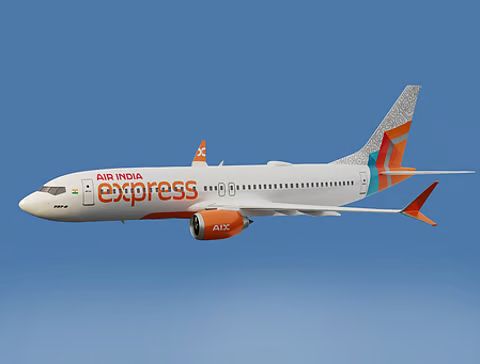
Air India Express has launched a direct service from Guwahati, providing a vital Gulf gateway for Northeast India. This strategic expansion improves regional connectivity, streamlines travel for workers and businesses, and marks a significant step in integrating the Northeast into the global aviation network by bypassing domestic transit requirements.
GUWAHATI — Air India Express, a subsidiary of the Tata Group, has officially launched a landmark air service connecting Guwahati, the gateway to Northeast India, directly with the Gulf region. The inaugural flight, which took off from Lokpriya Gopinath Bordoloi International Airport, marks a significant shift in the aviation landscape for the seven sister states, providing residents and migrant workers with seamless access to key Middle Eastern hubs.
This development follows months of negotiations between state authorities and airline officials to address the long-standing demand for direct international connectivity. By establishing this route, Air India Express aims to reduce travel time significantly for thousands of passengers who previously had to transit through major metros like Delhi or Mumbai to reach the Gulf.
Transforming Connectivity for Northeast India
For years, travelers from Assam and surrounding states have faced arduous journeys to reach employment hubs in the Middle East. The introduction of this Air India Express route serves as a strategic infrastructure boost for Northeast India, facilitating not just tourism but also the movement of labor and commercial goods.
State aviation officials emphasized that the move is part of a broader government push to integrate the Northeastern states into the global economy. By streamlining the travel process, the airline is responding to the specific demographic needs of the region, where a substantial number of individuals work in sectors across the UAE and Saudi Arabia.
Economic and Travel Impacts
The impact of this Air India Express expansion is expected to be felt across several sectors. For travelers, the direct flight eliminates the need for domestic layovers, thereby lowering overall travel costs and reducing the physical strain of long-haul journeys.
For the regional economy, the enhanced connectivity is anticipated to bolster trade and business partnerships. Business leaders in Guwahati have signaled that easier access to the Gulf could encourage investment in local industries, ranging from handlooms to tea exports, by providing a faster logistics link to international markets. Furthermore, the airline’s expansion plans suggest a commitment to maintaining competitive pricing, which is vital for the region's price-sensitive traveler base.
Strategic Operational Expansion
The route will be serviced by modern narrow-body aircraft, with Air India Express planning to increase frequency based on passenger load and demand patterns. Company officials noted that the launch is part of a wider network restructuring intended to capture the burgeoning demand from non-metro cities.
In terms of logistical support, the airport authority has upgraded immigration and customs facilities at Guwahati to handle the increased volume of international transit. According to the Airports Authority of India (AAI), the airport is undergoing continuous modernization to ensure it can support sustained international operations.
"Organizers stated that this new route reflects the airline’s commitment to providing affordable and direct travel options for the people of Northeast India, bridging the distance between local communities and the international market," according to officials from the regional aviation board.
Why It Matters
The commencement of this service is a milestone for regional development. It effectively removes a major barrier to international travel for the residents of Northeast India, providing them with the same connectivity enjoyed by residents of India's Tier-1 cities. The practical implication is a more connected workforce, easier access to healthcare and education hubs in the Gulf, and a new channel for regional business expansion.
Key Facts at a Glance
Carrier: Air India Express is operating the new route.
Hub: The service connects Guwahati (Northeast India) directly to the Gulf region.
Strategic Goal: To improve international connectivity and reduce travel time for labor and business passengers.
Infrastructure: Lokpriya Gopinath Bordoloi International Airport has upgraded its international processing facilities.
Market Impact: Expected to lower costs and boost trade for the region.
FAQ
Why is this Air India Express route significant?
It provides the first direct international flight connecting Northeast India to the Gulf, significantly reducing travel time for the region's residents.
Which airport in the Northeast is the gateway for this flight?
The service operates out of the Lokpriya Gopinath Bordoloi International Airport in Guwahati.
How will this impact travelers from the region?
Travelers will no longer need to transit through Delhi or Mumbai, saving both time and money on international travel.
What is the objective of the airline for this route?
The goal is to increase connectivity between tier-2 cities and the Gulf, catering to the growing demand for international transit.
Source: Air India Express, Ministry of Civil Aviation, Airports Authority of India (AAI)