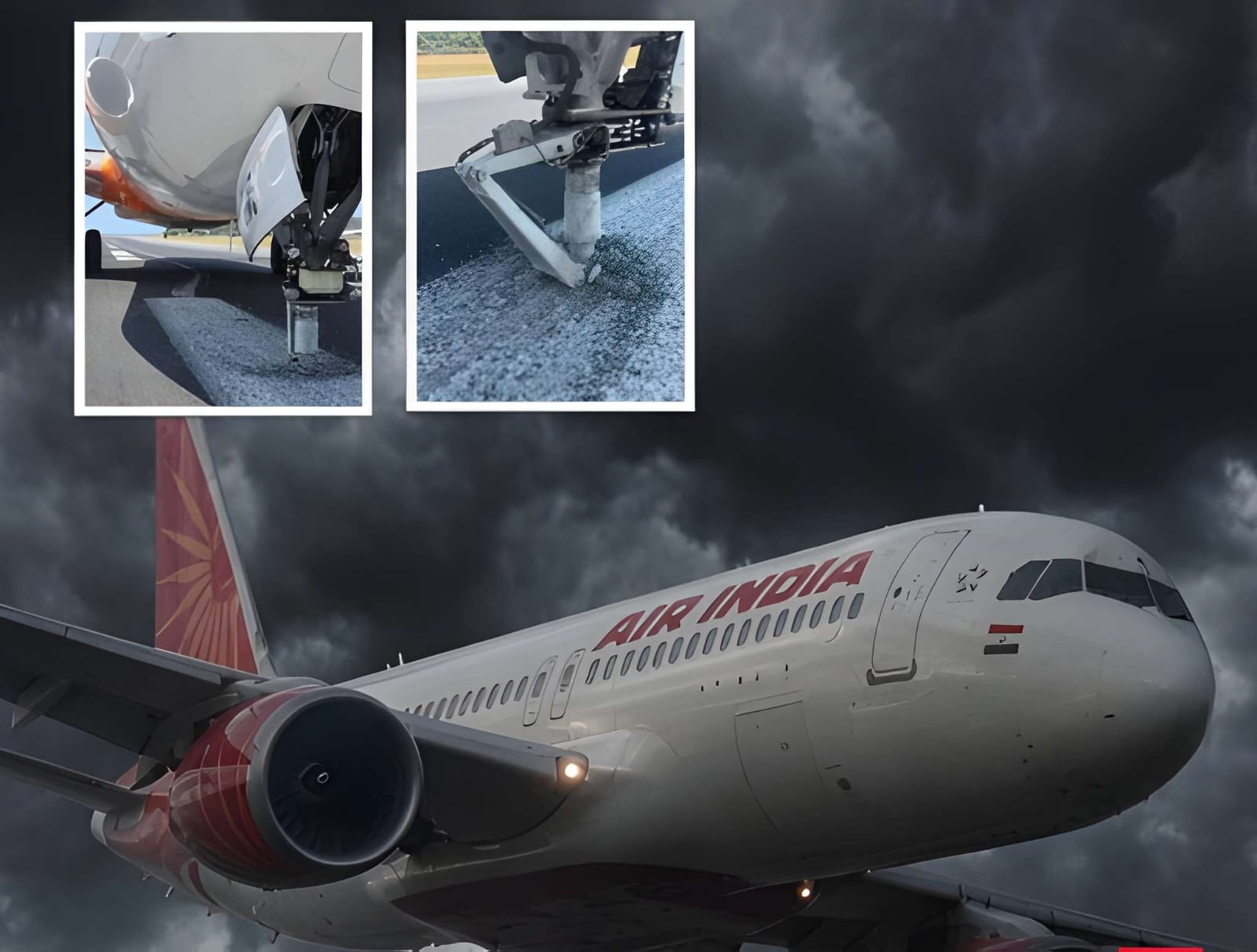
Indian authorities have secured both the flight data recorder and cockpit voice recorder from Air India Flight AI2379 following its flight from Phuket to Delhi. The aircraft has been moved to a hangar for detailed engineering inspections to ensure thorough safety and operational evaluation.
NEW DELHI — Indian government investigators have secured both the flight data recorder and the cockpit voice recorder from Air India Flight AI2379 following its journey from Phuket to New Delhi, marking a pivotal step in the official technical investigation into the aircraft. Civil aviation authorities confirmed that the physical aircraft has been towed into a secure maintenance hangar at Indira Gandhi International Airport to facilitate a comprehensive engineering evaluation. The securing of these key flight recorders—commonly known as black boxes—allows safety inspectors to analyze operational telemetry, control inputs, and crew communication during the sector.
Flight Recorders Secured for Detailed Technical Examination
According to official updates released by government regulators, the Aircraft Accident Investigation Bureau (AAIB) along with technical teams secured both primary recording modules from Air India Flight AI2379 immediately after the operational assessment commenced.
The two primary systems recovered from Air India Flight AI2379 include:
Digital Flight Data Recorder (DFDR): Captures hundreds of critical system parameters, including engine thrust settings, altitude, airspeed, control surface positions, cabin pressure, and automated flight system modes.
Cockpit Voice Recorder (CVR): Stores high-resolution audio recordings from ambient cockpit microphones, radio communications, pilot seat audio headsets, and audible system warning alerts.
Technical teams from the regulatory agencies will perform readout procedures to extract raw binary data from the memory modules. This process will reconstruct the exact timeline of mechanical actions and cockpit decisions made during the flight from Phuket International Airport to New Delhi.
Aircraft Relocated to Secure Hangar for Direct Inspection
In tandem with securing the black boxes, ground engineering staff successfully transferred the aircraft serving Air India Flight AI2379 from the active airfield ramp to a restricted airport hangar. Moving the aircraft into a sheltered facility ensures that environmental factors such as high heat or humidity do not disturb physical evidence.
Within the hangar, multi-disciplinary aviation experts will perform non-destructive testing, structural examinations, fluid sampling, and avionic component diagnostics. Engineers will inspect the airframe, fuel metering systems, landing gear assemblies, and powerplants to determine whether any mechanical anomalies contributed to operational issues during the Phuket-Delhi service.
Impact on Passengers, Airline Fleet, and Travel Operations
The systematic securing of Air India Flight AI2379 and its subsequent transfer to a maintenance hangar reflects standard aviation safety protocols designed to protect consumer safety and fleet reliability.
Passengers and Consumer Confidence: The swift isolation of the aircraft and recovery of data streams assure air travelers that regulatory bodies maintain strict oversight over commercial international routes.
Airline Operational Continuity: Air India continues to manage its scheduled international network, utilizing backup aircraft capacity to avoid disruptions on the popular Thailand-India leisure corridor.
Regulatory Oversight: Findings derived from the investigation of Air India Flight AI2379 will inform airworthiness directives or precautionary maintenance advisories across similar narrow-body aircraft types operated in India.
Official Sources Section
According to official announcements issued by government authorities, investigators secured both the cockpit voice recorder and flight data recorder from Air India Flight AI2379 as part of mandatory aviation safety protocols. Official statements confirmed that the aircraft operated on the Phuket to New Delhi sector has been safely repositioned inside a specialized hangar facility for detailed technical examination.
Quote Section
According to officials, "Flight data recorder and cockpit voice recorder have been secured for detailed examination of Air India Flight AI2379, and the aircraft of Air India Flight AI2379 from Phuket to Delhi has been moved to the hangar."
Why It Matters
The recovery of flight recorders provides definitive, tamper-proof data that removes speculation during aviation inquiries. Moving Air India Flight AI2379 to a secure hangar permits precise engineering diagnostics. This ensures that any technical or operational lessons learned directly enhance flight safety, passenger confidence, and regulatory compliance across the broader commercial aviation ecosystem.
Key Facts at a Glance
Recorders Recovered: Both the Flight Data Recorder and Cockpit Voice Recorder from Air India Flight AI2379 have been secured by government officials.
Hangar Relocation: The aircraft operating the Phuket to Delhi route was moved directly into an airport hangar for detailed physical inspection.
Flight Route: The affected flight, Air India Flight AI2379, operated between Phuket International Airport (HKT) and Indira Gandhi International Airport in New Delhi (DEL).
Investigation Objective: Technical readout of the recorders will establish an exact timeline of cockpit communications and mechanical telemetry.
FAQ Section
What happened to Air India Flight AI2379?
Government authorities secured the flight data recorder and cockpit voice recorder from Air India Flight AI2379 and relocated the aircraft to a secure hangar for a detailed examination following its flight from Phuket to New Delhi.
Why was the aircraft moved to a hangar?
Moving the aircraft of Air India Flight AI2379 to a controlled hangar environment protects physical components from weather conditions and permits engineers to conduct detailed mechanical, structural, and avionic inspections.
What information will the flight recorders provide?
The flight data recorder contains detailed operational telemetry such as altitude, speed, and engine outputs, while the cockpit voice recorder captures pilot communications and cockpit auditory alerts.
Source: Official regulatory announcements released via government media bulletins and the Ministry of Civil Aviation.