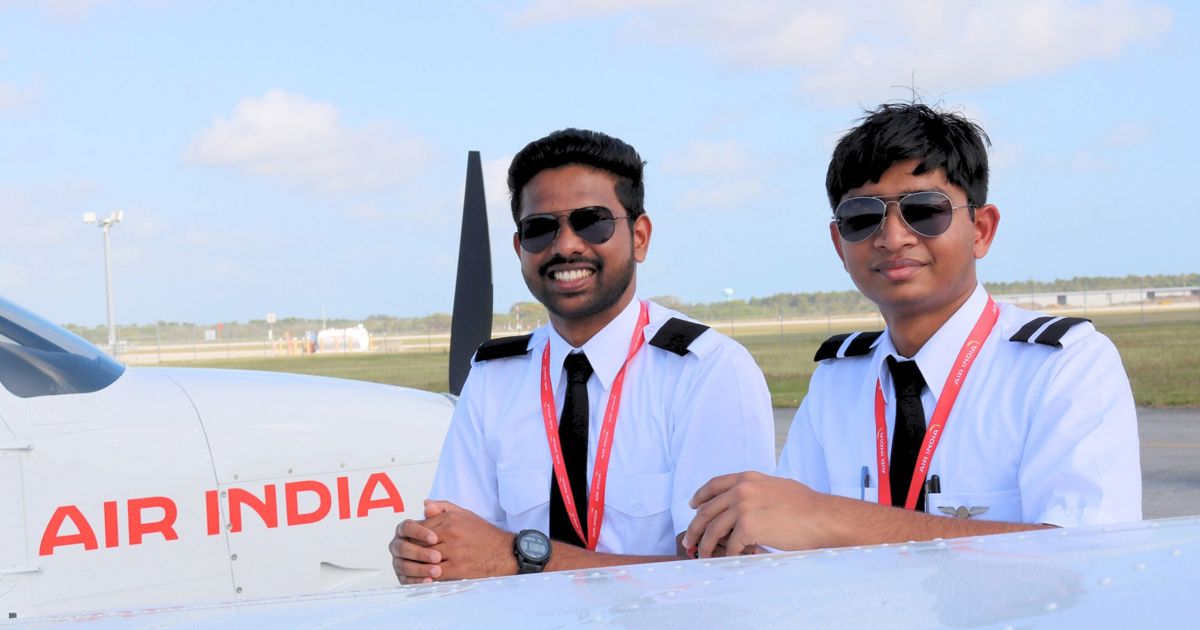
Air India has introduced mandatory screening for all pilots for prohibited substances and medications starting August 13, 2026. Communicated via an internal memo, the enhanced safety measure exceeds DGCA random testing rules following an August 4 Phuket-Delhi flight incident where a pilot tested positive for marijuana.
NEW DELHI, India — Air India has introduced mandatory screening for all its pilots for prohibited substances and unauthorized medications, according to an internal company communication issued on August 13, 2026. The Tata Group-backed national carrier confirmed that testing will begin immediately across operational bases, expanding internal safety standards beyond current regulatory requirements established by the Directorate General of Civil Aviation (DGCA). The policy shift comes amid heightened scrutiny of flight crew fitness following an August 4 in-flight altitude drop on a Phuket-Delhi flight that injured 24 people and resulted in a pilot testing positive for a banned substance.
Technical Scope and Implementation Strategy
Under the new directives outlined in the internal memo, Air India will require all active flight deck crew members to undergo comprehensive medical screening for psychoactive substances and unapproved prescription medications. Prior to this announcement, Indian aviation regulations required air carriers to conduct random substance testing on a specified percentage of pilots and safety-sensitive personnel.
Testing will take place during routine simulator training at Air India’s Gurgaon Training Academy, as well as during post-flight medical checks at major airport bases across India.
| Operational Metric | Regulation Standard | Air India Updated Policy |
| Testing Scope | Random screening of flight crew | 100% full screening of all pilots |
| Target Substances | Banned psychoactive substances | Prohibited substances and unapproved medications |
| Testing Locations | Designated airport bases | Gurgaon Academy, airports, and operational bases |
| Effective Date | Ongoing DGCA CAR frameworks | August 13, 2026 |
Context: The August 4 Phuket-Delhi Flight Incident
The internal decision follows an investigation into Air India flight AI2379, an Airbus A320 operating from Phuket to New Delhi on August 4. During cruise flight, the aircraft experienced a sudden loss of approximately 300 feet in altitude, resulting in minor injuries to 20 passengers and four crew members. The aircraft subsequently landed safely at Indira Gandhi International Airport in New Delhi.
Following post-flight safety protocols, both pilots were removed from active flying duties pending investigation. Subsequent medical testing conducted by authorities revealed that the pilot-in-command returned a positive confirmatory test result for marijuana. The Aircraft Accident Investigation Bureau (AAIB) has classified the event as a serious incident and initiated a formal inquiry alongside international aviation safety agencies.
Official Sources Section
The announcement was confirmed through an internal Air India communication distributed to flight operations personnel and reported by major news agencies.
According to regulatory filings and safety guidelines published by the Directorate General of Civil Aviation (DGCA) and official releases from the Ministry of Civil Aviation, Indian air carriers must strictly enforce zero-tolerance policies regarding psychoactive substance use among safety-critical aviation workers.
Quote Section
Addressing the new operational requirements, company directives emphasized uncompromising compliance with aviation health standards.
According to officials, Air India is implementing mandatory screening across its pilot workforce to ensure complete adherence to medical regulations and maintain the highest safety protocols. Officials stated that the carrier will maintain a zero-tolerance posture toward any substance use or unapproved medication that could compromise flight safety or operational integrity.
Why It Matters to Passengers, Industry, and Regulators
The enforcement of universal pilot screening carries immediate practical implications across the commercial aviation sector:
For Passengers and Travelers: Universal screening provides heightened assurance regarding flight crew readiness and operational safety across Air India's domestic and international routes.
For Flight Operations & Pilots: Pilots must ensure that all prescription treatments, over-the-counter drugs, and therapeutic substances are fully declared and approved by airline medical officers prior to duty.
For the Aviation Industry: Air India's move beyond minimum DGCA compliance establishes a benchmark that may prompt other Indian commercial operators to upgrade their internal medical monitoring systems.
Key Facts at a Glance
Mandatory Policy: Air India begins 100% pilot screening for prohibited substances and medications on August 13, 2026.
Beyond Regulations: Replaces basic random testing requirements with full-workforce coverage.
Incident Trigger: Decision follows the August 4 Phuket-Delhi flight incident where a captain subsequently tested positive for marijuana.
Testing Hubs: Screenings will occur at the Gurgaon Training Academy, major airports, and base stations.
Frequently Asked Questions (FAQ)
What new testing rule has Air India introduced for its pilots?
Air India has mandated full screening of all pilots for prohibited substances and unapproved medications, moving beyond the random testing mandated by regulators.
What incident prompted Air India to introduce full pilot screening?
The decision follows an August 4 flight from Phuket to Delhi that suffered a sudden 300-foot altitude drop, after which the pilot-in-command tested positive for a prohibited psychoactive substance.
Where will the pilot substance screenings take place?
Testing will be conducted at Air India's Gurgaon Training Academy during simulator sessions and post-flight at airport bases across India.
Where can official Indian civil aviation safety regulations be reviewed?
Official Civil Aviation Requirements (CARs) regarding pilot fitness and substance testing are published by the Directorate General of Civil Aviation (DGCA) and the Ministry of Civil Aviation.
Source: Official internal communication from Air India, safety regulatory frameworks from the Directorate General of Civil Aviation (DGCA), and official statements from the Ministry of Civil Aviation.