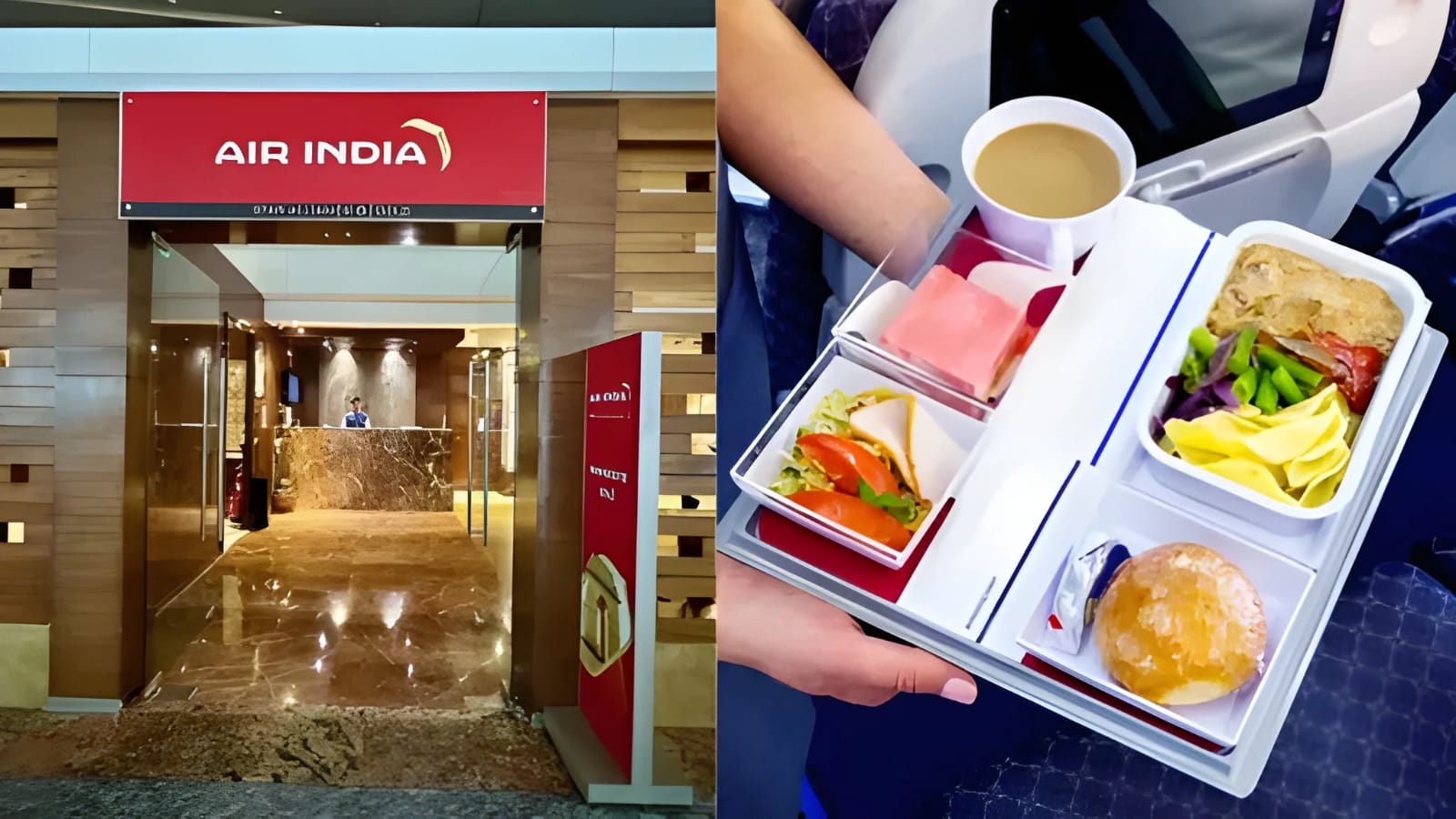
Air India is introducing optional in-flight meals on select routes to reduce ticket prices as the West Asia crisis disrupts global aviation. By unbundling meal services, the airline aims to offset rising fuel and operational costs while offering passengers more flexibility and affordability in their travel experience.
As geopolitical tensions in West Asia continue to reshape international flight operations, Air India is taking a strategic step to balance cost pressures with customer expectations. The airline’s move signals a shift toward smarter pricing models in an increasingly volatile aviation landscape.
Why Air India Is Changing Its Service Model
The ongoing crisis has forced airlines to reroute flights, increasing journey times and fuel burn. For Air India, this translates into higher operating expenses that are difficult to absorb without passing costs to passengers. By making meals optional, the airline reduces onboard service costs and creates room to keep base fares competitive.
This model mirrors the low-cost carrier approach, where passengers pay only for add-ons they value—whether that’s meals, seat selection, or extra baggage. It reflects a broader industry pivot toward efficiency and personalization.
How The West Asia Crisis Is Impacting Aviation
Airspace restrictions and safety concerns in West Asia have significantly altered flight paths for many international carriers. Longer routes mean increased fuel consumption, crew scheduling complexities, and higher maintenance demands. These factors collectively push airlines to rethink traditional service inclusions.
Air India’s decision is part of a larger survival and adaptation strategy as global airlines navigate uncertainty while maintaining service reliability.
What It Means For Passengers
Travelers can now choose whether to include meals in their ticket, offering greater control over travel costs. Budget-conscious passengers, especially on short or medium-haul flights, may benefit the most. Meanwhile, those who prefer full-service comfort can still pre-book meals, ensuring no compromise on experience.
This flexibility also reduces food wastage onboard, aligning with sustainability goals—an increasingly important factor for modern airlines.
Industry Trend Toward Unbundled Services
Air India’s move aligns with a growing global trend where full-service airlines adopt hybrid models. By separating core travel from optional services, airlines can cater to a wider range of customers—from premium flyers to price-sensitive travelers—without diluting brand value.
Key Highlights
Sources: Air India official updates, Times of India, The Daily Jagran