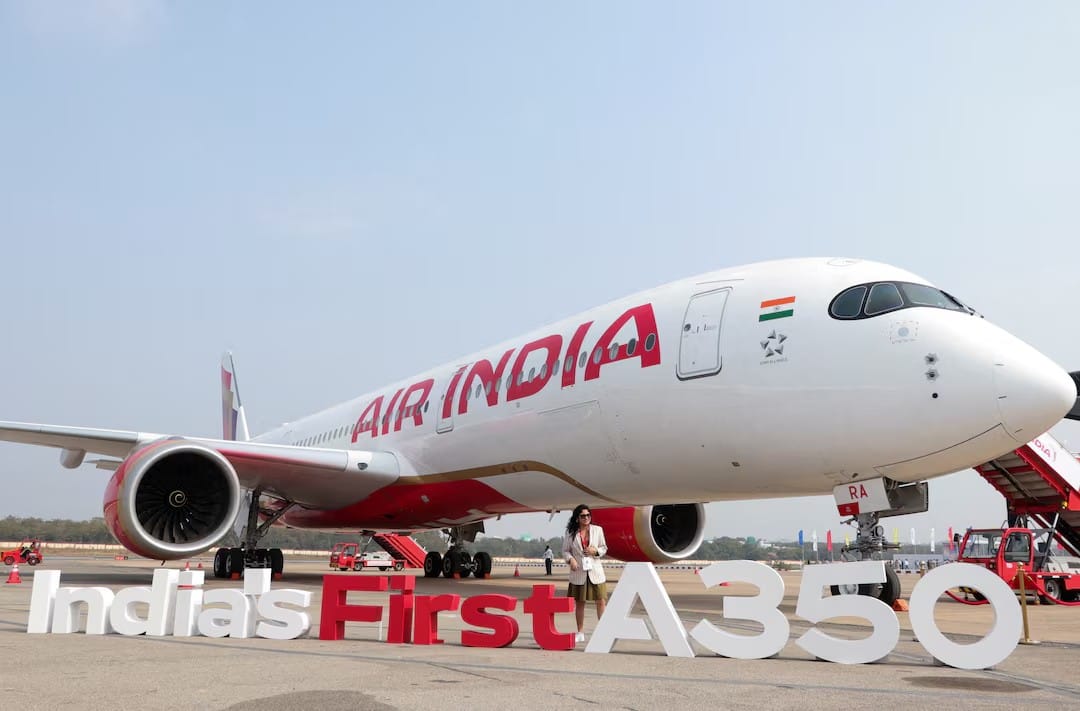
Air India has received DGCA approval to use Electronic Technical Logbooks across its entire Boeing 787 and 777 widebody fleets. This paperless transition enables real-time, encrypted technical data sharing between flight crews and ground engineers, accelerating maintenance reporting, maximizing aircraft dispatch reliability, and advancing the carrier's digital transformation.
NEW DELHI — Air India has secured a major operational milestone in its ongoing $200 million legacy tech overhaul, gaining official regulatory authorization to transition its entire widebody Boeing aircraft fleet into a fully automated engineering framework. The Directorate General of Civil Aviation (DGCA) has formally approved the deployment of Electronic Technical Logbooks (ETL) as the primary mandatory technical document for the carrier's Boeing 787 Dreamliner fleet, alongside issuing parallel implementation orders for its Boeing 777 long-haul aircraft.
Announced on July 13, 2026, the structural integration makes the airline one of the early global carriers to execute a comprehensive, fleet-wide technical digitalization of paper-bound maintenance records. The operational pivot replaces conventional multi-layer paper logbooks with an encrypted real-time cloud data pipeline, allowing line engineers and flight deck crews to instantly transfer critical airworthiness data across international flight hubs.
The Air India Widebody Digital Shift: Technical Operations
1. Real-Time Defect Isolation and Fleet Synchronization
Under legacy aviation frameworks, maintenance logs were transcribed by hand by pilots and technicians, causing physical transfer delays until an aircraft returned to a domestic engineering base. The new digital platform enables real-time information sharing between line engineers at regional stations and centralized operational centers. When an internal alert or minor system variance occurs mid-flight on a Boeing 787 route, the data is pushed directly to the maintenance ground crews. This enables the pre-arranging of component inventories and specialized technicians well before the aircraft lands, significantly improving turnaround times and preventing cascading transit delays.
2. Analytical Shift to Predictive Maintenance
Beyond streamlining paperwork, the structural deployment gives engineering teams immediate access to integrated analytics. The continuous input of real-time technical metrics allows the carrier's software systems to recognize early indicators of component wear before an actual mechanical issue occurs. This transition from reactive troubleshooting to structured predictive maintenance helps minimize unannounced technical groundings, improving overall fleet efficiency.
3. Strengthening Structural Regulatory Compliance
Data integrity and compliance remain core to modern international aviation. The digital logbook system provides automatic validation blocks that prevent an aircraft from being authorized for dispatch if open technical defects remain unresolved or if mandatory routine maintenance schedules are past due. The cloud-backed repository creates unalterable digital audit trails, enabling quick compliance tracking that satisfies the strict inspection standards enforced by international aviation regulators.
Impact on Consumers, Investors, and Environmental Goals
For international passengers and business travelers, the deployment of this digital logbook technology translates directly into improved schedule reliability. Technical snags and delayed maintenance sign-offs represent a leading cause of long-haul flight delays; by streamlining defect rectification, Air India expects a measurable improvement in on-time performance (OTP) across its competitive long-haul routes connecting India to North America and Europe.
For investors tracking the Tata Group's aviation portfolio, the modernization represents a direct path toward reducing operational overheads. The optimization of engineering schedules lowers aircraft grounded-for-maintenance hours, maximizing asset utilization. Furthermore, removing thousands of physical carbon-copy pages across hundreds of daily flights directly supports the airline's long-term corporate sustainability and carbon reduction objectives.
Official Sources Section
The regulatory approvals, system technical parameters, and fleet integration guidelines detailed in this coverage are derived from official press releases published by Air India Corporate Newsroom, operational circulars issued by the Directorate General of Civil Aviation (DGCA), and multi-platform cloud strategy outlines confirmed by the parent company.
Quote Section
"According to officials from the carrier's engineering division, removing paper logs is a critical step in building a modern global airline. Jeremy Yew Jin Kit, Senior Vice President of Engineering and Maintenance at Air India, stated that replacing paper-based processes with real-time digital information improves operational efficiency, strengthens maintenance governance, enhances regulatory compliance, and enables faster decision-making across engineering and operations teams."
Why It Matters
The practical implication of this fleet-wide digital logbook transition is the modernization of widebody aircraft maintenance. By removing physical logging friction from the cockpits and hangars of their primary long-haul fleets, the carrier establishes a responsive, data-driven framework. This alignment ensures that as the airline expands its fleet size, its maintenance infrastructure scales smoothly without adding administrative complexity.
Key Facts at a Glance
Regulatory Approval: The DGCA has formally cleared Electronic Technical Logbooks (ETL) as the primary official record for the Boeing 787 and 777 fleets.
Real-Time Integration: The digital system links line engineers and flight crews, allowing for instant defect reporting and quicker aircraft turnaround times.
Predictive Insights: Collected flight data is fed directly into diagnostic software to identify component wear patterns before faults disrupt schedules.
Paper Reduction: The shift eliminates physical multi-page log tracking, supporting the carrier's paperless corporate environmental targets.
FAQ Section
Q1: What exactly is an Electronic Technical Logbook (ETL)?
A: An Electronic Technical Logbook is a secure digital software platform used by commercial airlines to replace paper logbooks. It tracks structural flight logs, defect reports, maintenance sign-offs, and flight readiness status in real time, making the data instantly accessible to ground crews and regulators.
Q2: Will this technological change affect passenger flight safety?
A: Yes, by improving it. The system enforces strict compliance rules that automatically prevent an aircraft from being dispatched if there are unresolved technical issues. It also utilizes predictive data modeling to address potential mechanical concerns before they can become safety issues.
Q3: Is this system being rolled out across all Air India aircraft?
A: The current DGCA approval is specifically tailored to the carrier's widebody Boeing fleet, which includes all operational Boeing 787 and Boeing 777 aircraft. Parallel digital modernization programs are being evaluated for their narrowbody Airbus fleets.
Source: Air India Newsroom, Directorate General of Civil Aviation (DGCA), ePlaneAI Industry Reports.