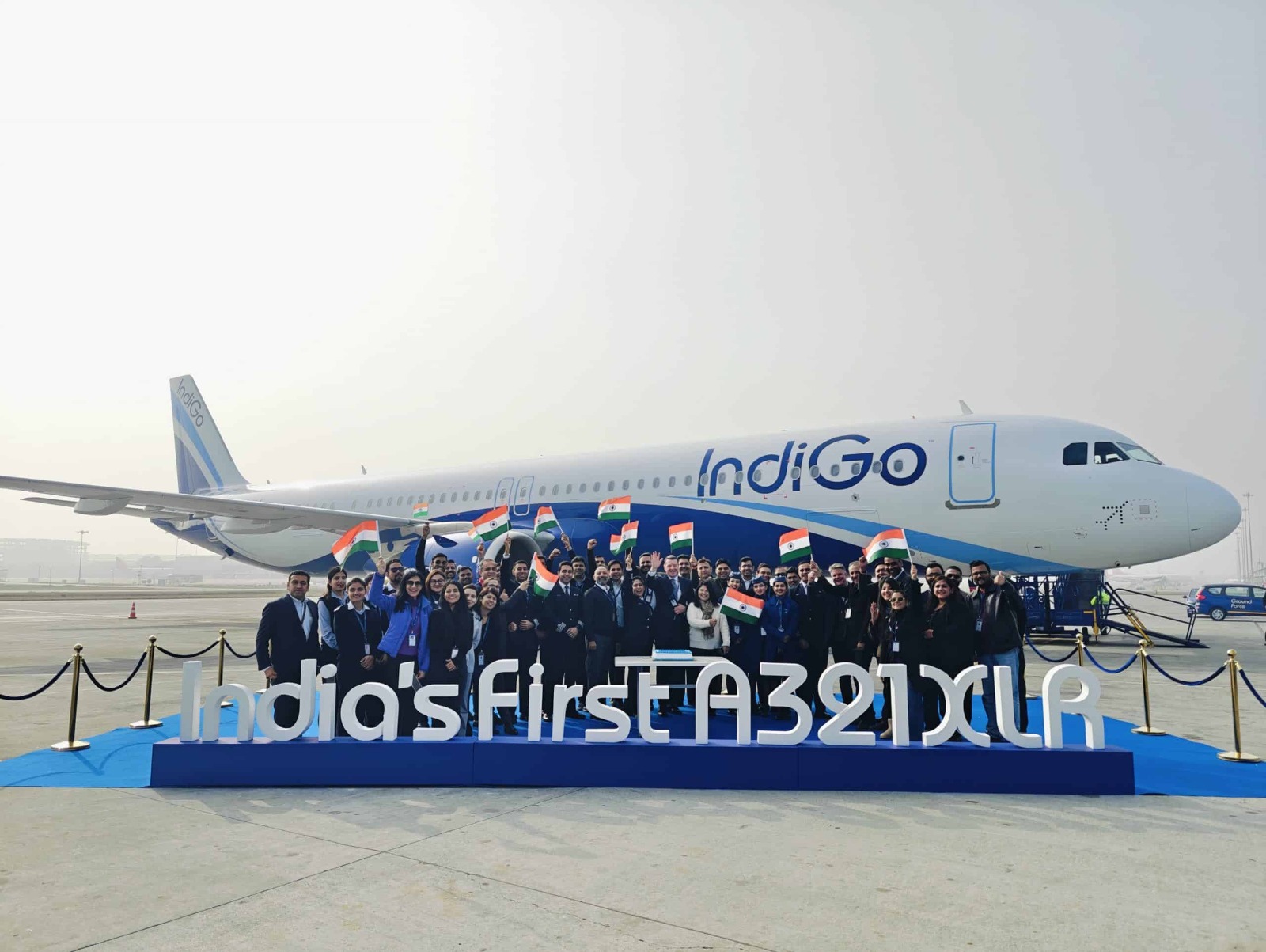
Airbus has pushed back delivery of its new A321XLR jets to IndiGo due to war-related supply chain problems in the Middle East. This has forced the Indian low-cost carrier to suspend six international routes and slow its global expansion plans amid high fuel costs and a quarterly loss.
NEW DELHI — Airbus SE has fallen behind its manufacturing schedule for the new A321XLR aircraft, informing major Indian customer IndiGo that it is unlikely to receive its full allocation of the extra-long-range jets this year. Planemaking officials have attributed the delay directly to severe aerospace supply chain disruptions caused by the ongoing war in the Middle East.
The setback lands at a delicate operational moment for InterGlobe Aviation Ltd. (NSE: INDIGO), the operator of Asia's largest low-cost airline. The carrier is facing an incredibly challenging domestic cost environment, highlighted by a sudden net loss of ₹2,536.9 crore in its latest quarterly earnings review, and soaring aviation fuel prices.
Geopolitical Friction Fractures Aviation Component Logistics
According to industrial sources familiar with the matter, Airbus notified the Indian budget carrier that the timeframe for delivering a batch of nine highly anticipated A321XLR narrowbody jets has been pushed back by several months. The delay stems from logistical bottlenecks across European and Middle Eastern manufacturing corridors, where critical raw material processing and aviation sub-component channels remain restricted due to regional geopolitical conflicts.
The A321XLR which stands for "extra long range" is designed to bridge the gap between traditional single-aisle narrowbody aircraft and complex, dual-aisle widebody vessels. Boasting a structural flying range of approximately 4,700 nautical miles, the model allows budget airlines to map non-stop routes from Indian metros directly into Central Europe, Africa, and Northern Australia without the prohibitive overhead expenses of larger planes. IndiGo currently has a total backlog order of 40 XLR units with the Toulouse-based planemaker.
Fleet Reductions Trigger International Route Suspensions
The delayed equipment arrivals have forced an immediate strategic pivot at the airline's Gurugram headquarters. Rather than pursuing aggressive long-haul market penetration, IndiGo has shifted into a period of rigid network optimization. The airline confirmed it has temporarily suspended operations to six prominent international destinations including Hong Kong, Shanghai, Ho Chi Minh City, Langkawi, Krabi, and Siem Reap with bookings currently paused until at least October 1, 2026.
Concurrently, the airline is discontinuing services to Manchester and returning selected leased widebody aircraft to limit operational exposure. High Aviation Turbine Fuel (ATF) costs and mandatory flight diversions around restricted Middle Eastern airspace have compounded the negative fiscal impact on long-haul routes, dragging down overall profit margins.
Official Sources Section
The details regarding individual production delays, airline network adjustments, and structural route suspensions were sourced from corporate earnings filings by InterGlobe Aviation Ltd., regional aviation slot registries, and manufacturing status dispatches monitored via the Airbus SE Media Relations Desk.
Quote Section
"According to officials familiar with the manufacturing pipelines, Airbus is grappling with systemic parts shortages that transcend localized assembly sites. An Airbus spokesperson stated that the company does not comment on specific delivery schedules or confidential timelines agreed upon with individual airline customers. Meanwhile, senior representatives at IndiGo declined to provide official commentary on ongoing internal negotiations, but noted in a broader network brief that the temporary international suspensions represent a responsible response to a softer upcoming quarter and an elevated operating cost environment."
Why It Matters
For Indian travelers, these supply chain bottlenecks mean fewer direct, budget-friendly choices to popular European and Asian cities, likely keeping airfares high on routes managed by traditional widebody operators. For equity markets and aviation investors, the delay puts a temporary brake on IndiGo's international growth. It also gives full-service competitors like Air India a narrow window to capture more of the booming long-haul passenger market out of Indian hubs.
Key Facts at a Glance
Delivery Delay: Delivery of nine highly anticipated Airbus A321XLR aircraft to IndiGo has been delayed by several months due to supply chain friction.
Geopolitical Trigger: Ongoing military conflict in the Middle East is cited as the primary driver behind component shortages at the planemaker.
Current Fleet Impact: Only two A321XLR units have been delivered to IndiGo so far, currently flying active routes to Athens and Istanbul.
Network Rollback: IndiGo has temporarily suspended flights to six major global destinations including Hong Kong and Shanghai until late 2026.
Financial Pressures: The operational disruption follows a steep quarterly net loss of ₹2,536.9 crore for the Indian budget carrier.
FAQ Section
1. Which international flights has IndiGo suspended due to these delays?
IndiGo has temporarily paused flights to six international destinations: Hong Kong, Shanghai, Ho Chi Minh City, Langkawi, Krabi, and Siem Reap. Long-haul operations to Manchester are also being wound down.
2. Why is the Middle East war affecting European planemaker Airbus?
Modern aircraft manufacturing relies on a complex, global Tier-1 supplier network. The regional conflict has disrupted shipping lines, slowed raw material processing, and choked component suppliers that supply key parts to Airbus assembly plants.
3. What makes the Airbus A321XLR aircraft so critical for IndiGo?
The A321XLR can fly up to 4,700 nautical miles, allowing narrowbody, fuel-efficient aircraft to fly non-stop to Europe and Australia. This eliminates the need for expensive widebody jets, which is central to IndiGo's low-cost international strategy.
Source: