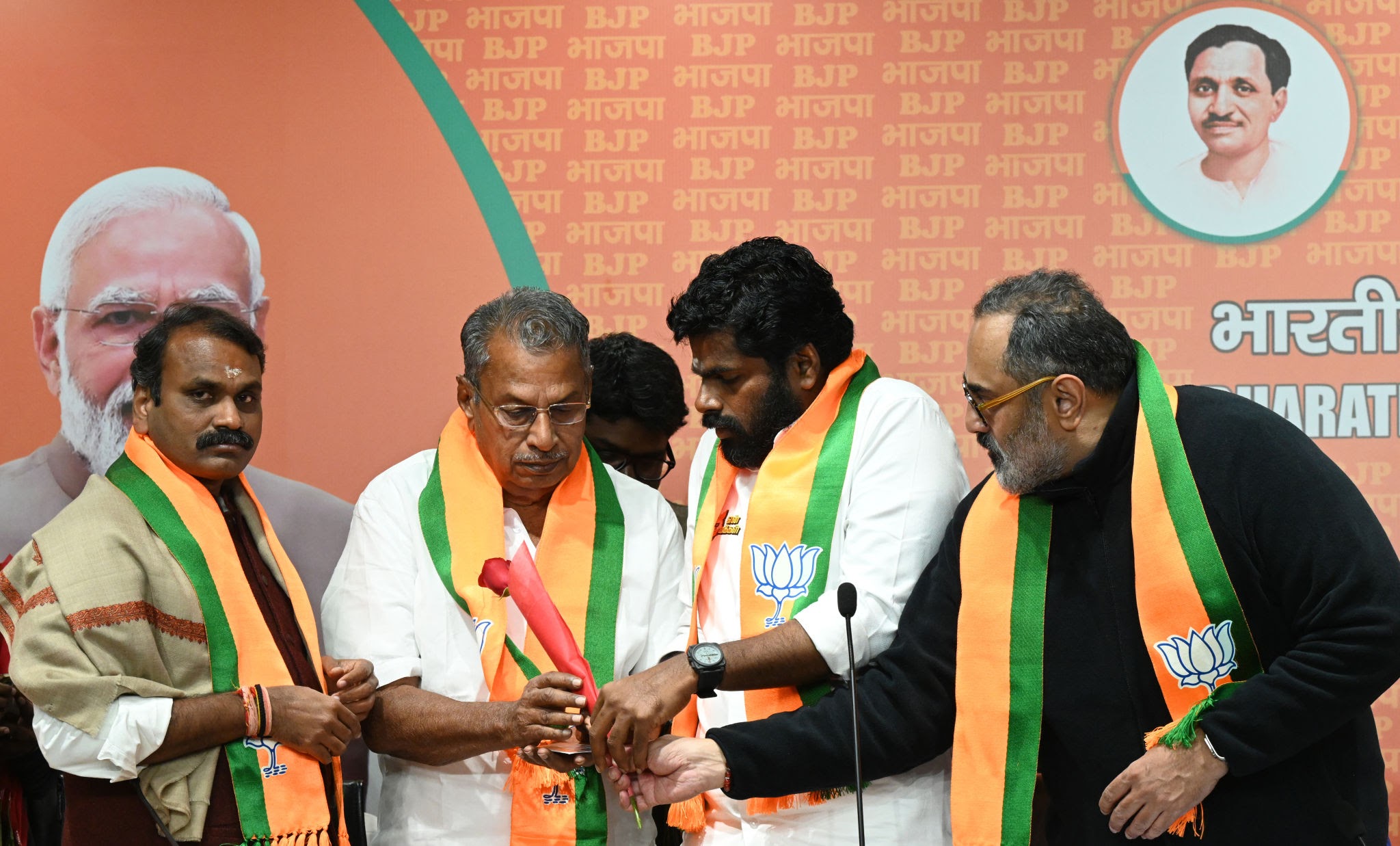
As observers mark the Annamalai birthday today, analysts are highlighting the five key political battles that shaped the former Tamil Nadu BJP chief's rapid rise. Through high-profile anti-corruption campaigns and extensive statewide foot marches, his leadership successfully carved out a competitive third alternative in a traditionally two-party state.
CHENNAI, India - As supporters observe the Annamalai birthday today, political analysts and party organizers are evaluating the specific structural milestones that defined the former Tamil Nadu BJP chief's fast-paced career. According to official briefings from the Bharatiya Janata Party regional office on June 4, 2026, the former Indian Police Service (IPS) officer's transition from law enforcement to partisan leadership has fundamentally altered local campaign styles across the state.
The developmental review comes at a significant time, as national and state parties adjust their organizational structures ahead of upcoming legislative sessions. Observers state that looking back at his most prominent ideological and electoral challenges provides critical insights into the changing nature of anti-incumbency movements in a political landscape historically dominated by regional Dravidian parties.
The Transition from Bureaucracy to Grassroots Organizing
According to organizational archives compiled by regional political desks, the foundational phase of K. Annamalai’s political trajectory began immediately after his resignation from the civil services in 2019. His formal induction into the national ruling party challenged the long-standing belief that lateral entrants from non-political backgrounds could not easily build influence within the state's deeply entrenched party cadres.
Appointed as the state president of the Bharatiya Janata Party Tamil Nadu unit in July 2021, he became the youngest individual to hold that post. Party administrative records show his early strategy focused on aggressive local tours designed to establish a visible presence in rural districts, bypassing traditional reliance on top-down media announcements.
Five Distinct Conflicts Shaping a Shifting Career
Internal analytical reports from the state's political research bureaus highlight five core operational developments that defined his tenure as a primary opposition organizer:
The DMK Files Disclosures: This initiative involved a series of press briefings presenting alleged asset portfolios of prominent ruling party ministers, shifting the local political conversation toward targeted anti-corruption debates.
The "En Mann En Makkal" Foot March: A multi-month padayatra (foot march) across all 234 assembly constituencies that systematically expanded the party's rural outreach beyond its traditional urban pockets.
Dravidian Ideological Debates: Consistent rhetorical challenges to the ruling alliance's structural narratives, aimed at positioning the national party as a direct alternative rather than a minor coalition partner.
The 2024 Lok Sabha Campaign: Leading an independent third-front alliance without backing from major regional Dravidian parties, which significantly altered long-standing voting patterns in key constituencies.
Challenging Traditional Alliance Norms: A strategic choice to prioritize independent identity building over compromise positions, establishing a distinct space for his party in the state's multi-party ecosystem.
Real-World Consequences for Citizens and Voting Blocks
Regional data analysts report that these structural shifts have had direct, measurable impacts on the state’s broader electorate. For citizens and local business operators, the intense focus on institutional transparency has elevated governance standards and public expenditure accountability into central electoral issues.
Furthermore, the introduction of high-visibility, round-the-clock digital campaigns has fundamentally altered how young, first-time voters interact with opposition leaders. While regional parties maintain solid support bases through local welfare networks, the emergence of a distinct third political narrative has given voters a wider range of ideological choices at the ballot box.
Official Sources Section
Biographical records, electoral performance logs, and programmatic details are maintained within the public archives of the Election Commission of India and official party announcements published by the national organizational headquarters. These frameworks verify the specific shifts in vote shares across southern districts over successive electoral cycles.
Quote Section
Reflecting on the evolution of state campaign strategies during a morning press briefing, regional organizational coordinators noted:
"According to officials, the continuous mobilization campaigns conducted over the previous years have introduced a highly competitive structure to the local political ecosystem. The clear focus on programmatic opposition has forced all traditional entities to adapt their communication strategies for the contemporary electorate."
Why It Matters
Analyzing these distinct political milestones on the occasion of the Annamalai birthday today highlights how modern communication tools and direct grassroots outreach can reshape a traditionally polarized state system. The methods used during his tenure demonstrate that institutional persistence can establish a new political foothold, even in regions with long-standing resistance to national party platforms.
Key Facts at a Glance
Organizational Role: Serves as a primary architect of the modern, independent electoral strategy for the national ruling party in Tamil Nadu.
Campaign Scope: The "En Mann En Makkal" initiative successfully mapped and covered every legislative assembly segment across the state's 38 districts.
Policy Focus: Prioritizes systemic anti-corruption measures, infrastructure development tracking, and direct youth involvement in policy discussions.
Strategic Outcome: Successfully established a distinct, competitive third alternative within an electorate traditionally managed by two major regional blocs.
FAQ Section
Q: What was K. Annamalai’s professional background before entering politics?
A: Prior to his entry into public life, he was a credentialed Indian Police Service (IPS) officer of the 2011 batch, serving in various senior law enforcement capacities within the Karnataka cadre.
Q: What was the primary objective of the "En Mann En Makkal" march?
A: According to official party guidelines, the march aimed to directly communicate central government welfare initiatives to grassroots voters while highlighting local administrative deficiencies.
Q: How have these political shifts affected the state's traditional alliances?
A: The decision to contest major elections independently disrupted historical seat-sharing arrangements, encouraging all major parties to strengthen their individual organizational bases.
Source: Election Commission of India Portals, Bharatiya Janata Party National Press Desk.