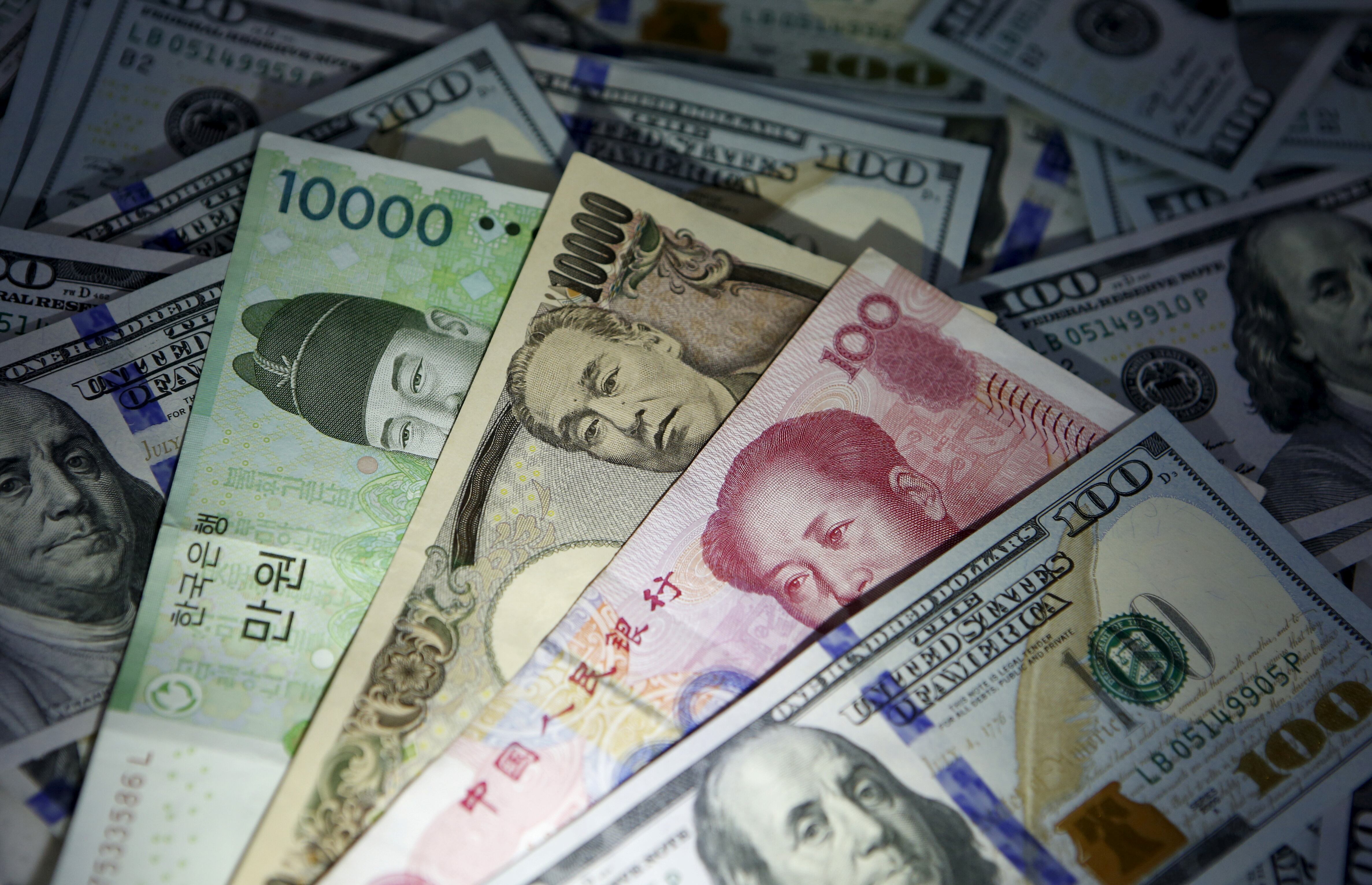
A new Reuters poll shows short bets on the Taiwan dollar reached a three-month high while Thai baht shorts hit their highest since early April. Conversely, bearish positions on the South Korean won fell to a multi-month low, driven by robust semiconductor exports and strong foreign equity inflows.
SINGAPORE — Bearish sentiment toward regional foreign exchange markets showed marked divergence in July 2026, with short bets on the Taiwan dollar expanding to their highest level in over three months while short positions on the Thai baht surged to a three-month peak. In contrast, bearish positions against the South Korean won plummeted to their lowest levels since mid-February, according to the latest fortnightly Reuters positioning poll of currency strategists and fund managers.
The shifting dynamics underscore how diverging central bank policies, localized economic fundamentals, and sector-specific equity flows are re-shaping market positions across emerging Asian economies.
Taiwan Dollar Faces Pressure from Capital Outflows
Short positions against the Taiwan dollar (TWD) grew significantly to reach their highest mark in over three months. Analysts polled attributed the shift primarily to sustained foreign equity capital outflows and broader profit-taking across the technology sector.
According to market strategists, foreign investors have trimmed holdings in Taiwanese semiconductor and technology equities, creating steady conversion demand for U.S. dollars.
Furthermore, domestic life insurance firms in Taiwan have maintained elevated hedging activities, contributing to downside pressure on the currency. The Central Bank of the Republic of China (Taiwan) has periodically stepped in to smooth out sharp intraday movements, but broader macro headwinds continue to weigh on short-term sentiment.
| Currency | Market Sentiment Trend | Key Driver |
| Taiwan Dollar (TWD) | Shorts at >3-Month High | Tech equity capital outflows & insurance hedging |
| Thai Baht (THB) | Shorts at Highest Since Early April | Tourism slowdown & fiscal spending uncertainty |
| South Korean Won (KRW) | Bearish Bets at Lowest Since Mid-Feb | Strong semiconductor export momentum |
Thai Baht Sentiment Weakens Amid Fiscal and Trade Drag
The Thai baht (THB) saw short positions climb to their highest point since early April 2026. Persistent concerns regarding Thailand's current account balance, combined with softer-than-expected seasonal tourism arrivals, have sapped investor confidence in the local currency.
Market participants also cited ongoing policy uncertainty surrounding government stimulus measures and domestic interest rate trajectory.
"According to market analysts, the baht continues to face low carry returns and a lack of near-term catalytic drivers to reverse capital outflows."
The Bank of Thailand has signaled that interest rates remain appropriately set for economic stabilization, though international fund flows continue to favor the U.S. dollar in the immediate term.
South Korean Won Rebounds as Tech Exports Anchor Demand
Bucking the broader weakness in selected peer currencies, bearish bets on the South Korean won (KRW) fell sharply to their lowest level since mid-February. The rebound in won sentiment is driven largely by robust demand for South Korean technology exports, particularly advanced artificial intelligence memory chips and automotive components.
Strong corporate earnings performance from major South Korean conglomerates has attracted net foreign portfolio inflows into the KOSPI equity index, providing underlying structural demand for the won.
According to official trade releases, South Korea's monthly trade surpluses have widened, offering fundamental support that has helped the currency decouple from Southeast Asian peers.
Official Sources Section
Data and positioning estimates reported in this article are derived from the fortnightly Asian Currency Positioning Poll conducted by Thomson Reuters. Additional trade balance, central bank policy, and capital flow references correspond to official announcements from the Central Bank of the Republic of China (Taiwan), the Bank of Thailand, and the Bank of Korea.
Official Statements
According to currency analysts surveyed in the poll, the foreign exchange market is actively differentiating between Asian economies based on structural export strengths. While semiconductor-exporting nations like South Korea benefit from structural demand, currencies tied to domestic consumption and tourism face persistent hedging pressure.
Why It Matters
For Investors: Highlights key FX rotation opportunities between North Asian export-heavy currencies and regional peers.
For Businesses: Import-export enterprises operating across Taiwan and Thailand face higher currency hedging costs amid elevated volatility.
For Central Banks: Regional monetary authorities must balance currency stability interventions with domestic growth imperatives.
Key Facts at a Glance
Taiwan Dollar: Bearish bets rose to a three-month high due to foreign equity outflows.
Thai Baht: Short positions peaked at their highest since early April amid current account drag.
South Korean Won: Bearish positions dropped to the lowest since mid-February on strong chip exports.
Survey Scope: Fortnightly poll measuring net long/short estimates across nine emerging Asian currencies.
Frequently Asked Questions (FAQs)
What is the Reuters Asian Currency Positioning Poll?
The Reuters poll is a fortnightly survey of fund managers and currency analysts measuring market positions in nine key emerging Asian currencies using non-deliverable forwards (NDFs) and direct FX trades.
Why did short bets on the Taiwan dollar increase?
Short positions on the Taiwan dollar increased primarily due to foreign portfolio outflows from Taiwanese equities and sustained hedging demand from institutional life insurers.
Why is the South Korean won outperforming its regional peers?
The won gained support from surging global demand for South Korean technology exports, robust trade surpluses, and renewed foreign net buying on local stock exchanges.
How do short bets impact local economies?
Elevated short positions reflect market expectations of currency depreciation, which can increase import costs, drive domestic inflation, and prompt central bank market intervention.
Source & Hyperlinks