QatarEnergy has extended its force majeure declaration on LNG deliveries to several Asian buyers through mid-October. The state energy producer has simultaneously leased additional LNG tankers to manage delivery logistics, driving Asian utilities to secure alternative spot cargoes ahead of peak winter demand periods.
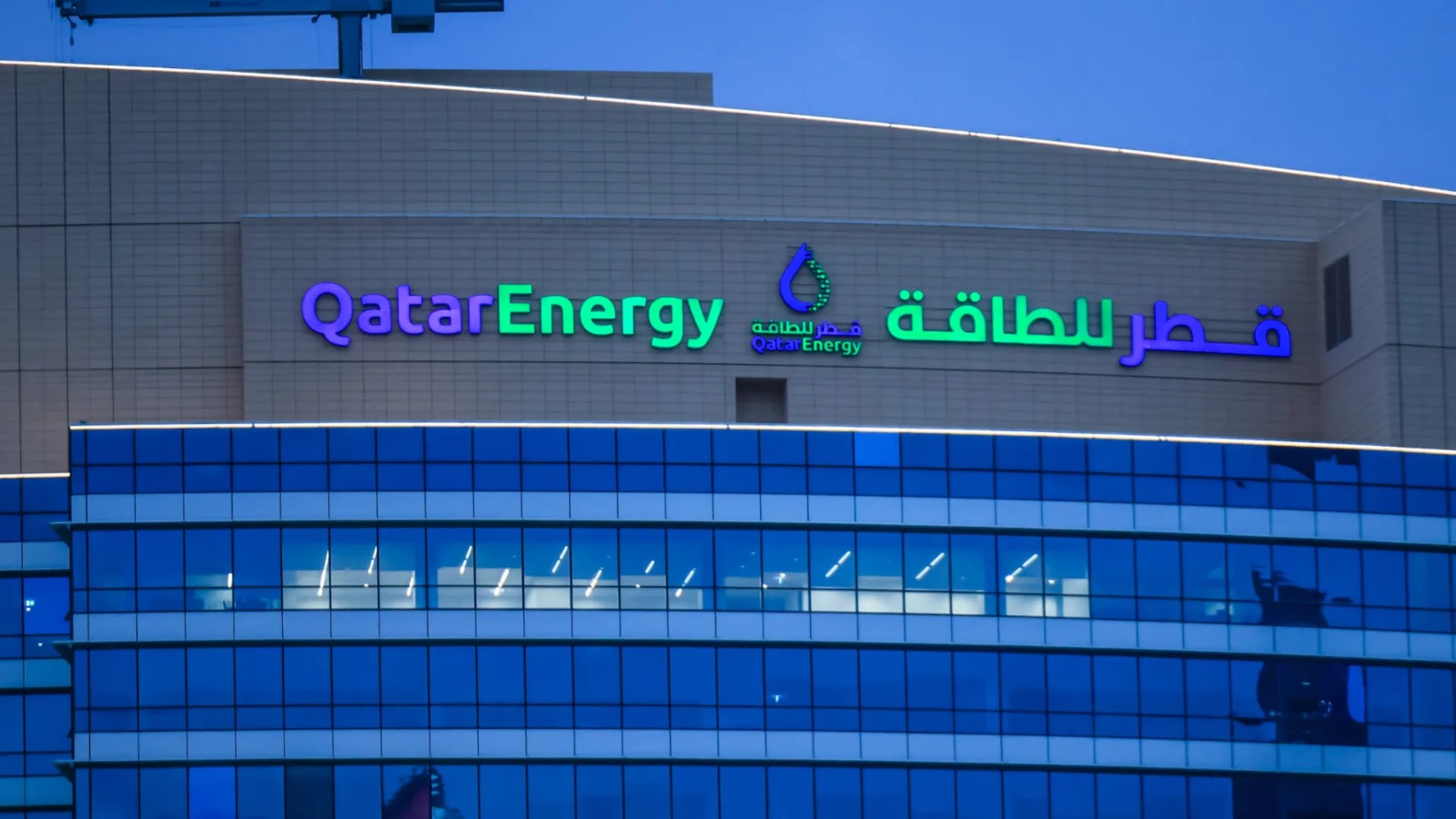
DOHAI — State-owned energy giant QatarEnergy has notified major buyers in Asia that it will extend its force majeure on liquefied natural gas (LNG) shipments through to mid-October. According to trade sources, the decision follows lingering operational constraints and regional maritime security concerns. To maintain operational continuity and manage delivery schedules, the Qatari exporter has also secured additional vessel capacity by leasing select LNG tankers through the same period.
Extended Force Majeure Signals Prolonged Supply Constraints
Trade sources familiar with the matter confirmed that QatarEnergy extended the invocation of force majeure—a standard contractual clause releasing suppliers from liability during extraordinary, unpreventable events—due to ongoing shipping disruptions and processing delays.
The extension directly impacts long-term utility partners and spot buyers across key North Asian and South Asian markets, including Japan, South Korea, China, and India. The prolonged pause in full contract deliveries comes as Asian buyers prepare for peak autumn and winter power generation requirements.
Primary supply metrics from market sources include:
Scope of Extension: Delivery obligations under force majeure adjusted through mid-October.
Chartering Strategy: Selective time-charters on specialized LNG vessels extended to secure alternative routing and scheduling flexibility.
Geographic Impact: Primarily affects utility off-takers in North and South Asia relying on long-term Qatari supply agreements.
Tanker Leases and Shipping Operations
To mitigate logistical bottlenecks, QatarEnergy has secured extensions on charter agreements for several mid-to-large-capacity LNG carriers through mid-October. Maritime intelligence reports indicate that shipping routes have been adjusted to account for elevated war risk premiums and security precautions around key regional chokepoints.
The decision to hold chartered vessels gives the producer flexibility to reroute available cargoes, manage floating storage, or service specific prioritized delivery points as operational conditions permit.
Market Impact on Asian Energy Utilities and Spot Prices
The extension of force majeure forces Asian power and gas utilities to scramble for replacement cargoes on the global spot market. Industry analysts note that increased demand from Asian buyers seeking short-term replacement volumes from the United States and Australia is placing upward pressure on Asian spot LNG benchmarks (JKM).
For industrial consumers and energy utilities, higher procurement costs on replacement cargoes are likely to filter through to domestic fuel surcharges and energy import bills over the third and fourth quarters.
Official Sources Section
According to trade sources citing official buyer communications and shipping notices, QatarEnergy has issued revised delivery schedules to affected counterparties. Official announcements and corporate updates regarding Qatari energy exports are published via QatarEnergy and regulatory compliance releases through regional market authorities.
Quote Section
According to trade sources, QatarEnergy informed its customers that ongoing operational conditions necessitate keeping force majeure provisions in place for affected Asian cargoes through mid-October.
Why It Matters
Qatar accounts for roughly 20% of the world's total LNG supply. An extended disruption through mid-October restricts global spot supply during a critical inventory buildup window ahead of the Northern Hemisphere winter. This forces Asian and European buyers into direct competition for non-disrupted spot cargoes, raising input costs for utility providers and industrial manufacturers.
Key Facts at a Glance
Timeline: QatarEnergy force majeure on select Asian LNG shipments extended through mid-October.
Fleet Action: Specialized LNG tankers chartered through mid-October to support modified delivery logistics.
Market Exposure: Asian buyers forced to procure higher-cost alternative cargoes on the spot market.
Global Context: Qatar remains one of the world's top three LNG exporters alongside the United States and Australia.
Frequently Asked Questions (FAQ)
What is force majeure in LNG contracts?
Force majeure is a standard legal clause in long-term sales and purchase agreements (SPAs) that temporarily releases a supplier or buyer from contractual obligations when unexpected, uncontrollable events prevent delivery.
How long will QatarEnergy's delivery disruption last?
Based on notifications issued to Asian buyers, force majeure conditions and modified shipping schedules are expected to remain in effect through mid-October.
Which countries are most impacted by the Qatari LNG extension?
Major Asian importers—including Japan, South Korea, India, and China—that hold long-term off-take contracts with QatarEnergy are the primary markets affected by the altered delivery schedules.
Where can market participants monitor official QatarEnergy updates?
Official operational statements and press releases are published on the official QatarEnergy Press Center and through relevant regulatory filings.
Source: Official buyer notifications, shipping registry data, and market disclosures from QatarEnergy.