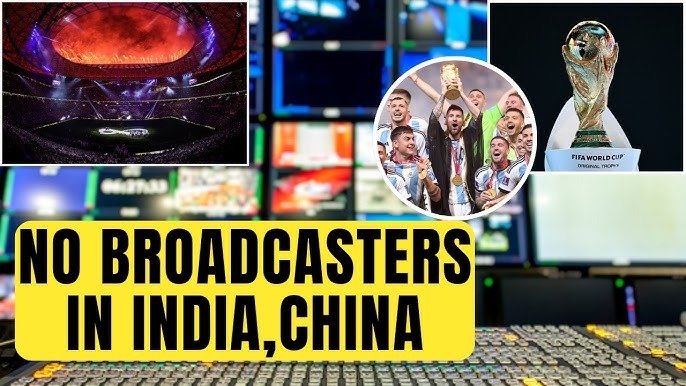
FIFA's failure to secure television broadcast deals for the 2026 World Cup in the world's two most populous markets - China and India - is creating a significant revenue and visibility headache for president Gianni Infantino. With billions of potential viewers unreached, the gaps threaten to undermine FIFA's ambition of making the expanded 48 team tournament the most watched sporting event in history.
The 2026 FIFA World Cup, hosted across the United States, Canada and Mexico, is just weeks away from kick off. Yet FIFA has still not finalised broadcast rights agreements with major broadcasters in China and India, two markets that together account for nearly three billion people and represent enormous commercial and viewership potential.
The Revenue Problem For FIFA
Broadcast rights are among FIFA's most important revenue streams, funding everything from prize money to development programmes. Failing to close deals in China and India means not just lost licensing fees but also reduced sponsor visibility, weaker social media activation in key Asian markets and a smaller global advertising footprint for the tournament's commercial partners.
India's Complex Rights Market
India's sports broadcasting landscape is competitive and price sensitive, with platforms like JioCinema and Star Sports historically dominating cricket but increasingly vying for football rights. FIFA's asking price and the fragmented nature of India's digital and linear TV market appear to be key sticking points in reaching a workable deal before the tournament begins.
China's Political And Commercial Calculus
In China, the dynamics are different. The absence of the Chinese national team from the tournament - despite China's football ambitions - reduces domestic viewer interest and broadcaster appetite. Geopolitical tensions and regulatory complexities around foreign media rights further complicate FIFA's ability to close a clean deal in the market.
Infantino's Expansion Gamble Under Scrutiny
The broadcast gaps arrive at an awkward moment for Infantino, who championed the expansion from 32 to 48 teams partly to open new markets and grow global revenues. If the world's largest markets do not have confirmed broadcast homes for the tournament, it raises questions about the commercial logic and execution behind FIFA's aggressive growth strategy.
Broadcasting Breakdown Highlights
- FIFA yet to finalise World Cup TV rights deals in China and India
- The two markets represent nearly three billion potential viewers
- Lost deals mean reduced revenue, sponsor reach and digital activation
- India's fragmented broadcaster market and pricing gaps are key hurdles
- China's limited interest partly tied to national team's absence from tournament
- Raises questions about FIFA's commercial strategy under Gianni Infantino
Sources: Al Jazeera, India Today, Firstpost, The Week, The Daily Star, Business Standard