The Assam Cabinet has approved seven bills to boost MSMEs and improve the ease of doing business. Key measures include a three-year approval holiday for non-polluting MSMEs, a new authority for the Guwahati satellite city, and a ₹100 crore integrated emergency response system accessible via Dial 112
GUWAHATI — The Assam Cabinet, chaired by Chief Minister Himanta Biswa Sarma, approved seven key bills on Sunday, July 5, 2026, marking a significant push toward economic reform and administrative modernization. The legislative package, slated for introduction during the state Assembly’s Budget session, includes measures to simplify business operations, support micro, small, and medium enterprises (MSMEs), and enhance urban planning.
The government’s strategy focuses on reducing bureaucratic hurdles, particularly for smaller industrial units. By enabling non-polluting MSMEs to begin operations without prior government approval for the first three years, the state aims to foster a more dynamic entrepreneurship ecosystem.
Legislative Reforms to Drive Industrial Growth
The approved bills are designed to create a more robust framework for industrial and infrastructure development in Assam:
Ease of Doing Business: The Assam Ease of Doing Business (Amendment) Bill, 2026 aims to strengthen the state’s single-window clearance system, making it faster and more transparent for businesses to secure necessary permits.
MSME Facilitation: The Assam Micro, Small and Medium Enterprises (Facilitation of Establishment and Operation) Bill, 2026 provides a three-year window for non-polluting MSMEs to commence operations without the requirement of prior government approvals.
Tourism and Heritage: The Assam Tourism (Development and Registration) (Amendment) Bill, 2026 updates registration requirements for hotels and homestays. As part of this reform, the colonial-era Sarais Act will be repealed, with its relevant provisions absorbed into the new legislation.
Land and Planning: The Assam Land and Revenue Regulation (Amendment) Bill, 2026 introduces stricter controls on land sales near iconic religious sites in Barpeta, Batadrava, and Majuli, limiting transactions to families with three generations of residency. Additionally, the Assam Jan Vishwas Bill, 2026 seeks to relax town and country planning rules and land reclassification procedures.
Infrastructure: The Guwahati Satellite City Development Authority Bill, 2026 was cleared to establish a government-led authority to oversee the development of a satellite city, ensuring public oversight of the major urban project.
Labor Alignment: The Assam Shops and Establishments (Amendment) Bill, 2026 was approved to bring state labor regulations into better alignment with central legislation.
Modernizing Emergency Services
Beyond economic legislation, the Cabinet cleared an integrated emergency response system to be operated via the Dial 112 helpline. The system, backed by a ₹100 crore allocation, will integrate police, fire, health, and disaster management services into a unified 24x7 technology platform. A dedicated response center will be established at the Lachit Barphukan Police Academy in Dergaon to facilitate quicker response times using GIS technology.
Official Sources
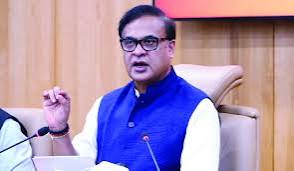
The legislative and administrative updates were confirmed by Chief Minister Himanta Biswa Sarma during a press conference following the Cabinet meeting on July 5, 2026. Official documentation for these bills is expected to be tabled in the upcoming Budget session of the Assam Legislative Assembly.
Quote Section
"According to officials," these legislative amendments are essential to ensuring that Assam remains competitive in attracting both small and large-scale investments. Organizers stated that the new MSME bill specifically targets the removal of administrative bottlenecks that have historically hindered the growth of startups and local industries in the non-polluting sector.
Why It Matters
For businesses and MSMEs in Assam, these reforms translate into a more predictable and faster regulatory environment. By simplifying compliance and empowering the state government to lead major urban projects like the satellite city, the administration aims to stimulate employment and economic productivity. For the general public, the integration of emergency services under the 112 system provides a critical upgrade to public safety infrastructure.
Key Facts at a Glance
Total Bills Approved: Seven pieces of legislation for the Budget session.
MSME Relief: Non-polluting units can operate for 3 years without prior government clearance.
Emergency Response: Launch of a unified Dial 112 platform with a ₹100 crore budget.
Heritage Protection: Stricter land sale rules in Barpeta, Batadrava, and Majuli.
Tourism Reform: Repeal of the colonial Sarais Act to modernize registration for hospitality establishments.
FAQ
What is the benefit for MSMEs under the new bill?
New MSME units in non-polluting sectors can commence operations for the first three years without needing prior government approval, significantly reducing startup timelines.
How will the new emergency system work?
The Dial 112 service will integrate police, fire, health, and disaster response into one platform, using GIS technology to dispatch the nearest emergency vehicle.
What is the purpose of the Guwahati Satellite City bill?
It creates a government authority to manage the development of the city, ensuring transparency and state-led execution of the infrastructure project.
Source: Government of Assam, Assam Legislative Assembly, India Today NE