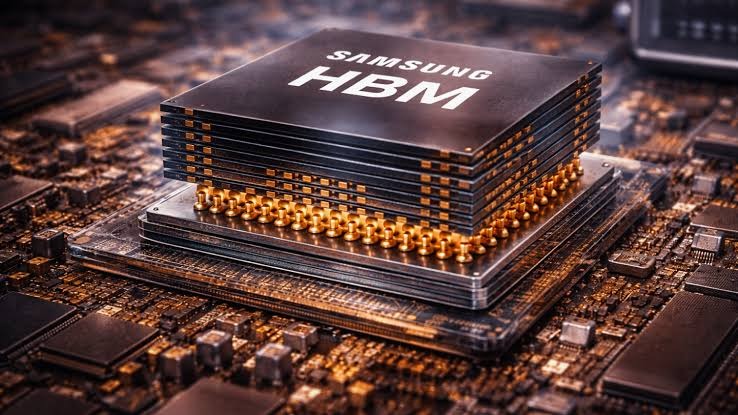
Samsung Electronics’ chip division is on track to earn more operating profit in 2026 than it has in the past 40 years combined. Driven by high AI data center demand, contract DRAM prices surged 90% in Q1, powering a record 89.4 trillion won preliminary Q2 operating profit.
SEOUL, South Korea — Samsung Electronics Co., Ltd.’s semiconductor division is mathematically on track to generate more operating profit in the full 2026 calendar year than it has across the previous 40 years of its chip-making history combined.
The explosive disclosure, shared by senior leadership during a internal corporate town hall meeting, underscores a dramatic structural shift in global technology markets. Rocketing demand for high-bandwidth memory (HBM) and conventional enterprise storage modules needed to fuel artificial intelligence (AI) data centers has trigger a severe global semiconductor inventory deficit, granting the South Korean technology giant historic pricing power over global electronics supply lines.
Unprecedented AI Memory Shortages Drive Profits
According to statements made by Kim Yong-kwan, President and Head of Business Strategy at Samsung Electronics’ Device Solutions (DS) division, the company’s full-year financial milestones are fundamentally outperforming all historic chip cycles. Multiple global investment banks and financial tracking analysts project that Samsung's consolidated annual operating profit for 2026 will climb toward an unprecedented 300 trillion Korean won (approximately $200 billion USD).
This monumental financial trajectory is actively supported by massive pricing escalation. Samsung successfully instituted a 90% quarter-on-quarter contract price hike for mass-produced Dynamic Random-Access Memory (DRAM) chips in the first quarter of 2026. This was sequentially followed by a secondary 50% to 60% price increase throughout the second quarter. The semiconductor unit is currently entering the third quarter negotiating an additional 20% sequential increase with commodity computing clients.
Structural Imbalances Impact Mobile and Consumer Goods
The earnings imbalance has profoundly realigned Samsung's internal business dynamics. Financial disclosures logged with the Financial Supervisory Service (FSS) of Korea show that chip sales alone accounted for roughly 94% of the group's total operating profits during the first quarter of the year.
While the semiconductor segment enjoys margins exceeding 70% surpassing the profitability rates of peers like Nvidia and TSMC downstream consumer-facing divisions are absorbing severe cost penalties. The pricing spikes that register as revenue for the chip unit act as an aggressive expense drag on Samsung’s Mobile experience (MX) smart device division.
Internal corporate warnings circulated by mobile management highlight that component allocation costs now represent over 40% of total smartphone device fabrication expenses. Contract prices for premium 12GB LPDDR5X mobile memory modules have nearly tripled since early 2025, climbing by $69 this year alone to cross $145 per unit, putting the smartphone division at risk of an annual operational loss.
Preliminary Second Quarter Yields Record Pace
The internal execution metrics sync with preliminary Q2 financial guidance released by the corporation on Tuesday, July 7, 2026. Samsung posted a 19-fold surge in estimated quarterly operating income, climbing to 89.4 trillion won ($58.4 billion USD) for the three months ending June 30.
The single three-month performance comfortably bypassed full-year corporate returns tracked across the entirety of 2025, putting the firm on pace to briefly displace competitors as the world's most profitable enterprise by quarterly operational yield. To preserve this technological lead, Samsung and SK Hynix have collectively finalized an $800 billion domestic manufacturing expansion initiative geared toward doubling South Korea’s memory production footprint, though substantial new capacity from these complexes will not reach the open market for several years.
Official Sources Section
The underlying financial figures, pricing ratios, and executive addresses detailed within this reporting correspond directly with regulatory earnings briefings published by Samsung Electronics Co., Ltd. Investor Relations, alongside market compliance tracking datasets compiled by the Korea Exchange (KRX).
Quote Section
"Samsung's profit in 2026 will surpass all the profit the company has made since entering the semiconductor business 40 years ago," stated Kim Yong-kwan, President and Head of Business Strategy for the Device Solutions division, during an internal presentation to workforce personnel.
Why It Matters
For global technology consumers, enterprise businesses, and institutional stock market investors, Samsung's chip windfall marks the structural peak of the artificial intelligence infrastructure boom. Because global manufacturing lines are bottlenecked trying to supply high-margin AI data center hardware, conventional components face a structural shortage. This reality will continue to translate into elevated retail prices for end-user electronics, including smartphones, laptops, automotive control modules, and home appliances well into the upcoming year.
Key Facts at a Glance
Historical Milestone: Full-year 2026 chip profits are projected to exceed the past 40 years of cumulative semiconductor income.
Target Capital Forecast: Financial analysts project total annual operating profits approaching 300 trillion won.
Pricing Escalation: DRAM contract rates skyrocketed 90% in Q1, followed by a secondary 50–60% jump in Q2 2026.
Internal Imbalance: The Device Solutions semiconductor arm supplied approximately 94% of early-year corporate profits.
Frequently Asked Questions
What is causing this unprecedented surge in Samsung’s chip profits?
The growth is fueled by an acute global shortage of high-end memory chips needed for AI data centers. As tech giants buy up limited worldwide RAM production, memory prices have risen rapidly.
How are rising chip prices affecting Samsung's own consumer electronics?
While the chip division makes record gains, the high internal transfer prices squeeze profits for Samsung's smartphone and home appliance units, with mobile component costs now exceeding 40% of total hardware expenses.
Will new factories lower memory chip prices soon?
Samsung and SK Hynix have launched massive production expansions worth $800 billion. However, because these multi-year infrastructure projects will not yield substantial new output for several years, high memory costs are expected to persist.
Source: Preliminary Q2 financial metrics and internal town hall transcripts distributed by Samsung Electronics Global Newsroom, with supplementary equity tracking data from the Korea Financial Supervisory Service.