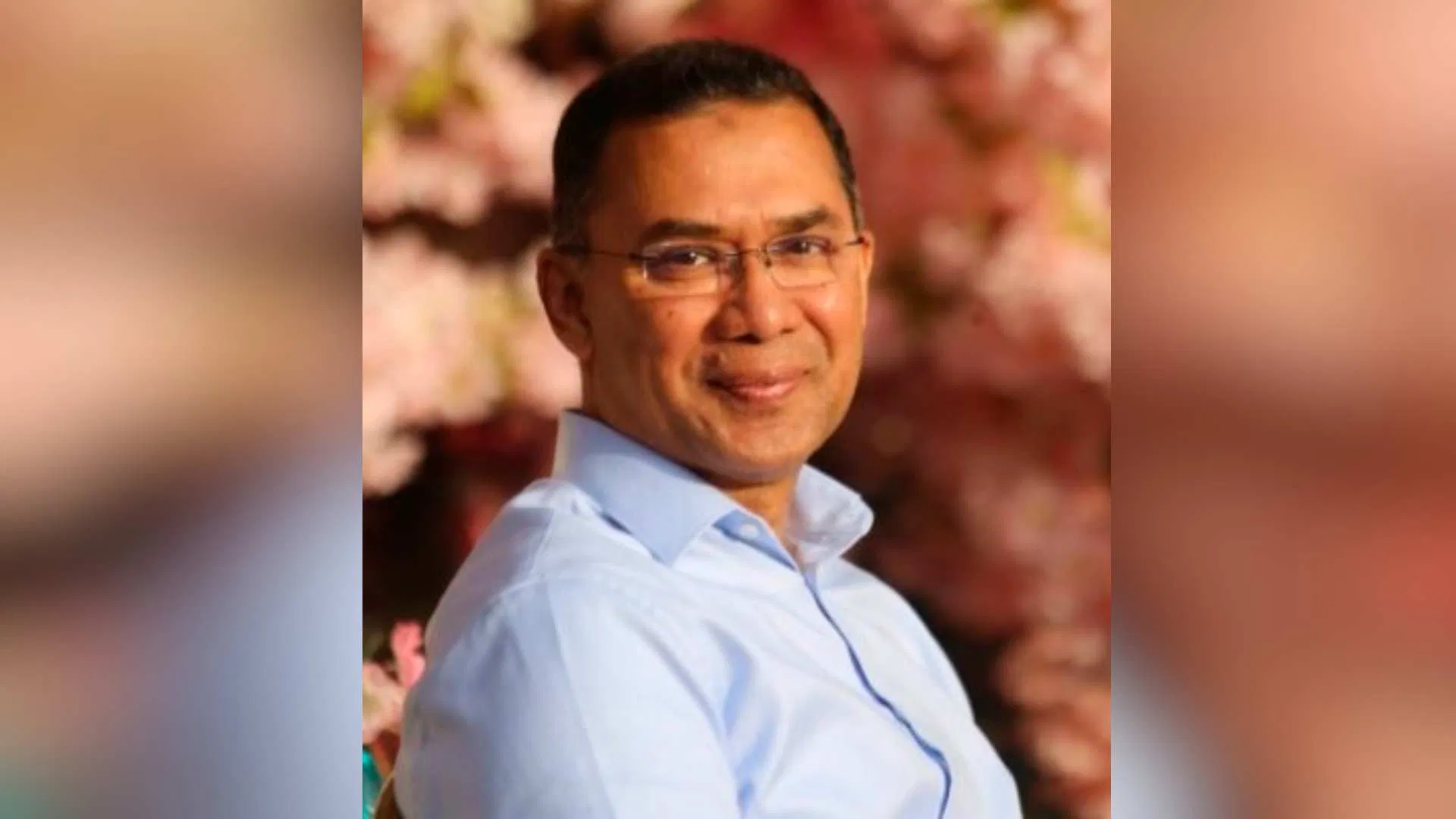
Bangladesh Prime Minister Tarique Rahman is scheduled to visit India from August 23 to 25, 2026, for his first official bilateral summit in New Delhi. The talks with Prime Minister Narendra Modi aim to stabilize bilateral ties, resolve energy supply challenges, and strengthen regional economic and border cooperation.
NEW DELHI, India — Bangladesh Prime Minister Tarique Rahman is likely to undertake an official bilateral visit to India between August 23 and August 25, 2026, according to senior diplomatic officials and regional press reports. The proposed trip marks Rahman's first official state visit to New Delhi since assuming office in February following general elections. The diplomatic outreach comes at a critical juncture as both South Asian neighbors seek to reset cross-border trade, resolve ongoing energy supply constraints, and navigate bilateral discussions surrounding ousted former Prime Minister Sheikh Hasina's residency in India.
Diplomatic Itinerary and Bilateral Agenda
Diplomatic delegations from Dhaka and New Delhi have engaged in high-level consultations to finalize the official schedule, with two potential engagement windows—August 20–21 and August 23–25—placed under active review by both foreign ministries.
The itinerary aims to build upon direct diplomatic groundwork established earlier this month when the Indian High Commissioner in Dhaka held formal consultations with Prime Minister Rahman at the Prime Minister's Office in the Bangladesh Secretariat. The envoy subsequently briefed Indian Prime Minister Narendra Modi in New Delhi regarding reciprocal diplomatic expectations and regional economic priorities.
In addition to bilateral consultations in New Delhi, the discussions encompass a separate invitation extended to Prime Minister Rahman to attend the upcoming BRICS Leaders' Summit outreach session scheduled in the Indian capital this September.
The primary discussions during the bilateral summit are expected to center on:
Energy Security and Fuel Supplies: Resolving cross-border diesel pipeline logistics and electricity transmission agreements to address domestic fuel shortages in Bangladesh.
Cross-Border Trade and Customs: Upgrading integrated check posts (ICPs) and modernizing land port infrastructure across West Bengal, Tripura, and Assam.
Bilateral Water Sharing: Reviewing technical data frameworks for common river systems, including the Teesta and Ganga water-sharing treaties.
Security Cooperation: Strengthening border management mechanisms to prevent unlawful border crossings while preserving tranquil boundary zones.
Regional Geopolitics and the Extradition Dialogue
The planned summit takes place against a sensitive diplomatic backdrop shaped by political developments over the past two years. Following the collapse of the Awami League administration in August 2024, former Prime Minister Sheikh Hasina took refuge in India. Dhaka has formally expressed its intent to seek her extradition under established bilateral legal treaties.
In preliminary talks, Bangladeshi diplomatic representatives have emphasized that bilateral stability requires assurances that foreign soil is not utilized for destabilizing political activities. Simultaneously, India’s Ministry of External Affairs has reiterated that bilateral engagements are rooted in mutual respect, reciprocity, and shared economic progress.
Despite political shifts, economic interdependence remains substantial. India represents one of Bangladesh’s primary trading partners in Asia, supplying essential consumer commodities, industrial raw materials, and electrical energy, while Bangladesh provides critical transit and trade corridors for India’s northeastern states.
Economic and Trade Implications for South Asia
A successful bilateral meeting between the heads of government is expected to provide economic predictability across several key sectors:
Energy and Power Infrastructure: Direct talks will help secure steady electricity deliveries from cross-border transmission lines and maintain stable flows through the India-Bangladesh Friendship Pipeline.
Export-Import Logistics: Supply chains spanning readymade garments (RMG), cotton yarn, agricultural produce, and pharmaceuticals will gain improved clearance times through streamlined border protocols.
Regional Connectivity: Accelerated transit agreements will enhance cargo movement between mainland India, Chittagong and Mongla ports, and India's northeastern territories.
Official Sources
Diplomatic communications and administrative statements regarding the bilateral dialogue have been cited from:
Official Statements
Addressing the media regarding bilateral diplomatic engagements, the Official Spokesperson for the Ministry of External Affairs stated:
"Invitations have been extended to the Prime Minister of Bangladesh for a bilateral visit as well as for the BRICS summit outreach. India remains committed to advancing bilateral relations based on mutual interests, people-to-people connectivity, and shared regional development."
Why It Matters
Stabilizing Regional Ties: Establishes the first direct, head-of-government dialogue between New Delhi and Dhaka’s elected leadership following political transitions.
Energy Continuity: Helps prevent fuel and power shortages in Bangladesh by securing commercial and bilateral energy supply agreements.
Security Cooperation: Reinforces coordinated border management protocols to maintain peace along the 4,096-kilometre shared international boundary.
Key Facts at a Glance
Proposed Event: Official state visit to India by Bangladesh Prime Minister Tarique Rahman.
Tentative Dates: August 23–25, 2026 (with alternate windows under diplomatic review).
Key Agendas: Cross-border energy supply, bilateral trade infrastructure, river water sharing, and regional security.
Diplomatic Context: Follows initial ministerial exchanges and preparatory meetings between Indian and Bangladeshi envoys in Dhaka and New Delhi.
Frequently Asked Questions
What is the scheduled timeline for the Bangladesh Prime Minister's visit to India?
Diplomatic authorities in Dhaka and New Delhi are coordinating dates within the August 20–25 window, with August 23–25 under primary consideration.
What are the main topics on the bilateral agenda?
The discussions will focus on bilateral energy supplies, border security cooperation, trade logistics, and cross-border connectivity frameworks.
Has the Ministry of External Affairs confirmed the itinerary?
The Ministry of External Affairs confirmed that formal invitations have been extended, with specific dates being finalized through standard diplomatic channels.
Why is this state visit significant for regional relations?
The visit marks the first official bilateral summit between Prime Minister Narendra Modi and Prime Minister Tarique Rahman, setting the foundation for long-term diplomatic and economic cooperation.
Source: Ministry of External Affairs, India, Prime Minister's Office, Bangladesh, and The Indian Express.