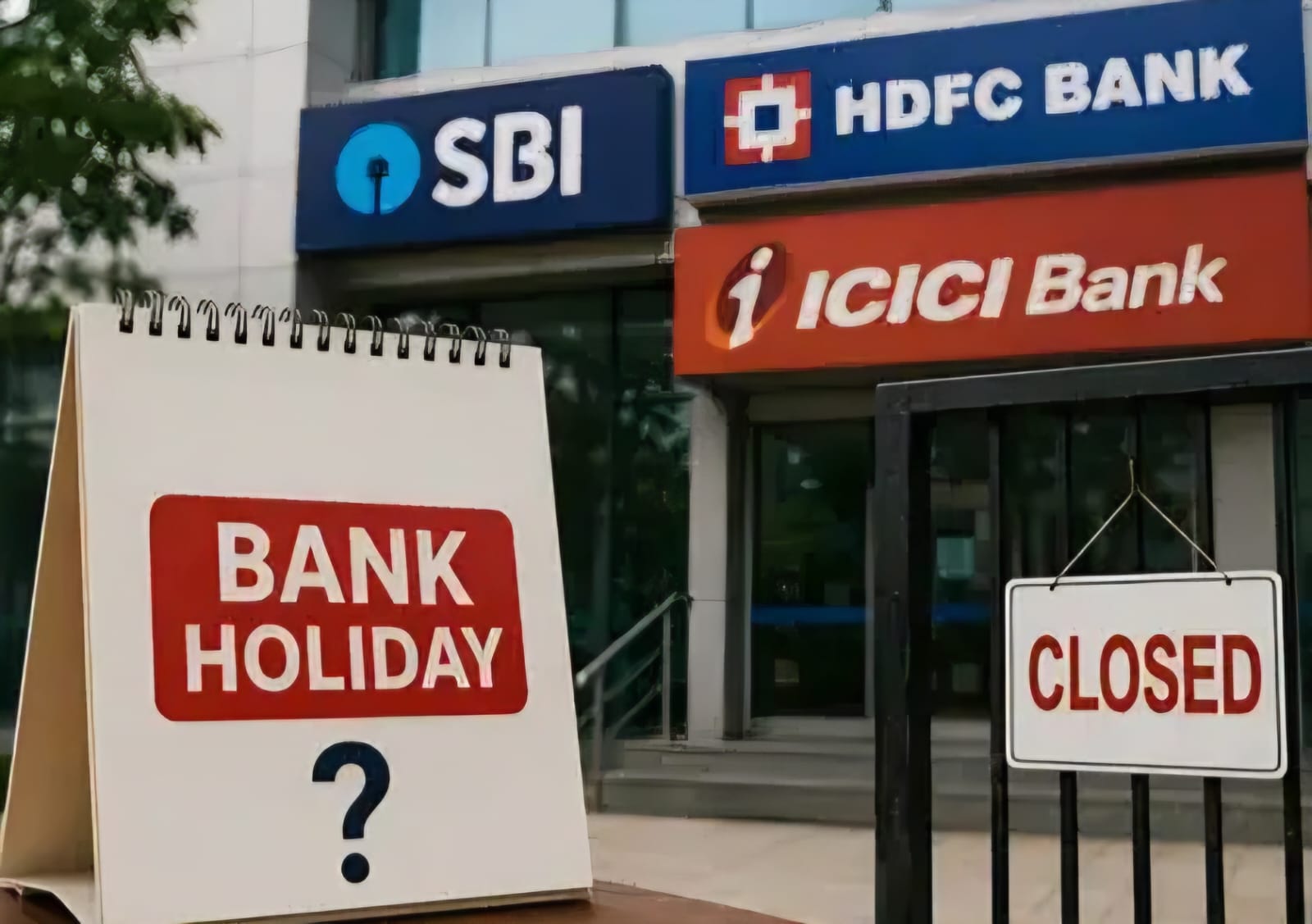
Major Indian lenders including SBI, HDFC, ICICI, and PNB are observing regional branch closures for up to three days between September 7 and September 13, 2026. While physical counter services face temporary suspensions due to local elections and the second Saturday, digital banking and UPI platforms remain fully operational.
Bank Holiday Schedules Impacting Major Lenders Across Regions
Bank branches belonging to major public and private sector institutions—including the State Bank of India (SBI), HDFC Bank, ICICI Bank, and Punjab National Bank (PNB)—are adjusting their operating hours and observing closures for up to three days between September 7 and September 13, 2026. According to official notifications from the Reserve Bank of India (RBI), bank holidays are determined under the guidelines of the Negotiable Instruments Act, creating varying operational statuses depending on state-specific festival calendars and local administrative events. While standard banking channels remain accessible, physical branch access is restricted on designated holidays.
Regional Closures and Administrative Directives
The mid-September schedule features localized closures driven by municipal events and regional observances. For instance, banks in specific jurisdictions like Jaipur are slated to remain closed on Friday, September 11, 2026, due to scheduled Municipal Corporation Elections. Additionally, administrative orders impacting national capital territory offices in connection with upcoming high-level summits dictate local scheduling for public sector institutions. Furthermore, Saturday, September 12, marks the second Saturday of the month—a mandatory bank holiday nationwide—alongside regional observances such as the Tirubhav Tithi of Srimanta Sankardeva in regions like Guwahati.
Official Sources Section
According to official announcements and holiday frameworks published by the Reserve Bank of India (RBI), scheduled bank holidays are categorized by regional office jurisdictions and state notifications. Bank officials stated that digital banking infrastructure will remain fully operational to ensure transactional continuity for customers during days when physical branches are shut.
Why It Matters
Understanding the localized bank holiday timeline helps consumers and commercial entities plan physical branch visits effectively, avoiding wasted trips for documentation, cheque clearances, or locker access. Although physical teller services are paused on holidays, continuous availability of digital banking ecosystems allows retail and corporate customers to execute fund transfers, bill payments, and cash withdrawals without interruption.
Key Facts at a Glance
Scope of Closures: Physical bank branches may remain closed for up to three days this week depending on state-specific and regional holiday calendars.
Affected Lenders: Operations at major institutions such as SBI, HDFC Bank, ICICI Bank, and PNB are subject to these localized adjustments.
Second Saturday Rule: All scheduled and non-scheduled banks across India remain closed on Saturday, September 12, 2026, for the second Saturday holiday.
Digital Continuity: Online banking, mobile apps, ATMs, and UPI channels operate normally throughout all holiday periods.
FAQ Section
Are bank branches closed nationwide on September 11 and 12? No, bank closures are restricted to specific cities and regions observing local elections, administrative orders, or regional festivals, alongside the nationwide second Saturday closure.
Will digital banking services work during these bank holidays? Yes, digital platforms including internet banking, mobile applications, UPI, and ATMs remain fully functional 24/7.
How can customers check if their local branch is open? Account holders can verify city-specific branch working days by reviewing the official Reserve Bank of India holiday calendar or checking their respective bank's portal.
Can physical cheques be deposited on bank holiday dates? Physical cheque drop-boxes at branches are processed on the subsequent working day, though electronic clearing mechanisms operate continuously.
Source: Reserve Bank of India, State Bank of India, ICICI Bank, HDFC Bank, Punjab National Bank