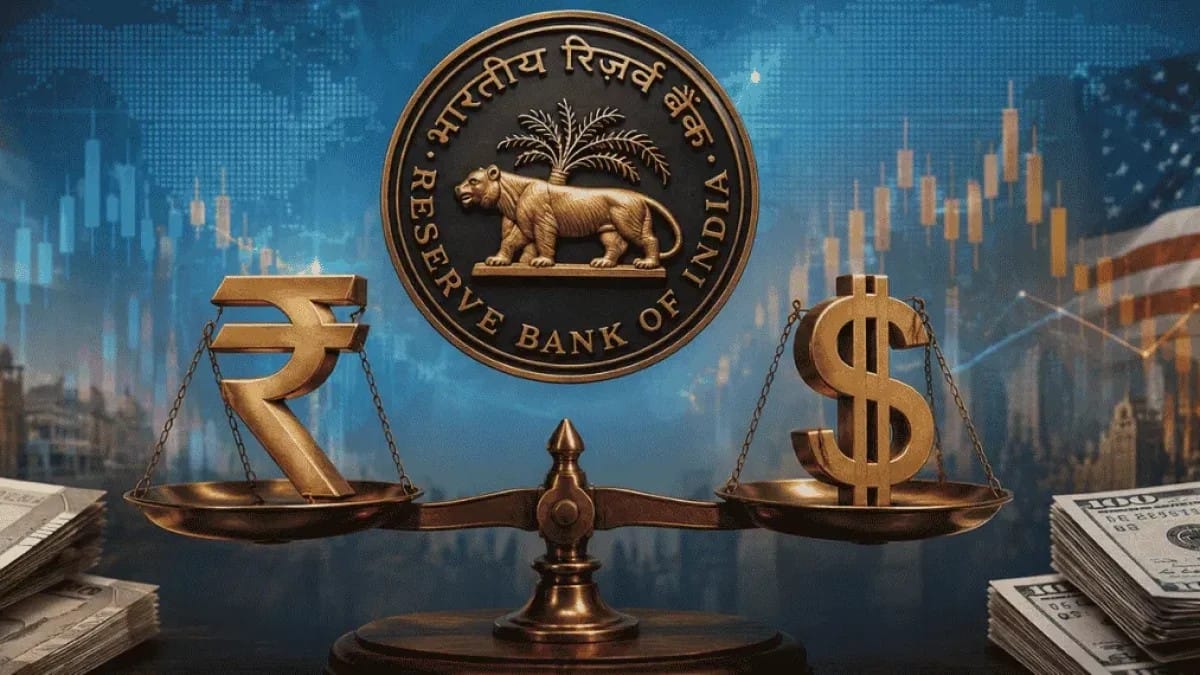
The Indian rupee opened down 0.15% at 95.25 per U.S. dollar on September 10, 2026, slipping from its previous close of 95.1050. The depreciation reflects shifting interbank dynamics, impacting import costs, corporate margins, and foreign exchange market strategies across the domestic financial sector.
Indian Rupee Declines Against U.S. Dollar in Early Trade
The Indian rupee opened lower at 95.25 against the U.S. dollar on September 10, 2026, retreating 0.15 percent from its previous close of 95.1050. According to foreign exchange market data feeds, the currency faced downward pressure during early morning trade amid shifts in regional currency movements and domestic capital flows. The Indian rupee exchange rate remains a critical indicator for international trade, import pricing, and macroeconomic stability across domestic financial markets.
Foreign Exchange Market Dynamics and Currency Pressures
The domestic foreign exchange market experienced cautious trading as participants evaluated evolving global macroeconomic indicators and dollar demand from importers. According to currency analysts, foreign exchange desks closely monitor the Indian rupee valuation as central bank interventions and portfolio flows influence intraday volatility. Currency fluctuations directly impact cross-border transactions, foreign institutional investor allocations, and corporate hedging strategies across major industrial sectors.
Official Sources Section
According to official foreign exchange market reports and electronic interbank trading data platforms, the Indian rupee opening figures for September 10, 2026, were recorded directly from clearing corporation feeds and interbank matching systems. Authorized dealer banks and financial regulators utilize these benchmark exchange valuations to monitor foreign exchange liquidity and manage currency market stability.
Quote Section
According to officials, currency movements reflect ongoing adjustments in international capital flows, import demand for the U.S. dollar, and broader regional macroeconomic conditions.
Why It Matters
For corporate importers, exporters, retail consumers, and foreign investors, fluctuations in the Indian rupee directly influence import costs, inflation trajectories, and overseas remittance values. A weaker rupee increases the cost of dollar-denominated imports such as crude oil and electronics, impacting domestic pricing structures and corporate operating margins.
Key Facts at a Glance
Opening Rate: The Indian rupee opened at 95.25 per U.S. dollar on September 10, 2026.
Previous Close: The local currency closed at 95.1050 against the greenback in the preceding trading session.
Percentage Change: The Indian rupee registered a decline of 0.15% at the open.
Market Impact: Currency depreciation affects import bills, fuel pricing, foreign institutional capital flows, and corporate hedging costs.
FAQ Section
What was the opening exchange rate for the Indian rupee on September 10, 2026? The Indian rupee opened at 95.25 against the U.S. dollar.
How did the currency compare to the previous trading session? The Indian rupee declined by 0.15% from its previous close of 95.1050.
Why do fluctuations in the Indian rupee matter for consumers? Depreciation of the Indian rupee raises the cost of imported goods, including crude oil and electronics, which can influence domestic inflation.
Where can foreign exchange market data be tracked? Real-time exchange rates and interbank trading data are published through electronic trading platforms and official exchange disclosures.
Source: Reserve Bank of India, BSE Limited, National Stock Exchange of India, Reuters