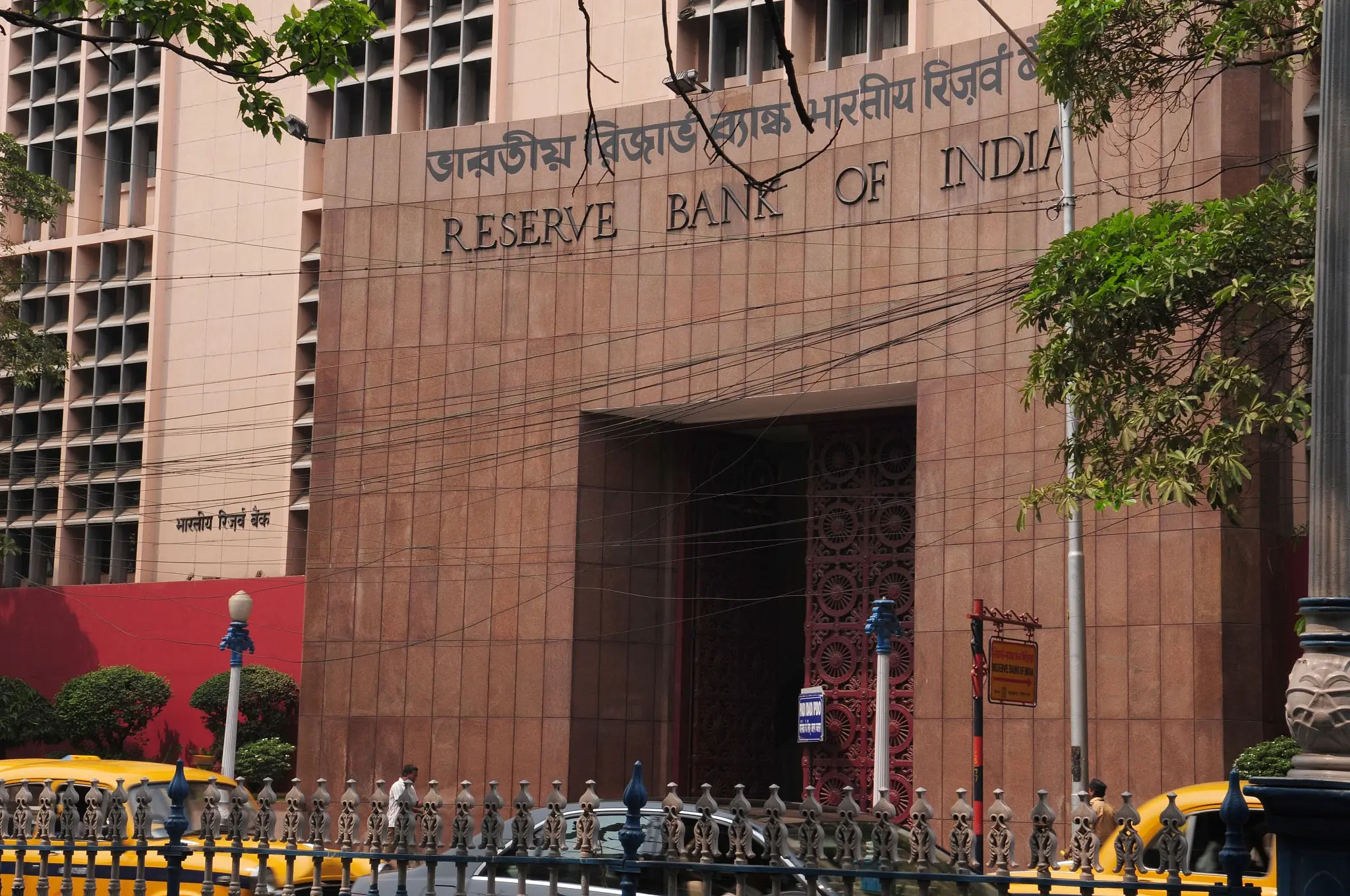
Bank of India reported a global Net Interest Margin (NIM) of 2.52% for Q1. The state-run lender maintained steady retail, agriculture, and MSME credit growth while actively managing deposit costs. Stable operational spreads and improving asset quality helped support overall interest profitability and financial resilience.
MUMBAI — State-run lender Bank of India (BOI.NS) announced that its global net interest margin (NIM) stood at 2.52% for the first quarter of the fiscal year. The announcement, delivered in the bank's regulatory filings from its headquarters in Mumbai, provides critical insights into the institution’s core lending profitability, cost of deposits, and earning efficiency amidst broader macroeconomic shifts in the domestic banking landscape.
Financial Performance Overview
The Bank of India Q1 Net Interest Margin of 2.52% reflects the ongoing recalibration of interest income against deposit costs across its domestic and international branches. Net interest margin serves as a crucial barometer for commercial banks, representing the difference between the interest income generated on advances and the amount of interest paid out to depositors, relative to total interest-earning assets.
According to financial disclosures filed with the National Stock Exchange of India (NSE) and BSE, the bank maintained steady credit growth across retail, agriculture, and MSME (RAM) segments while navigating margin compression stemming from previous deposit repricing cycles.
Credit Expansion and Deposit Dynamics
The bank's latest performance figures indicate sustained momentum in total business volume. Growth in domestic advances was anchored by retail and corporate demand, while global deposit costs were actively managed to mitigate margin pressures.
Banking analysts observe that maintaining a Bank of India Q1 Net Interest Margin at 2.52% aligns with broader industry trends, where Indian public sector banks face higher cost-of-funds environments following prolonged high-rate periods. Bank management pointed to disciplined loan pricing and asset-liability management as core factors stabilizing core interest yields.
Key Operational Highlights:
Advances & Lending Yields: Continued focus on high-yield retail and MSME advances supported interest earnings.
Deposit Base: Strategic alignment in term deposit rates helped control liability costs across global operations.
Asset Quality: Further reductions in non-performing asset (NPA) ratios contributed to lowered provisioning drag.
Official Sources Section
All financial figures, margins, and operational indicators reported in this article are derived directly from official regulatory disclosures submitted by Bank of India to the Bombay Stock Exchange (BSE) and the National Stock Exchange of India (NSE), alongside official earnings call documentation released by the bank's Investor Relations Cell.
Statement on Operations
According to officials, the bank continues to execute its strategy of balancing deposit mobilization with quality credit expansion. Management noted that efforts to optimize the cost of funds remain central to sustaining net interest income in subsequent quarters.
Impact on Investors, Consumers, and Borrowers
The stabilization of the Bank of India Q1 Net Interest Margin carries direct implications for various financial market participants:
For Equity Investors: A predictable global net interest margin trajectory offers clearer visibility into full-year earning potential, supporting valuation metrics for BOI.NS shares on domestic stock exchanges.
For Depositors: Stable margins indicate that the bank has calibrated deposit interest rates to balance competitive customer yields with sustainable operational spreads.
For Borrowers: The bank's margin management strategy suggests calibrated interest rate pricing across consumer loans, home mortgages, and corporate credit lines.
Why It Matters
The Bank of India Q1 Net Interest Margin serves as an essential gauge for India's public sector banking health. As commercial banks balance credit demand against deposit costs, NIM stability highlights operational resilience, effective asset-liability management, and the ability to generate sustainable core banking income without taking on disproportionate risk.
Key Facts at a Glance
Global NIM: Bank of India reported a global net interest margin of 2.52% for the quarter.
Regulatory Reporting: Disclosures filed officially under exchange ticker BOI.NS / BANKINDIA.
Asset Health: Steady asset quality improvements reduced provisioning costs, supporting overall net profitability.
Strategic Focus: Ongoing optimization of deposit repricing and expanding high-yielding RAM loan portfolios.
Frequently Asked Questions (FAQ)
What is Bank of India's Q1 Net Interest Margin?
Bank of India reported a global Net Interest Margin (NIM) of 2.52% for the first quarter.
What does Net Interest Margin (NIM) signify for a bank?
Net Interest Margin measures the difference between the interest income a bank earns on loans and investments and the interest expense it pays to depositors, expressed as a percentage of its total interest-earning assets.
Where is Bank of India traded?
Bank of India is listed on the National Stock Exchange of India (NSE) under the symbol BANKINDIA (BOI.NS) and on the BSE.
How does NIM affect bank stock performance?
A stable or expanding NIM indicates efficient core banking operations and higher interest earnings, which generally supports investor confidence and equity earnings metrics.
Source: Official regulatory disclosures and financial filings submitted to Bank of India and Indian stock exchanges.