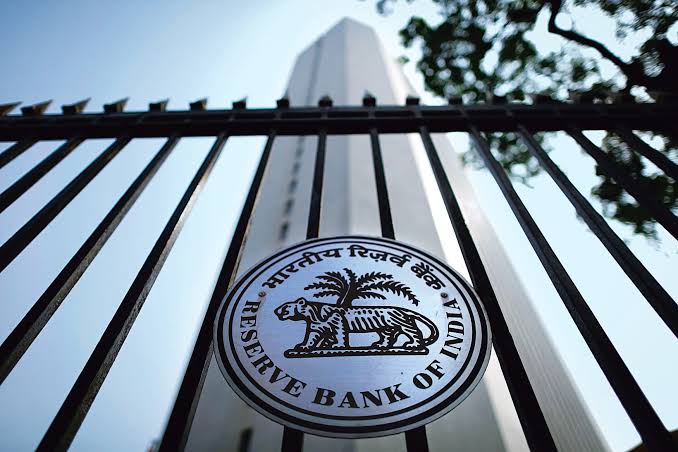
India's banking system surplus liquidity has surged to a four-year high of ₹6.65 lakh crore, driven by strong FCNR(B) deposit inflows and central bank swaps. The massive liquidity flush prompted the RBI to conduct large-scale variable rate reverse repo auctions to stabilize short-term money market rates.
MUMBAI — Surplus liquidity within India’s banking system rose to ₹6.65 trillion, reaching its highest level since April 2022, according to the latest data released by the Reserve Bank of India (RBI).
The sharp expansion in system liquidity was catalyzed by heavy dollar inflows mobilized through Foreign Currency Non-Resident (Bank) [FCNR(B)] deposit schemes and subsequent rupee swaps with the central bank. In response to the liquidity flush, the RBI conducted variable rate reverse repo (VRRR) auctions worth ₹10 trillion to absorb excess funds and keep short-term rates aligned with the monetary policy operating target.
VRRR Auctions and Uneven Distribution Dynamics
The liquidity expansion followed extensive mobilization of foreign currency deposits by domestic commercial banks, with total inflows under the scheme climbing significantly during the recent fortnight. As banks swapped these dollar proceeds with the central bank, rupee liquidity flooded the domestic banking channels.
During the RBI's recent liquidity management operations, banks parked a total of ₹3.74 trillion across multiple VRRR windows. This included ₹1.14 trillion parked at the seven-day VRRR auction against a notified amount of ₹6 trillion, and ₹2.59 trillion placed via the overnight VRRR auction against a notified target of ₹4 trillion. Both auctions settled at a weighted average cut-off rate of 5.24 per cent. Treasury executives noted that liquidity distribution across the sector remained uneven, with surplus funds concentrated primarily among larger lenders while mid-sized and smaller institutions experienced tighter conditions.
According to official RBI data, banking disclosures, and market assessments:
Surplus Milestone: Systemic liquidity touched ₹6.65 trillion, marking a four-year peak.
Primary Catalyst: Strong mobilization and swapping of FCNR(B) deposits.
RBI Intervention: Deployed multi-tranche VRRR auctions offering 5.24 per cent to absorb excess cash.
Operating Rate: Weighted average call rate (WACR) eased slightly to 5.16 per cent, trading below the repo rate.
Official Sources Section
Quote Section
"According to treasury executives and market analysts, the heavy influx of FCNR-driven liquidity has temporarily softened short-term money market rates, prompting the central bank to actively deploy reverse repo auctions to manage surplus cash."
Why It Matters
For corporate borrowers, retail consumers, and money market participants, systemic liquidity surges influence short-term borrowing costs and credit pricing. While excess cash helps maintain smooth credit transmission, uneven distribution requires active central bank intervention via reverse repo operations to prevent volatility in overnight lending rates and preserve monetary policy stability.
Key Facts at a Glance
Liquidity Peak: ₹6.65 trillion recorded.
Operational Benchmark: Highest surplus level since April 19, 2022.
Primary Tool: Variable Rate Reverse Repo (VRRR) auctions at 5.24 per cent.
Market Impact: WACR settled at 5.16 per cent, staying under the policy repo rate.
FAQ Section
What caused the sudden surge in banking system liquidity?
The liquidity expansion was primarily driven by strong capital mobilization through FCNR(B) deposit schemes and subsequent dollar-rupee swaps with the RBI.
How is the Reserve Bank of India managing the excess liquidity?
The RBI has deployed variable rate reverse repo (VRRR) auctions, absorbing trillions of rupees from the banking system to keep short-term rates aligned with its operating target.
Are all banks experiencing the same level of surplus cash?
No, liquidity distribution across the sector remains uneven, with surplus funds heavily concentrated among a few large banks while smaller institutions face tighter liquidity.
Where can analysts review official banking liquidity statements?
Daily and weekly liquidity data updates are published directly through the Reserve Bank of India Portal.
Source: Reserve Bank of India, Press Information Bureau, Business Standard Financial Desk, The Economic Times Banking Bureau