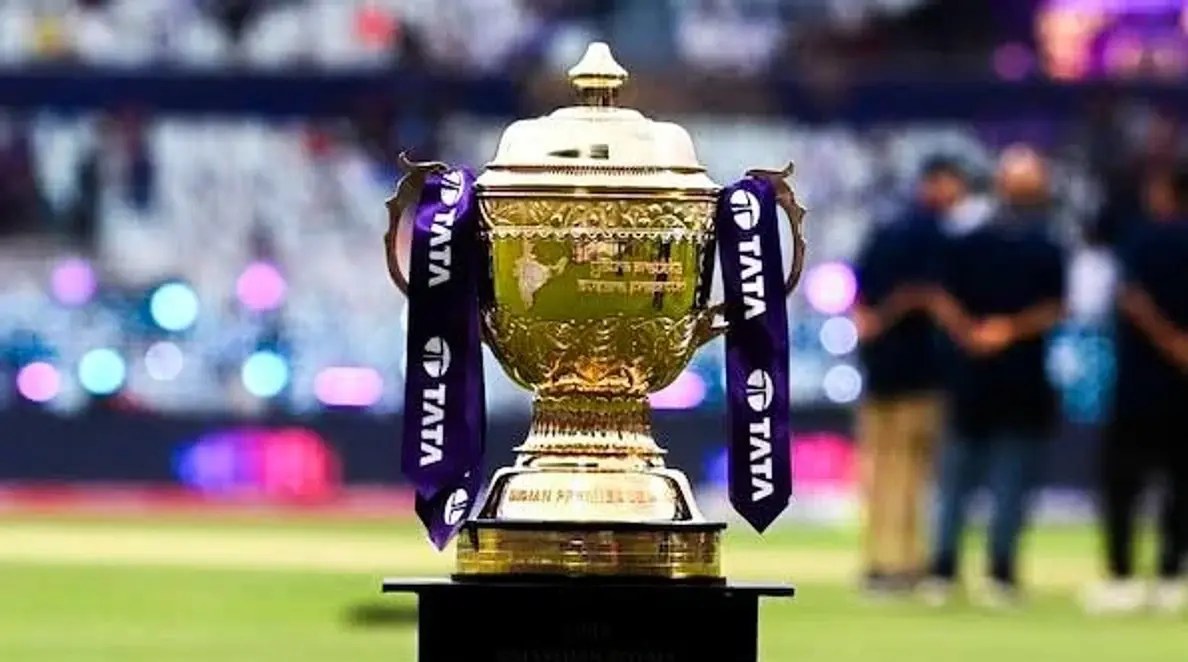
The BCCI is planning to expand the Indian Premier League to a 94-match format by the 2028 season. The change will introduce a full home-and-away schedule for the 10 franchises, requiring a larger two-and-a-half-month window that will likely reduce traditional international bilateral cricket series.
MUMBAI — The Board of Control for Cricket in India (BCCI) is exploring a comprehensive structural overhaul of the international cricket schedule, including an expansion of the Indian Premier League (IPL) to a 94-match format. This proposal, aimed for implementation in the 2028 media rights cycle, could significantly modify the structure of traditional bilateral cricket series as franchise leagues command a larger footprint on the global sports calendar.
The strategy aims to replace the current virtual group system with a complete double round-robin format, ensuring that all 10 participating franchises play each other twice—once at home and once away. However, expanding the scheduling framework beyond the current 74 matches introduces substantial logistical hurdles, particularly regarding weather constraints and the international calendar.
Restructuring the IPL Window
Under the current Future Tours Programme (FTP) managed by the International Cricket Council (ICC), the international bilateral calendar remains formally locked through 2027. The current configuration restricts the IPL to a 60-to-65-day operational window, which concluded its 2026 season on May 31 with Royal Challengers Bengaluru securing the title.
To expand the schedule to 94 matches without overwhelming players or degrading prime-time television metrics, the BCCI is considering alternative timing strategies. One option involves advancing the tournament's commencement from late March to the first week of March, concluding activities by mid-May to avoid conflicts with India's annual monsoon season.
An expansion of this magnitude would require a dedicated two-and-a-half-month window within the post-2027 ICC cycle. This adjustment would necessitate a temporary pause in most international bilateral cricket, requiring formal consensus from global governing bodies and overseas cricket boards.
Impact on Bilateral Cricket and Stakeholders
The proposed expansion reflects a tactical response to evolving viewership trends and broadcaster metrics. Internal data indicates a 15% to 20% decline in engagement during the middle phases of the current format, as audiences navigate complex group-based points tables. Transitioning to a singular, football-style league table is projected to simplify the narrative for fans and stabilize advertising revenue for media rights holders.
The shifting economics of sports broadcasting have also prompted a reevaluation of non-tournament international series. Media partners are noting diminished commercial returns on specific bilateral series, particularly as competing nations establish distinct domestic T20 leagues.
The expansion is poised to affect several core groups across the sporting ecosystem:
Cricket Fans: Audiences gain an intuitive, balanced tournament structure, though they risk experiencing spectator fatigue from an extended schedule.
Broadcasters and Investors: Media companies gain more premium inventory but must balance the total volume of matches against prime-time viewership retention.
International Players: Cricketers face heightened physical demands, potentially restricting their availability for domestic red-ball competitions or national team training camps.
Official Sources Section
The administrative roadmap remains subject to official international negotiations. IPL Chairman Arun Dhumal clarified that while an expansion is the target, the league intends to cap the total number of franchises at 10 to maintain the talent pool and ensure product quality.
"With the given set of teams, only we can go for more number of matches," stated IPL Chairman Arun Dhumal. "So it doesn't make sense as of now to increase the number of teams. Because if we have to have an equal number of home and away matches, from 74 we can go up to 94. That would be the ideal situation."
Addressing the broader context of international tours, a senior BCCI official stated that the commercial viability of international fixtures is shifting.
"We also need to see the feasibility of bilateral series going forward," a BCCI source noted. "Every country has their own league; they are not entirely dependent on hosting the India series. The broadcaster is already not seeing value in some of the bilateral series being played. If cricket has to go the soccer way, all boards need to buy into it."
Why It Matters
The transition toward a 94-match window signals a fundamental shift in the governance and economy of global cricket. If the BCCI secures an extended window in the next ICC cycle, franchise obligations will increasingly take precedence over traditional international tours. This transformation could mirror the structural design of club football, altering how national boards organize player contracts, revenue models, and international windows.
Key Facts at a Glance
Target Size: The tournament plans to expand from 74 matches to a 94-match schedule by 2028.
Format Change: The current virtual groups would be replaced by a complete home-and-away double round-robin format.
Franchise Cap: The total number of teams will remain fixed at 10 to protect the depth of the domestic talent pool.
Calendar Shift: The proposed schedule would require shifting the season launch to early March to conclude before the summer monsoon.
Bilateral Review: Broadcasters are reporting declining commercial value for several standard bilateral international series.
FAQ Section
Why is the BCCI planning to expand the IPL to 94 matches?
The expansion aims to establish a pure league format where all 10 teams play each other twice, once at home and once away. This structure eliminates the confusion of virtual groups and provides a clearer narrative for fans and media partners.
When will the 94-match format take effect?
The structural changes are planned to begin with the next media rights cycle starting in 2028, following the expiration of the current ICC Future Tours Programme in 2027.
How will this expansion affect international cricket?
An extended domestic window will require a two-and-a-half-month pause in international fixtures, likely reducing the number of standalone bilateral series played between nations.
Will more teams be added to the league?
No, the IPL Governing Council has confirmed that the league will remain capped at 10 franchises to maintain high playing standards and avoid diluting available player talent.
Source: Board of Control for Cricket in India (BCCI), International Cricket Council (ICC)