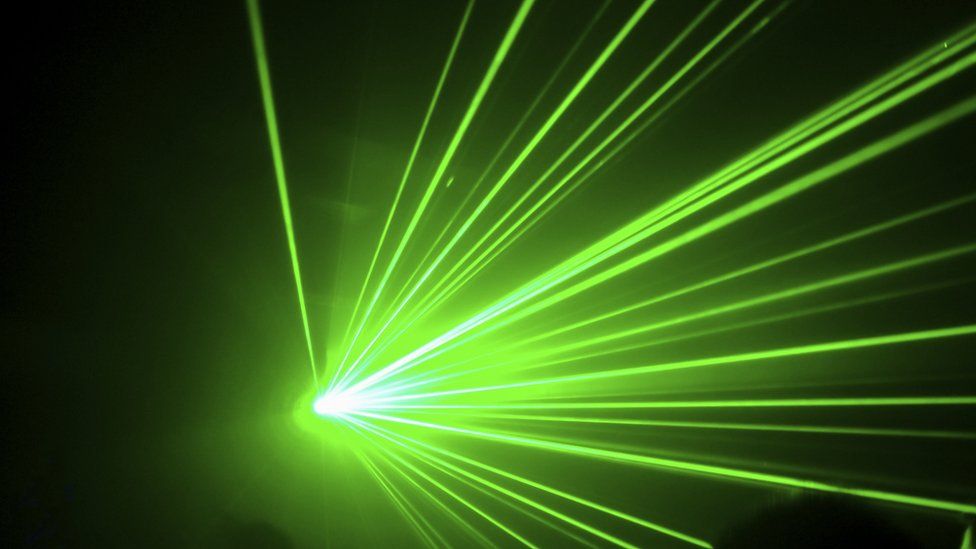
Laser lights are strictly prohibited from being directed at aircraft due to the extreme danger they pose to pilots, including flashblindness and distraction. Authorities now enforce severe penalties, including up to five years in prison and unlimited fines, for anyone who recklessly shines lasers toward airports or flight paths.
Shining lasers at aircraft is a serious criminal offense that can lead to five-year prison sentences and unlimited fines due to the severe safety risks posed to pilots.
LONDON — Aviation authorities are intensifying warnings against the use of laser lights near airports as reports of "laser strikes" on aircraft continue to pose a significant threat to flight safety. While laser displays can be a dazzling addition to public events, the unauthorized use of handheld laser pointers or high-powered light beams in the vicinity of flight paths remains a critical danger, capable of causing temporary blindness, distraction, and catastrophic accidents during high-workload phases like takeoffs and landings.
The dangers of such incidents have prompted stringent global regulations. In the United Kingdom, the Laser Misuse (Vehicles) Act 2018 empowers authorities to prosecute individuals who shine lasers at aircraft, trains, buses, and boats. Offenses now carry a maximum penalty of five years in prison and unlimited fines, reflecting the government's commitment to protecting aircrews and passengers from avoidable hazards.
The Science of the "Laser Strike"
A "laser strike" occurs when a light beam is directed at an aircraft, often hitting the cockpit window. Contrary to the belief that laser pointers are harmless, the beam’s intensity magnifies significantly when it strikes the transparent surface of a cockpit or helicopter bubble.
According to the Federal Aviation Administration (FAA) and the UK Civil Aviation Authority (CAA), the human eye focuses this concentrated light onto the retina, which can cause:
Glare and Flashblindness: Temporary loss of vision, leaving pilots unable to see navigation tools or the runway.
Distraction: Diverting a pilot’s attention during critical maneuvers, increasing the risk of human error.
Retinal Damage: While permanent vision loss from handheld pointers is rare, the sudden flash can startle crews and incapacitate them during flight.
Regulation and Event Safety
Not all laser lights are banned; however, those used in professional entertainment must undergo rigorous risk assessments. Duty holders, including event organizers and venue managers, are legally required to ensure that high-powered beams are projected away from flight paths.
The CAA mandates that any outdoor event involving hazardous laser displays must be coordinated through the Airspace Regulation department. Organizers are often required to file a Notice to Airmen (NOTAM) to alert pilots to the presence of directed light. Failure to follow these protocols or to keep beams away from aircraft can lead to prosecution for "endangering the safety of an aircraft," a serious criminal charge under the Air Navigation Order.
Why It Matters
A laser attack is more than just a nuisance; it is a direct threat to public safety. For pilots—especially those operating emergency helicopters or commercial airliners—a split-second distraction during an approach can have fatal consequences. As laser technology becomes more affordable and accessible, the need for public awareness regarding the legal and physical risks of "sky-pointing" has never been more urgent.
Key Facts at a Glance
Criminal Offense: Shining lasers at aircraft is illegal and can result in up to 5 years of imprisonment.
Financial Impact: Perpetrators face unlimited fines for endangering the safety of aircrews.
Public Safety: Laser beams can cause temporary flashblindness, rendering pilots temporarily unfit to fly.
Regulatory Compliance: Professional light displays must be pre-authorized and filed via NOTAM to avoid interfering with flight paths.
FAQ
Why are laser lights dangerous to pilots?
Lasers can dazzle, distract, or cause temporary flashblindness. When a beam hits a cockpit, it can fill the cabin with intense light, making it difficult for the pilot to see instruments or the runway.
Is it illegal to use a laser pointer in my backyard?
It is not illegal to own a laser, but it is illegal to aim it at or near an aircraft. The law does not always require proof of intent; even reckless or negligent behavior that endangers an aircraft can lead to prosecution.
What should I do if I see someone pointing a laser at a plane?
If you observe someone targeting an aircraft, contact your local law enforcement immediately. Authorities use specialized equipment, such as Laser Event Recorders, to track the origin of the beam and apprehend suspects.
Source: UK Civil Aviation Authority, FBI, UK Parliament