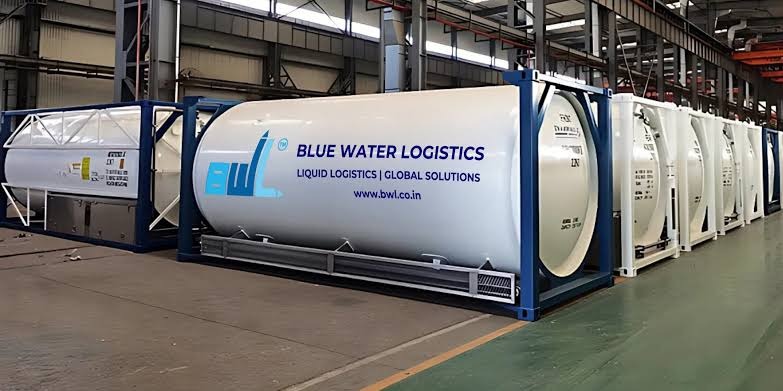
Blue Water Logistics has launched its NVOCC operations with an initial fleet of up to 2,000 dry container boxes on September 10, 2026. This strategic deployment enhances equipment control, guarantees cargo space allocations, and strengthens multimodal supply chain services for international shippers navigating volatile global trade lanes.
Global transport provider Blue Water Logistics deploys a new fleet of dry containers to strengthen its independent ocean freight services.
Blue Water Logistics announced the official commencement of its Non-Vessel Operating Common Carrier (NVOCC) operations on September 10, 2026, backed by an initial fleet deployment of up to 2,000 dry container boxes. Headquartered in Esbjerg, Denmark, the global transport and logistics provider is scaling its proprietary asset pool to secure reliable equipment availability for shippers navigating volatile maritime supply chains. The strategic expansion allows the company to exert greater operational control over container flows, streamline ocean freight forwarding, and offer enhanced schedule reliability to international commercial clients.
Expanding Maritime Capacity and Control
The rollout of the NVOCC division addresses persistent equipment shortages and container repositioning hurdles that have historically impacted global supply chains. According to corporate announcements released by Blue Water Logistics, the newly acquired 2,000 dry container units will be strategically positioned across primary trade lanes connecting Europe, Asia, and the Middle East.
By managing its own dedicated box fleet, the company bypasses traditional reliance on carrier-owned equipment pools, thereby safeguarding cargo space allocations for key industrial accounts. Industry analysts note that operating an independent NVOCC infrastructure grants freight forwarders greater flexibility to negotiate competitive slot rates with major container shipping lines while maintaining direct custody of customer consignments.
Impact on Shippers and Global Supply Chains
For commercial shippers, manufacturers, and international logistics managers, the introduction of dedicated forwarder-owned containers provides a vital buffer against sudden freight rate spikes and equipment crunches. Blue Water Logistics executives indicated that the deployment supports ongoing efforts to scale door-to-door multimodal solutions combining maritime transport with inland rail and trucking networks.
According to official corporate statements, the NVOCC expansion forms a core pillar of the company's multi-year growth strategy aimed at deepening vertical integration across energy, wind logistics, and general cargo sectors. Supply chain consultants emphasize that forwarders investing in proprietary box fleets are increasingly well-positioned to capture market share by offering guaranteed equipment access in high-demand trade corridors.
Key Facts at a Glance
Initiative: Launch of dedicated Non-Vessel Operating Common Carrier (NVOCC) operations.
Fleet Deployment: Initial rollout of up to 2,000 dry container boxes.
Target Corridors: Strategic trade routes linking Europe, Asia, and key global markets.
Strategic Objective: Enhancing equipment availability and control over ocean freight services.
Frequently Asked Questions
What did Blue Water Logistics launch? The company officially commenced its NVOCC operations with a dedicated container fleet.
How many containers are included in the initial fleet? The rollout features an initial deployment of up to 2,000 dry container boxes.
Why is an NVOCC fleet beneficial for shippers? It provides independent equipment availability, shielding cargo owners from carrier shortages and slot allocation bottlenecks.
Where can official updates regarding the expansion be found? Corporate statements and service details are available via Blue Water Logistics and international maritime trade portals like Lloyd's List.
Source: Blue Water Logistics Official Site, Lloyd's List Maritime Intelligence, The Loadstar Transport News