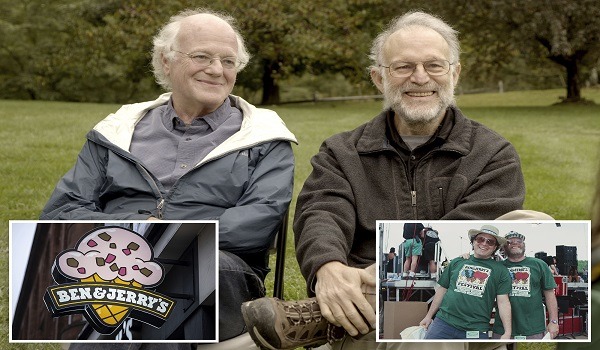
In a surprising development shaking the consumer goods sector, Jerry Greenfield, the co-founder of iconic ice cream brand Ben & Jerry’s, has stepped down amid growing tensions with parent company Unilever. Citing an erosion of the brand’s independence and its social mission being...
In a surprising development shaking the consumer goods sector, Jerry Greenfield, the co-founder of iconic ice cream brand Ben & Jerry’s, has stepped down amid growing tensions with parent company Unilever. Citing an erosion of the brand’s independence and its social mission being “silenced,” Greenfield’s resignation follows a prolonged dispute around the brand’s ability to freely advocate for its progressive values under Unilever’s ownership. This move highlights significant friction within one of the world’s most admired socially responsible brands.
Key Highlights of The Controversy and Resignation
Jerry Greenfield resigned after nearly five decades with Ben & Jerry’s, following long-running conflicts with Unilever over the brand’s social activism and governance.
The dispute centers on Unilever’s alleged efforts to restrain Ben & Jerry’s independent board from voicing opinions on political and social issues, including statements on international conflicts.
Former CEO David Stever was reportedly ousted over similar tensions connected to the company’s activism, escalating the conflict further.
The co-founders have publicly called for Ben & Jerry’s to be spun off from Unilever, arguing the brand’s mission is being compromised by corporate pressures.
Legal battles, including lawsuits filed by Ben & Jerry’s independent board, accuse Unilever of violating merger agreements designed to preserve brand integrity and social mission independence.
The Social Mission At Risk?
Ben & Jerry’s, since its inception in 1978, has been a pioneer in embedding social causes such as racial justice, climate change, and human rights into its brand DNA. The founders and their independent board have maintained a robust stance on progressive activism, including controversial issues like the Israeli-Palestinian conflict.
Under Unilever’s stewardship since 2000, Ben & Jerry’s initially enjoyed operational independence. However, recent years have seen increased corporate intervention, especially on contentious issues where Unilever’s global interests are perceived to conflict with the brand’s outspoken advocacy.
What Sparked The Fallout?
In 2021, Ben & Jerry’s decision to cease sales in Israeli-occupied Palestinian territories ignited legal and political backlash from Unilever and others.
Unilever’s sale of its rights to its Israeli operations, circumventing the independent board’s objections, was seen as a breach of agreements.
Social media posts supporting peace initiatives and humanitarian causes were reportedly blocked by Unilever executives, intensifying internal conflicts.
The ousting of CEO Stever in early 2025 was perceived by Ben & Jerry’s faction as retaliation for his commitment to the brand’s social mission.
Recent public statements by the founders demand greater autonomy or total separation from Unilever to safeguard the brand’s distinct identity.
Implications For The Brand And Market
Greenfield’s departure signals a critical juncture for Ben & Jerry’s, raising questions about the future of its activist ethos and operational independence under a multinational conglomerate. There is considerable public and stakeholder sympathy for preserving the brand’s legacy, but practical governance realities create a complex challenge.
For Unilever, Ben & Jerry’s remains a valuable asset within its ice cream portfolio. The parent company insists it continues to support the brand’s social mission, despite insisting on alignment with broader corporate strategy and risk management. Unilever is currently restructuring its ice cream division, which includes Ben & Jerry’s, possibly increasing complexities ahead.
What Lies Ahead?
Potential for further legal disputes as Ben & Jerry’s independent board seeks judicial reinforcement of its rights.
Possible market reactions, including investor scrutiny of Unilever’s handling of one of its most socially visible brands.
Consumer advocacy and brand loyalty may become pivotal factors influencing the brand’s direction.
The outcome may set precedents on balancing corporate ownership and brand activism in global markets.
Closing Thoughts
Jerry Greenfield’s exit, after nearly half a century, marks the end of an era and underscores the tension between corporate interests and brand missions grounded in social activism. The unfolding saga of Ben & Jerry’s and Unilever will be closely watched as it reflects broader debates on brand identity, ownership, and activism in the modern marketplace.
Sources: Financial Times, MarketScreener, NPR, Reuters, Wall Street Journal, Marketing Week