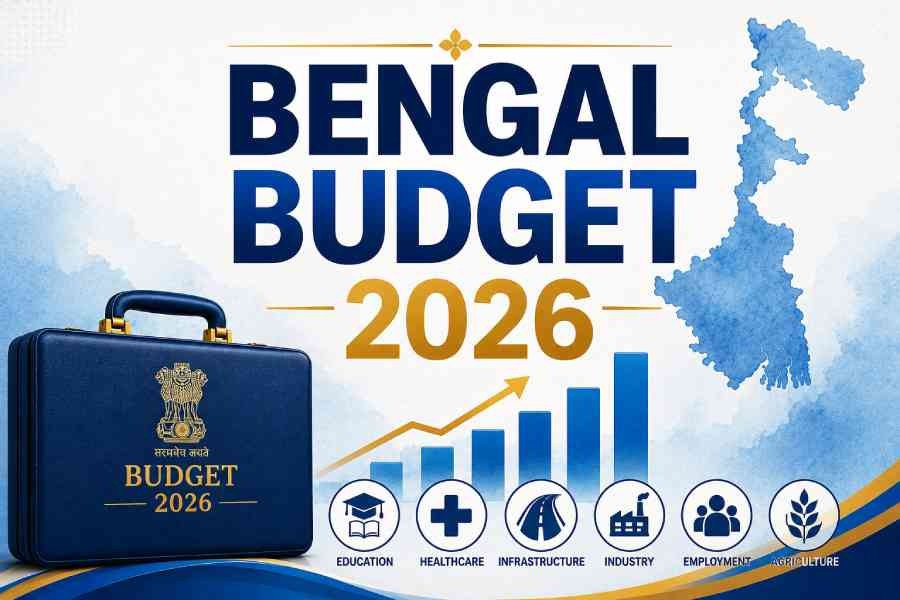
This economic briefing examines West Bengal's first state budget under the BJP-led double-engine administration presented by Finance Minister Swapan Dasgupta. The analysis details the challenge of managing a ₹7.8 lakh crore debt burden while utilizing ₹48,200 crore in fresh central funding to transition from consumption welfare toward industrial growth and asset creation.
KOLKATA — The West Bengal Legislative Assembly is the focus of nationwide attention today, June 22, 2026, as Finance Minister Swapan Dasgupta prepares to present the state's first budget under the newly formed Bharatiya Janata Party (BJP) administration. Scheduled for delivery at 12:00 PM, the fiscal layout is highly anticipated as the definitive roadmap for the state's new "double-engine government" a term denoting aligned governance at both the state and federal levels.
The presentation represents a major structural shift for West Bengal's economy. Chief Minister Suvendu Adhikari has characterized this maiden budget as "worth watching," promising a transition from pure consumption-based welfare toward long-term development economics, industrial revival, and large-scale employment generation.
Navigating a Challenging Debt Legacy
The primary structural hurdle facing the new finance minister is the state's severe debt servicing obligations. According to official data from the state treasury, the previous administration left behind an accumulated debt burden of approximately ₹7.8 lakh crore.
During the 2025-26 fiscal year, the state had to allocate ₹82,000 crore strictly toward debt servicing, with ₹49,000 crore spent entirely on interest payments. Because the state's own tax revenue stood at ₹1,12,543 crore, nearly 75% of its independent internal collections were absorbed by historical debt costs. Consequently, Finance Minister Dasgupta has publicly criticized past spending patterns, stating that his team will not formulate a budget "standing on a treadmill," pointing to an immediate need for strict fiscal discipline.
Shifting From Welfare to Development Economics
The corporate sector and trade bodies including the Merchant Chamber of Commerce and the Bharat Chamber of Commerce are closely monitoring the session for a brand-new industrial policy. Under the previous regime, state spending leaned heavily toward cash transfer programs, which economists argue left little capital for asset creation.
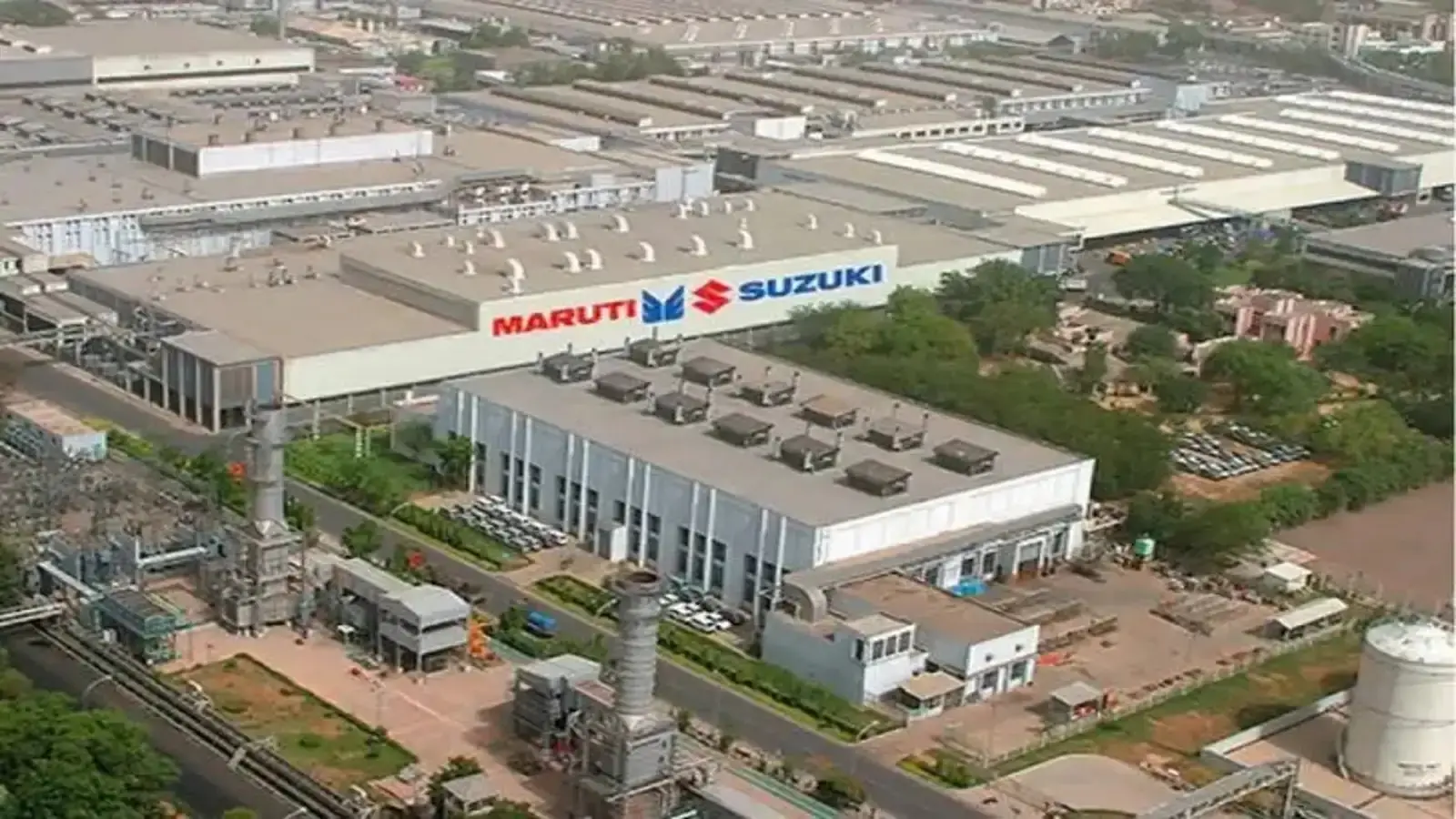
The new administration is looking to reverse this trend by establishing a growth-oriented, stable framework to attract institutional investments. Chief Minister Adhikari has stated that the state will implement a "three-pronged policy" aimed at boosting employment through governance transparency, connecting small-and-medium enterprises (MSMEs) with formal banking credit lines, and drawing heavy manufacturing industries back to the region. Prominently, the administration has signaled a renewed effort to bring major business houses, such as Tata Motors, back to West Bengal to restore investor confidence.
Integrating Central Schemes to Relieve the State Exchequer
A distinct advantage of the double-engine alignment is the rapid release of pending federal development funds, which helps lower the immediate spending pressure on the state's internal exchequer. Within its initial weeks in office, the new administration secured central sanctions for infrastructure schemes totaling over ₹48,200 crore.
This includes a ₹39,000 crore agreement under the national Jal Jeevan Mission alongside hundreds of crores transferred to settle outstanding Mahatma Gandhi National Rural Employment Guarantee Act (MNREGA) wage portfolios. Furthermore, the state has commenced the full integration of its residents into the federal Ayushman Bharat health insurance model and the Prime Minister Surya Ghar rooftop solar program, shifting part of the state's traditional social sector costs directly onto central budgetary lines.
Official Sources Section
The baseline debt metrics, revenue projections, interest outlays, and central grant figures detailed in this financial brief are compiled from official compliance disclosures from the West Bengal Finance Department, public statements from Finance Minister Swapan Dasgupta, and statutory data sheets archived by the Reserve Bank of India. Central funding allocations have been verified through updates released by the Ministry of Finance, Government of India.
Quote Section
Addressing the structural approach taken to balance immediate public expectations with severe fiscal limitations, the leadership clarified its planning methodology:
"According to officials at the state planning boards, the administration is focusing heavily on expanding internal revenue collection mechanisms to build a self-sustaining economy, moving away from historical short-term loan packages to fund regular operational expenses."
Why It Matters
For everyday citizens, local businesses, and national market investors, the West Bengal Budget 2026 represents a critical test of how effectively a state can transition away from long-term fiscal stress. If the administration successfully lowers its debt-to-GSDP ratios while setting up a business-friendly environment, it will create stable corporate jobs, lower internal energy costs for local manufacturing plants, and ensure a highly predictable financial landscape for major infrastructural projects across the eastern region.
Key Facts at a Glance
The Fiscal Transition: West Bengal presents its maiden state budget under the newly elected BJP-led administration.
The Debt Mountain: The new finance team inherits a massive structural debt liability of ₹7.8 lakh crore.
Servicing Pressures: Interest and principal payments absorbed nearly 75% of the state's independent tax revenues in the prior cycle.
Federal Inflow Boost: Aligned governance has unlocked over ₹48,200 crore in centrally assisted infrastructure and rural water schemes.
Industrial Reorientation: The budget is widely expected to debut a new, long-term industrial policy to attract big-ticket corporate investments.
FAQ Section
What does a "double-engine government" mean for West Bengal's budget?
The term describes an arrangement where the same political coalition holds power at both the central government in New Delhi and the state level in Kolkata. This alignment typically reduces administrative friction, allowing central development grants and welfare funds to be approved and distributed much faster.
How does the state's inherited debt affect its daily public spending?
Because roughly ₹82,000 crore is directed annually toward servicing historical liabilities, a large portion of incoming revenue is locked up before it can reach active public development. The new government must find ways to increase internal revenue to fund fresh projects without taking on excessive high-interest debt.
Will the new budget eliminate existing state social welfare schemes?
The administration is not seeking to eliminate public support systems; rather, it is reorienting them to integrate directly with national programs like Ayushman Bharat. This integration helps reduce the financial burden on the state's independent treasury while preserving necessary safety nets for qualifying citizens.
Source: Official Budget Speech Drafts from the West Bengal Finance Department, legislative transcripts from the West Bengal Assembly, and operational logs from the Ministry of Finance.